What Accounting Firms Need From a VoIP Phone System
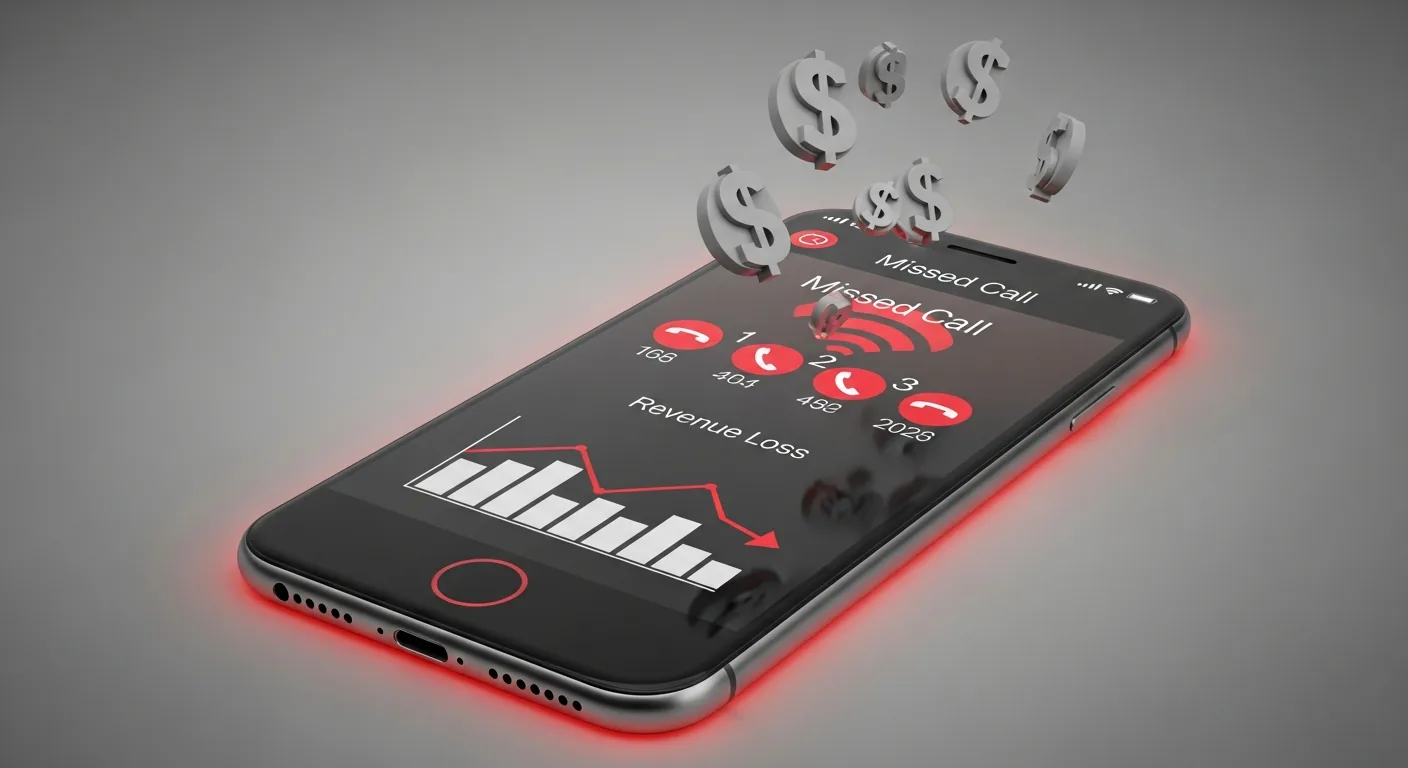
A VoIP phone system for an accounting firm gets graded on about eleven weeks of the year. From late January through the April deadline your call volume does something no other business quite experiences, and the system that felt perfectly adequate in September starts dropping people into voicemail at 2pm on a Tuesday. Everything else in the evaluation is secondary to that one question: what happens in February?
Most vendor conversations never get there. So let's start there.
February is the spec sheet
Off-season, an accounting firm's phone is a quiet thing. Then the W-2s land, the organizers go out, and suddenly you have clients calling about a missing 1099, clients calling to ask if you got the shoebox, clients calling because they got an IRS notice and are convinced it's an audit. Your three-person front desk is now handling the call volume of a business three times your size.
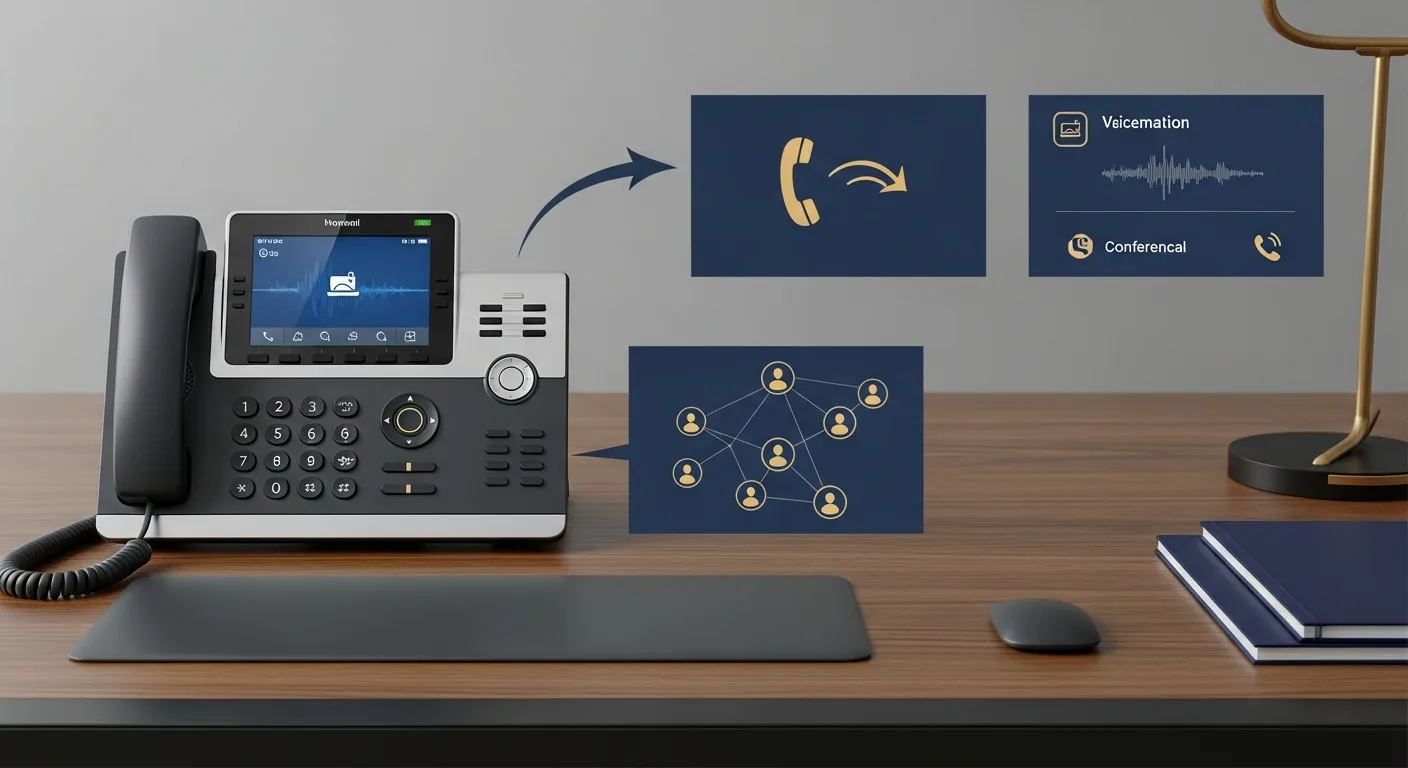
A traditional phone system meets that spike with the same number of lines it had in November. VoIP meets it by adding capacity from a browser tab, which is the actual argument for the technology in this industry. Extra seats for a seasonal hire in ten minutes. Overflow routing when the queue backs up. A queue message that tells people where they stand instead of dumping them.
This is exactly the problem tax season scaling is built for: capacity that follows the calendar instead of a twelve-month contract.
The phone tree is where firms lose clients without noticing
Here's the uncomfortable part. Most firms have never called their own main number from an outside phone and listened all the way through. Do it this week. Time it. Count the button presses.
A good tree for an accounting practice is shallow and specific. Existing client with a document question goes one way, new inquiry goes another, payroll goes a third, and a human is reachable at every level. What kills firms is the four-layer menu built in 2019 by somebody who no longer works there, still routing an option to an extension that belongs to a preparer who retired.
Seasonal routing rules are the part worth paying for. In March, every new-client call should go to whoever handles intake, immediately, because a new client in March is a client for the next decade. In July, calls can go straight to individual preparers. Same system, two different personalities.
Voicemail transcription earns its keep in March
Your team is buried. Nobody has fifteen minutes to work through a voicemail box message by message, writing down numbers.
Transcription turns that into a scannable list. Message from a client about a missing K-1, message from a bank, message from somebody's cousin who needs a return done by Friday. You triage in ninety seconds instead of twenty minutes, and the callbacks go out in priority order instead of in the order the messages arrived.
Recording, and the argument you'll have in October
Every accounting firm eventually has a conversation about what was promised. A client insists they told you about the rental property. You're fairly sure they didn't. Six months have gone by and everyone believes their own version.
A recording ends it. It also makes staff training possible, because the fastest way to teach a new hire how to handle "why do I owe this much" is to let them hear somebody good do it four times. Set retention rules deliberately, keep storage encrypted, and turn on automatic disclosure so consent is handled by the system rather than by a person remembering.
Security isn't a separate conversation from the phones
Your firm holds Social Security numbers, bank details, and full income histories. Some of that gets spoken aloud on calls, recorded, transcribed, and stored. Which makes your phone system part of your security posture whether your written information security plan mentions it or not.
The FTC Safeguards Rule and IRS Publication 4557 don't carve out an exception for voice. So ask the provider the same questions you'd ask a document vendor. Encrypted calls, TLS and SRTP. Encrypted storage for recordings and voicemail. Role-based access, so the seasonal hire answering phones can't pull up every recorded call in the system. Get answers before the contract, not after.
The screen that knows who is calling
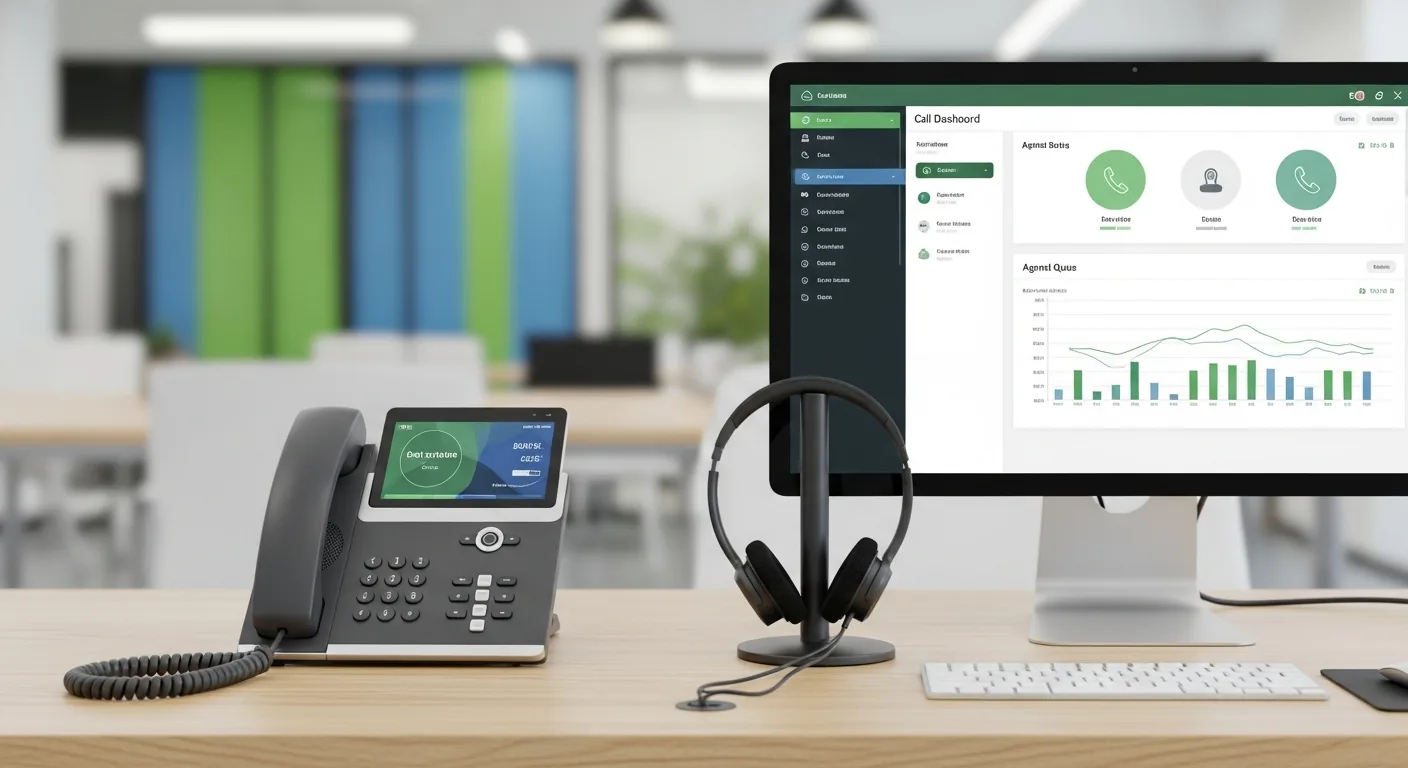
Integration with your practice management or CRM system is the feature that stops sounding minor around the second week of February. A client calls, and before anyone says hello the screen shows the name, the entity, the return in progress, and the fact that somebody already emailed them about the missing 1099 on Monday.
Without it, every call starts with a small excavation. Who is this, what are we doing for them, has anyone talked to them recently. Thirty seconds each time, plus the odds that the preparer picking up says something that contradicts what a colleague said yesterday.
Ask specifically whether the connection to Karbon, Canopy, QuickBooks, or whatever you run is native or requires a middleware subscription somebody has to babysit. Those are different products with the same word on the brochure, and only one of them still works in eighteen months when nobody remembers who set it up.
Yes, the fax thing
Banks still fax. The IRS still faxes. There is a client, somewhere in every firm's book, who will fax you until the end of time.
Fax over IP handles it without a physical machine, a dedicated copper line, or the ritual of somebody walking down the hall to see if the confirmation printed. It's the least modern feature on this list and one of the most quietly useful.
The after-hours plan you probably don't have
During filing season, your clients work on your problem after they finish their own workday. That means the phone rings at 6:40pm, and what happens next is a business decision most firms have made by accident.
A voicemail box that says the office is closed is a decision. It's just a bad one during the only weeks of the year when new clients are shopping. There are better options, from an AI answering layer to a rotating on-call forward, and the tradeoffs are laid out in the piece on after-hours call handling.
Doing the math at your actual size
Per-user pricing makes VoIP look like a subscription rather than an infrastructure purchase, which is the honest way to think about it. Call it a monthly fee per seat and no PBX box in a closet you have to cool.
The math that matters isn't the phone bill though. Take a firm of eight. If a better routing setup captures three new client calls a season that used to go to voicemail, and your average engagement is worth what a small business return is worth, the system paid for itself before the March deadline. Everything after that is margin. (Run those numbers with your own average client value, not a vendor's slide.)
Picking one, and then switching
Two more things worth reading before you sign anything. The full evaluation checklist, uptime guarantees and support commitments included, is in the piece on what to look for in a business phone system. And if the thing stopping you is dread about the switchover, the step-by-step is in moving your phone system to the cloud. Porting numbers typically runs 7 to 14 days, and it happens in the background while your old system keeps ringing.
Do it in June. Not in January. The firms that migrate during filing season have a bad story to tell afterward, every time.
For the complete picture of how these systems fit a professional practice, start with our guide to business phone systems.