How to Stop After-Hours Calls From Turning Into Lost Business
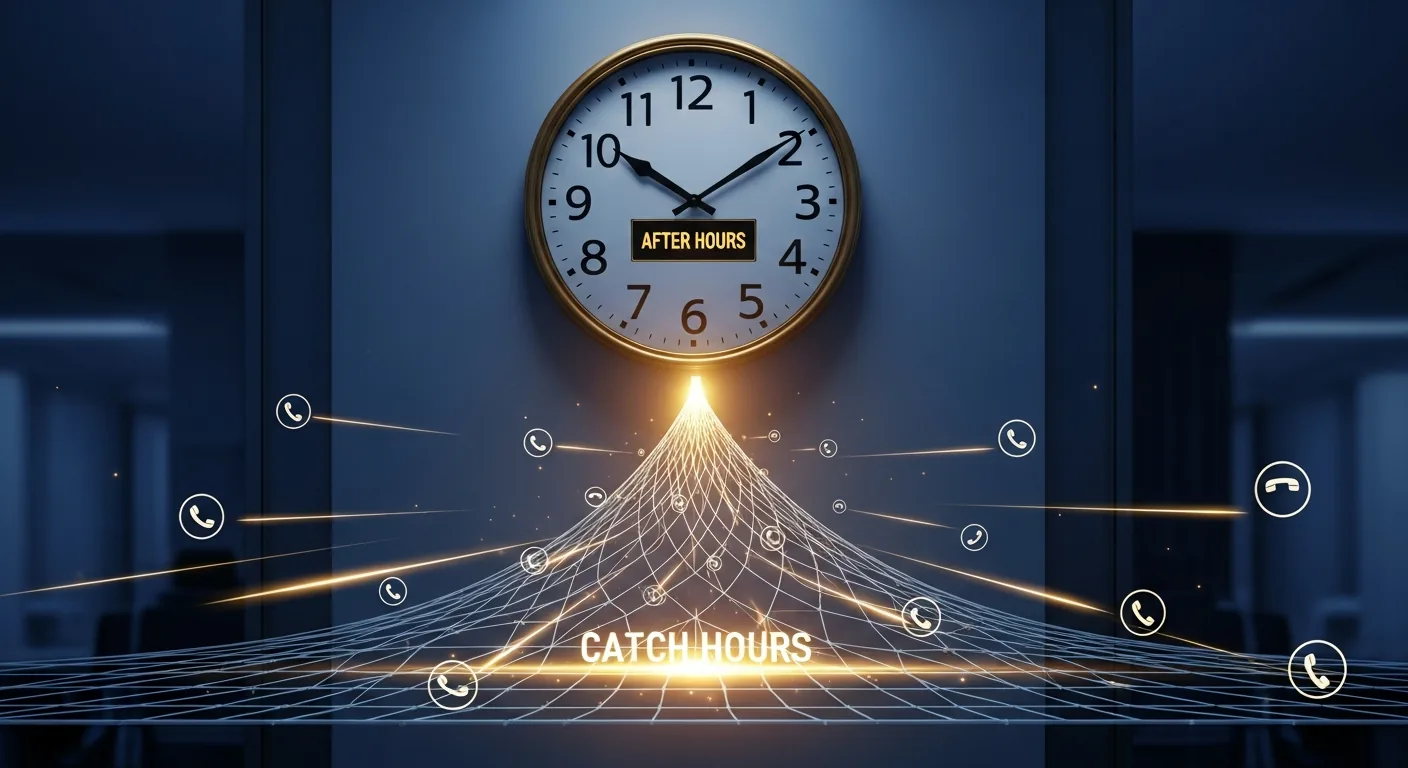
After-hours call handling is where small firms quietly lose their highest-intent prospects, because the person calling at 7pm has already made the decision your marketing spent months trying to produce. They've stopped researching. They want to talk to somebody. Whether that somebody is your firm depends entirely on what your phone does at 7pm, and in most firms what it does is play a greeting recorded in 2019.
The good news is this is one of the cheapest problems in professional services to fix.
Who calls after five
Not tire-kickers. That's the thing firms get wrong about evening calls.
The evening caller is someone who spent the day working, dealing with their kids, and putting off the problem. Now the house is quiet and the letter is still on the counter. A person in that state isn't comparison shopping across nine firms. They're calling until somebody picks up.
For law firms handling family matters, criminal defense, or anything urgent, evening calls skew toward people who genuinely can't wait until tomorrow. For accounting firms, the pattern is calendar-driven rather than emotional, but the intent is just as high.
March makes it acute
Here's a shape that repeats every filing season, at firm after firm, and it explains why after-hours coverage matters more to accounting practices than the annual call volume suggests.
Somewhere in the first half of March, a business owner sits down at 6:15pm with a stack of paperwork and finally accepts that this year isn't a do-it-yourself year. They search, they find three firms, they call the first one. It rings four times and a voicemail greeting explains the office hours, which they can also read on the website they're currently looking at. They don't leave a message. They dial the second firm from the same list, thirty seconds later, and if a human or something convincingly close answers, the conversation happens and the engagement is effectively decided before either party knows it.
The firms that answered in March pick up clients they never advertised for. The firms that didn't never learn the call happened, because tax season callers do not leave messages. They're in a hurry by definition. It's March, and the deadline is the only thing anyone is thinking about.
What makes this expensive rather than merely unfortunate is the timing. The client acquired in March is the client whose return you'll prepare for the next decade, plus the payroll question in June and the entity question in September and the referral to their brother in law. Missing a call on a random Tuesday in August costs you one engagement. Missing it during the first two weeks of March costs a relationship, and the marketing spend that would be needed to replace it. Firms that stay in front of prospects year-round through something like client nurture email automation still lose these calls if the phone doesn't answer at the moment the nurturing finally works. The whole funnel comes down to a ring at 6:15.
Voicemail as a business decision
Voicemail is a decision, and firms make it by default rather than on purpose. It says: if this is important, do more work.
Most callers won't. And even when someone does leave a message, look at the timeline the message creates. It sits until 8:30am. Somebody checks the box at nine, works through it, and calls back at ten. That's fifteen or sixteen hours after the caller decided to act, and in that window they had their whole next morning to call someone else.
A greeting that says the office is closed and to call back during business hours is a completed sentence with an unfortunate meaning.
Software that never goes home
The most cost-effective fix for most small firms is software that picks up on the first ring at any hour, says the firm's name, asks what's going on, takes a name and a callback number, and texts your intake person a summary.
It doesn't have to be brilliant. It has to beat a beep, which is a low bar it clears easily. The details of what these systems can and can't do are covered in how AI receptionists capture leads, and the comparison against human alternatives is in live receptionist versus AI receptionist.
When a person is worth the premium
If your practice area means callers arrive distressed, a human answering after hours is worth the premium. Live services bill by the minute or the call, employ trained operators, and can transfer genuinely urgent matters to whoever is on call.
They're the right choice when the emotional register of the call matters as much as the information. They're the wrong choice when your evening volume is high and routine, because per-minute billing scales in the direction you don't want.
Forwarding to a human, with guardrails
Some firms rotate an on-call person and forward evening calls to their mobile. This gets a knowledgeable human on the line, which is the best possible outcome for the caller.
It's also how people burn out, so put rules around it before you start. Rotate genuinely, not just to whoever says yes. Forward only calls that meet criteria, typically new inquiries, and let everything else land on the answering layer. Set an end time, because a call at 11pm should go somewhere else. And whoever takes the call gets to hand it off in the morning rather than owning it forever.
The messages have to reach a person, not a building
Whatever picks up, the output has to land somewhere a human will see it before 9am. This is where after-hours systems usually break down: the information gets captured perfectly and then sits in a voicemail box, or an inbox nobody checks, or a shared mailbox with four owners and therefore none.
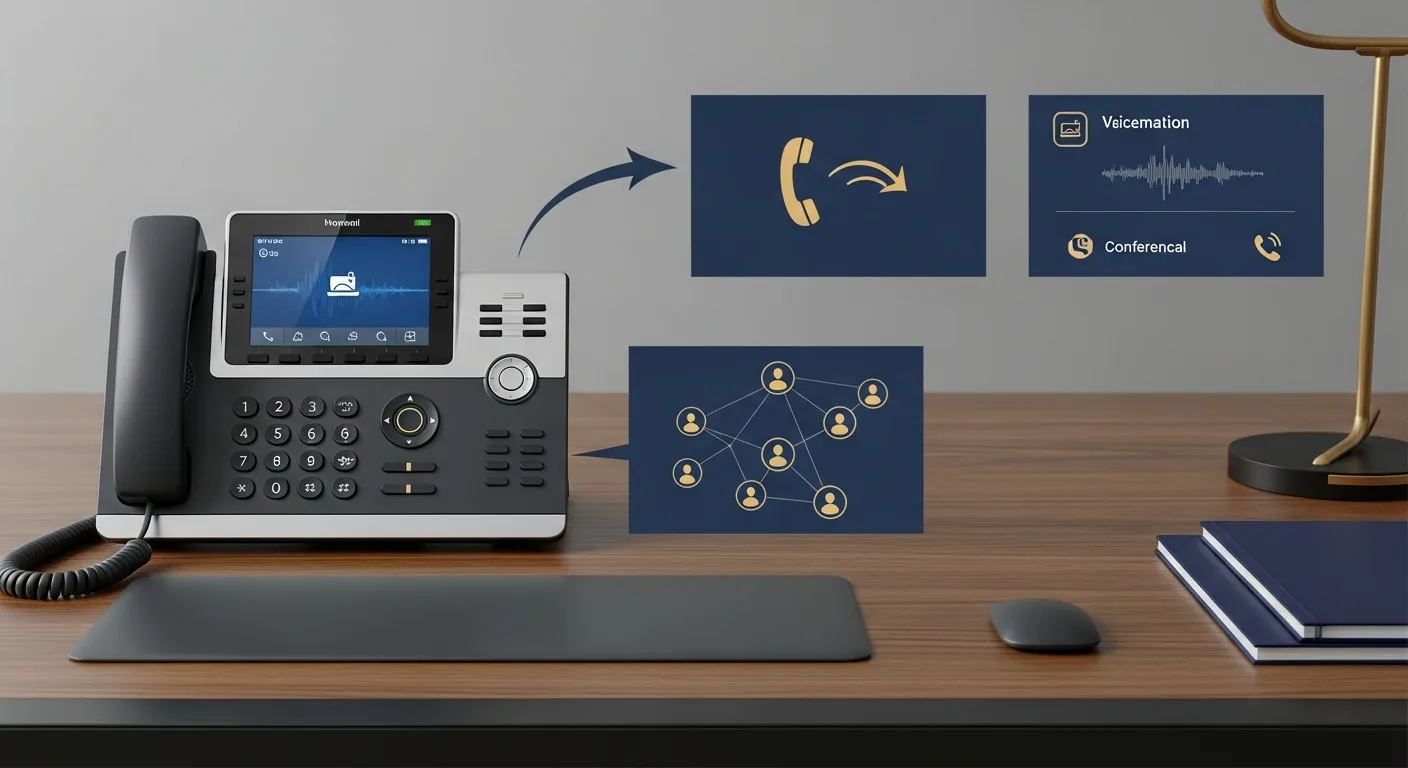
Voicemail, transcripts, texts, and call summaries all arriving in one place your team already watches is the difference between capturing a lead and recording one. Unified messaging exists for exactly this, and it's the least exciting piece of the whole setup and the one most responsible for whether any of it works.
The greeting, if you fix nothing else this week
Assume you can't implement any of the above by Friday. Rewrite the greeting anyway. It takes ten minutes.
A useful after-hours greeting names the firm, acknowledges the hour, gives a specific callback commitment rather than a vague one, and offers a second route. Something along the lines of: thanks for calling, our office is closed, leave your name and number and someone will call you back before 10am tomorrow, or if you'd rather not wait, the form on our website reaches us tonight.
The specific time commitment is the part that works. "We'll get back to you" means nothing. "Before 10am tomorrow" is a promise, and people will wait for a promise. Then keep it, obviously.
Write down what happens, then check whether it did
Document the after-hours flow on one page. What answers, what it collects, who gets notified, how fast the callback goes out, and where the lead gets logged so it isn't living on a notepad.
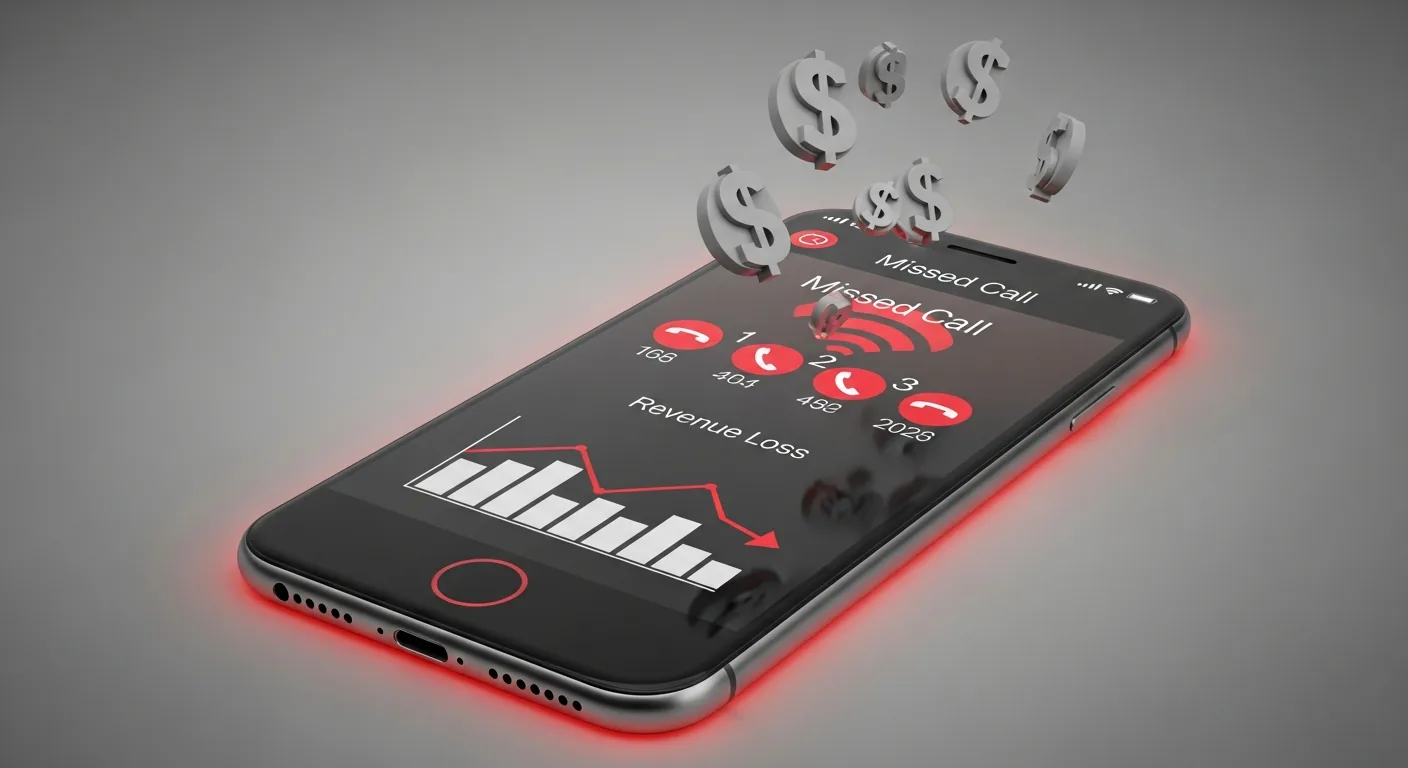
Then measure two things monthly: how many calls arrive outside business hours, and what share of them got a human response by mid-morning. That second number is the whole scorecard. If it's low, the problem isn't the evening. It's the morning, and that's a much easier thing to fix. The wider cost of unanswered calls, day and night, is worked through in why firms lose revenue to missed calls.
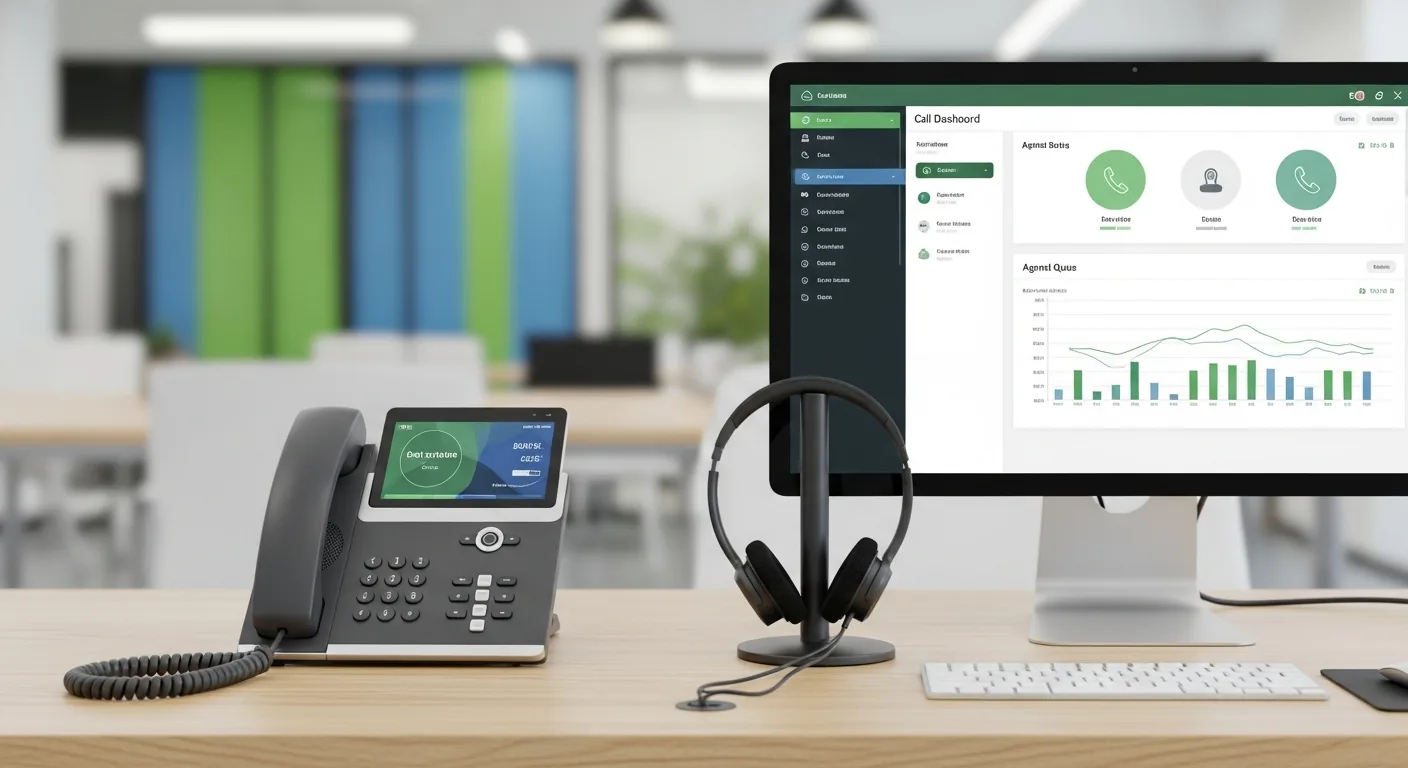
For the full picture of building a phone system that covers all twenty-four hours, start with our guide to business phone systems.