
How AI Receptionists Help Small Firms Capture More Leads
An AI receptionist is worth having for one reason, and it isn't the technology. It answers the calls nobody at your firm was going to answer. The lunch hour, the second and third simultaneous callers, the 7:40pm prospect who found you on their phone after the kids went to bed. That's the entire pitch for AI receptionists in lead capture, and it's a good one, because those are exactly the calls that turn into clients somewhere else.
Everything beyond that is worth being skeptical about. So let's take the skepticism seriously.
What it does, stated plainly
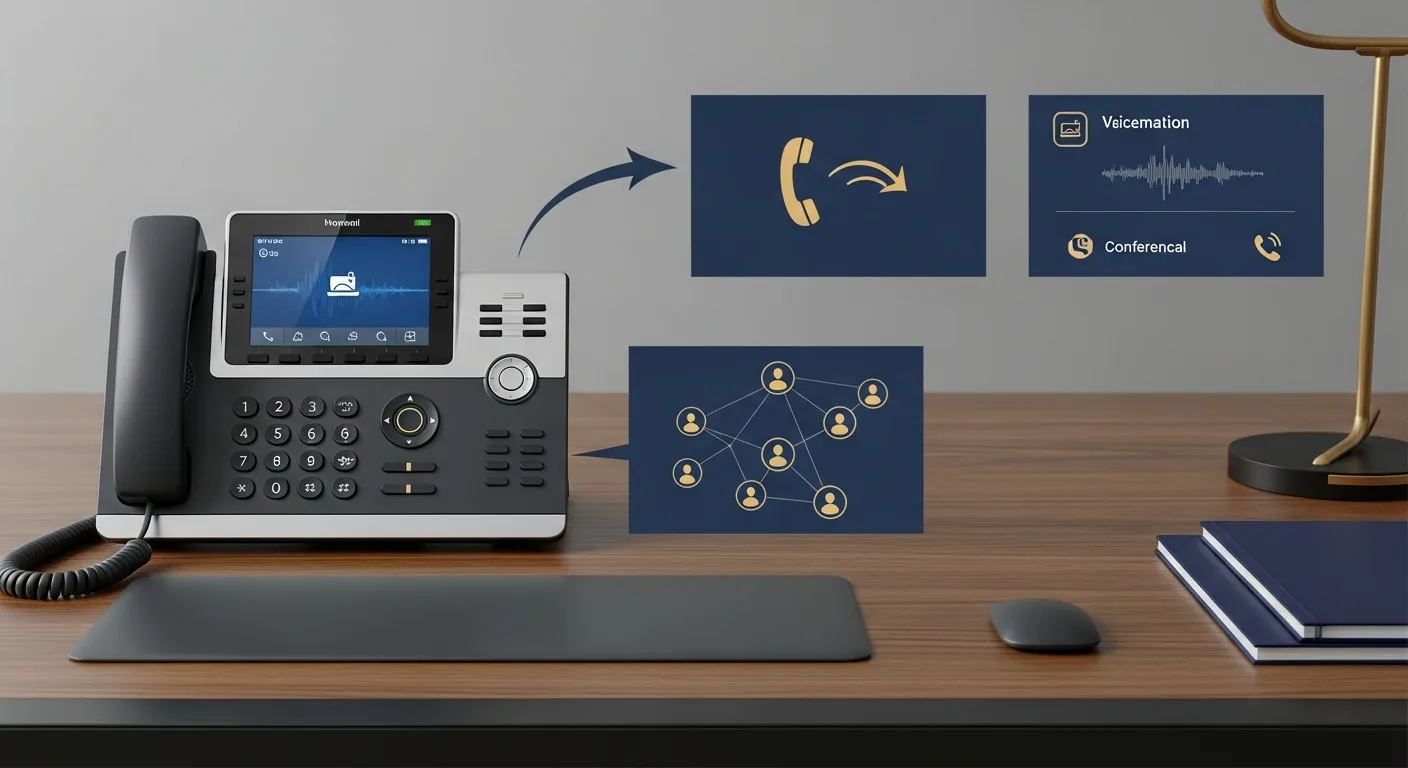
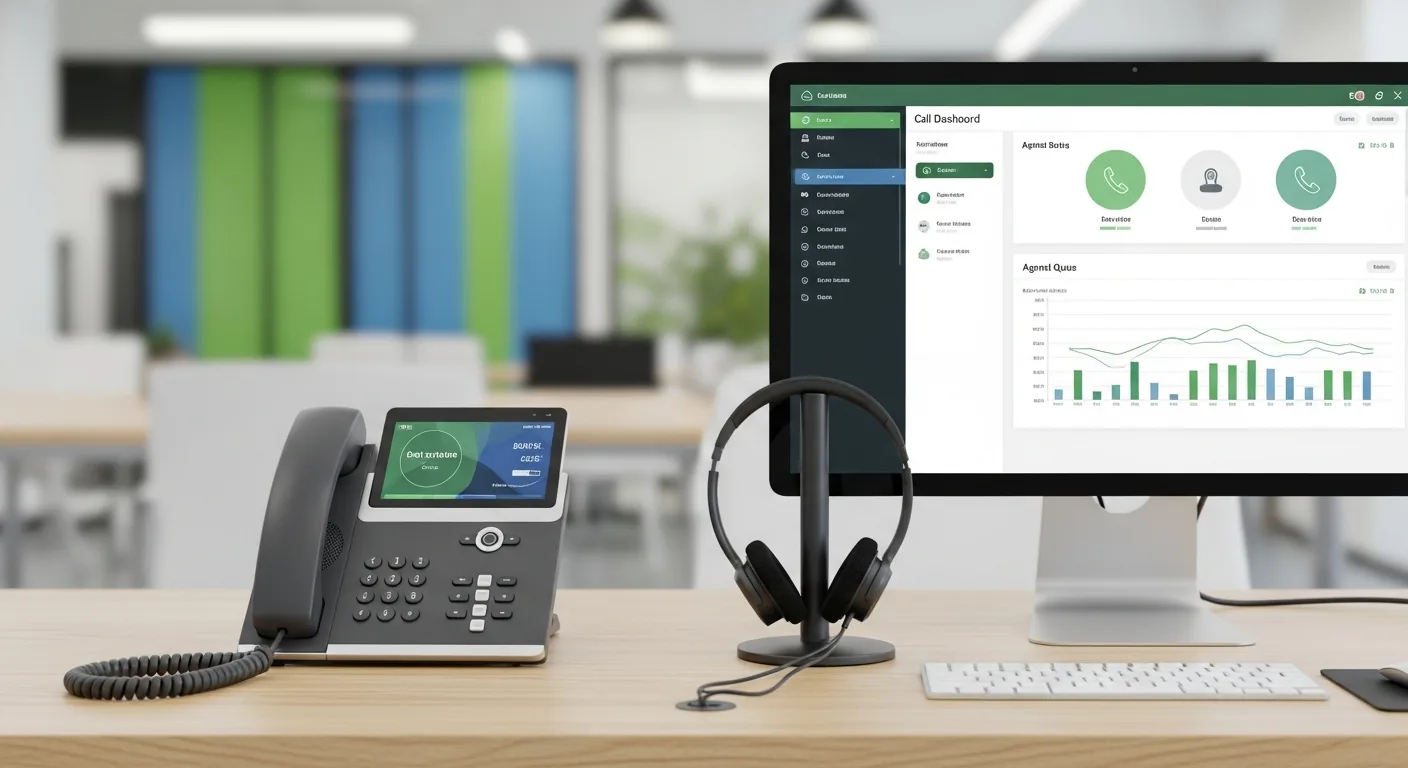
Strip the marketing off and a modern AI answering layer does five things. It picks up on the first ring, every time, no matter how many calls arrive at once. It says your firm's name and asks why the person is calling. It collects a name, a number, and a sentence about the problem. It can look at a calendar and put a consultation on it. And it sends somebody at your firm a summary, by text or email, within seconds of hanging up.
That's the menu. It's a shorter menu than the vendors describe and it's still enough to change your intake numbers, because the alternative it's replacing is voicemail, and voicemail's capabilities are: beep.
What it can't do is give advice, read that a caller is in real distress and needs a person right now, or build the kind of rapport a genuinely great receptionist builds over three years of knowing everyone's kids. It should not be sold to you as if it can.
The failure that isn't the AI's fault
Here's a pattern worth knowing about before you buy anything, because it wastes a month of a firm's life at least as often as the technology actually underperforms.
A firm signs up for an AI receptionist. The setup call goes fine. The greeting gets recorded, the qualifying questions get written, the calendar gets connected, and everyone agrees to check in after thirty days. Thirty days later the report shows a handful of calls. Barely anything. The partner concludes the thing doesn't work, cancels, and tells three colleagues at a conference that AI answering is overhyped.
The AI worked perfectly. It answered every call it received. It received almost nothing, because nobody ever changed the call flow. The main line still rang the front desk, then rolled to the old voicemail box on the fourth ring, exactly as it had for six years. The AI was configured as a destination that no call was ever routed to. It sat there for a month, correctly answering an empty line.
This happens constantly, and it's the most common reason an AI deployment gets written off. The failure is upstream of the AI entirely, in the boring configuration layer that nobody demos and nobody checks: which number rings which endpoint, after how many seconds, and where the overflow actually goes. The same thing happens with AI tools across the firm, which is why the piece on AI assistants for accountants keeps landing on plumbing rather than models. The lesson is short. On day one, call your own main number from an outside phone. Then call it again while somebody is deliberately on the line. Then call it at 8pm. If a human or the AI doesn't answer all three, you don't have a receptionist problem. You have a routing problem, and no amount of clever software fixes it.
Where the leads actually come from
The calls an AI answering layer catches aren't evenly distributed. They come from four specific gaps.
The simultaneous call. Your receptionist is helping one person and two more dial in. Human receptionists handle one line at a time. This is not a criticism of receptionists, it's arithmetic.
The unattended twenty minutes. A walk-in, a printer emergency, a bathroom break. Every firm has these and no firm schedules coverage for them.
After hours and weekends. People decide to hire a professional in the evening, when the day's obligations are finished and the problem is still there.
The seasonal spike. In March, an accounting firm's front desk is underwater by ten in the morning. The AI layer doesn't get tired at three o'clock.
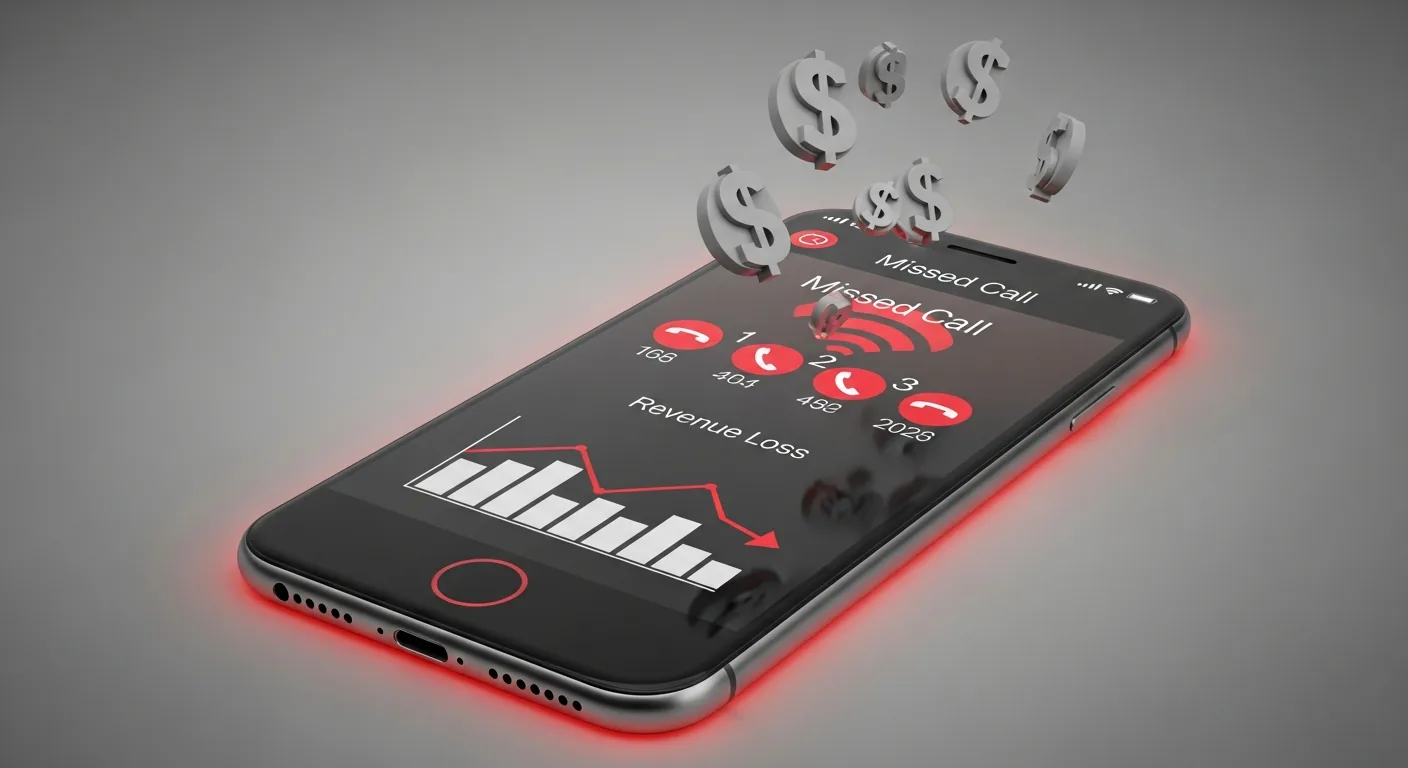
Add those up and it's a meaningful share of a small firm's inbound. Every one of them currently ends in voicemail, and most people who reach voicemail hang up and call somebody else.
Qualifying, which is more valuable than answering
The underrated part isn't the pickup. It's what shows up in your inbox afterward.
A voicemail gives you a name mumbled at the speed of thought and a phone number you replay three times. An AI summary gives you a name spelled out, a callback number confirmed, the practice area, and one line about what happened. Your intake person calls back already knowing whether this is a bookkeeping cleanup, an S-corp election question, or somebody who wants free advice about their neighbor's fence.
That changes the callback from an information-gathering call into a closing call. Same person, same fifteen minutes, much better use of them. Our virtual receptionist service is built around that handoff specifically, because the summary is where the value concentrates.
The objection worth taking seriously
Somebody at your firm is going to say clients will hate it, and they aren't being difficult. It's a real risk and the answer depends on execution rather than principle.
What people hate is being trapped. A machine that answers, takes a name and a number, and lets anyone who asks reach a person doesn't generate complaints. A machine that loops, misunderstands twice, and refuses to transfer generates a bad review. The difference is entirely in how you configure the escape route, which takes about ten minutes and is the first thing most firms skip.
Tell the caller what's happening, too. A greeting that's straightforward about taking their details so someone can call back does better than one pretending to be a receptionist named Amber.
Where it fits alongside people
The best configurations in small firms are almost never AI-only. Two shapes work.
Humans first, AI behind them. Your front desk answers during business hours and always will. The AI catches the overflow, the lunch hour, and everything after five. Clients who call regularly keep getting the person they know.
AI first, humans on request. Every call is answered instantly and screened, and anyone who asks for a person gets one. This suits firms drowning in vendor calls and solicitors, which is most firms with a listed number.
The tradeoffs between those, plus where a live answering service still wins, are worked through in live receptionist versus AI receptionist. If your gap is specifically nights and weekends, after-hours call handling is the more targeted read.
Setting it up so it doesn't embarrass you
Write the greeting yourself. The default sounds like every other default. Say your firm's name the way your receptionist says it.
Keep the qualifying questions to three or four. People will answer three questions from a machine. They will not answer nine.
Decide what happens on an escalation before you go live. Which calls transfer to a human immediately, and to whom, and what happens if that person doesn't pick up.
And test the routing, then test it again in a month. Which brings us back to the failure above, since call flows drift every time somebody adds an extension or changes an office schedule. For multi-location firms this gets genuinely involved, and the walkthrough in call routing for multi-office firms is worth an hour before launch.
Set up properly, an AI receptionist is boring in the best way. It answers, it takes the details, it texts you, and the callback happens the same morning. Nobody comments on it. Your intake numbers just quietly go up.
For the wider view of how answering fits into a firm's phone setup, start with our guide to business phone systems.