Business Phone System Features Law Firms Actually Need
A law firm phone system needs about six features. Vendors will quote you thirty. The six that matter: a shallow auto attendant, call recording you can retrieve without opening a support ticket, voicemail that arrives as readable text, a mobile app that puts the firm's number on outbound calls, access controls that keep the wrong people out of the wrong recordings, and reporting honest enough to show you what you missed. Everything past those six is a line on an invoice.
Worth settling that before the demo, because demos are built to make feature count look like value. It isn't.
The greeting is your intake process, whether you designed it that way or not
Somebody calling a law firm for the first time is usually having a bad month. A collision, a letter with a case number on it, a spouse who hired counsel first. They aren't in a patient mood and they have three other firms open in browser tabs.
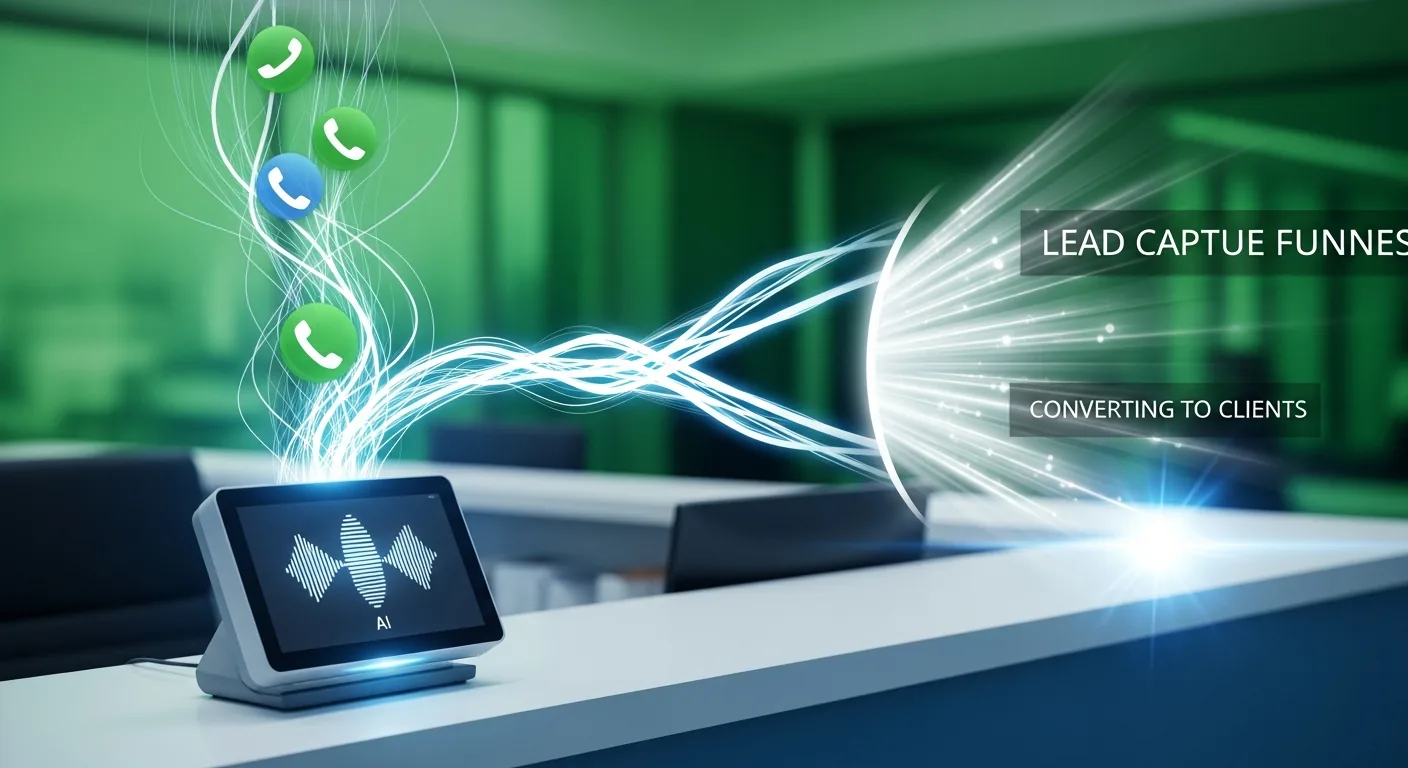
So the auto attendant is the first thing your firm says to a stranger under stress. Keep it short. One menu level, two at the absolute outside, and an escape to a live human at every level for the callers who won't play along. If a prospect has to press four buttons and sit through a recording about parking validation before anything human happens, you've built a filter that screens out clients and lets solicitors through.
Time-of-day and holiday rules belong here too. The alternative is somebody remembering to change the greeting the day before Thanksgiving, and they won't.
Recording, because nobody's memory survives six months
Fee disputes and grievances tend to hinge on one conversation that happened in March and got remembered two different ways in September. A recording ends that argument in about ninety seconds. It also does a quieter job nobody asks for: it shows you what your intake actually sounds like, which is rarely what the partners assume it sounds like.
The features that matter here aren't exciting. Storage you can search by date, caller, or extension. Retention rules you set once and stop thinking about. Encryption at rest. An automatic disclosure at the top of the call, since consent requirements vary by state and several of them want every party on the line to know. Get that message playing on its own so nobody has to remember it at 4:45 on a Friday.
Then actually use the recordings. A firm that records everything and listens to nothing has purchased a liability, not an asset. There's more on what to do with them in the piece on call recording and analytics for intake.
Voicemail you can read in four seconds
Attorneys spend their days in hearings, depositions, and mediations, none of which are places you can dial into a voicemail box and scribble down a callback number. Transcription fixes this in the least interesting way imaginable. The message arrives as an email or a text, you read the first line, and you know whether it waits until four o'clock or interrupts lunch.
Small feature. Enormous daily return. It's the sort of thing nobody writes a case study about and everybody misses within a week of losing it.
The number that travels with the attorney
Here's a habit worth breaking. An associate takes a call in the courthouse hallway, calls the client back from her cell, and now a personal mobile number is in that client's phone forever. It will be used at 9pm. It will be used after she leaves the firm. It will be used by the client's brother-in-law who has a question.
A mobile app that runs the firm's number solves it without anyone having to be disciplined about it. Outbound calls show the office line. Voicemail lands in the firm's system, where it can be covered when somebody's on vacation. Transfers work the same from a parking lot as from a desk. If your attorneys work out of courthouses, client sites, and kitchen tables, the mobile app for business calls stops being a convenience feature and becomes the way the firm answers its phone.
Not everyone should hear everything
Law firms have confidentiality obligations that most businesses don't, and phone systems have quietly become a place those obligations get tested. Recordings of intake calls. Voicemails describing a matter in detail. Transcripts sitting in a vendor's cloud.
So the requirement is role-based access, applied honestly. Not everyone at the firm needs to open any recording in the system. Encryption in transit, TLS for signaling and SRTP for the audio, should be on by default rather than a checkbox somebody has to find. And if any part of your setup involves AI transcription or an AI answering service, the vendor questions get sharper, which is the whole subject of the piece on voice AI security for professional firms.
Ask a prospective provider where recordings live and who at their company can reach them. The pause before the answer is informative.
The screen should know who's calling before you do
When a client calls, the person picking up should already see the name, the matter, and the last thing that happened on it. Integration with Clio, MyCase, PracticePanther, or whatever your firm runs on gets that screen pop working, and logs the call afterward without anyone typing a note.
Two minutes saved per call sounds trivial. Run it across a firm of nine over a year and it's a part-time position you didn't have to post. The bigger win is softer: clients notice being known. They can't evaluate your motion practice. They can absolutely tell when the person answering has no idea who they are.
One firm, several addresses
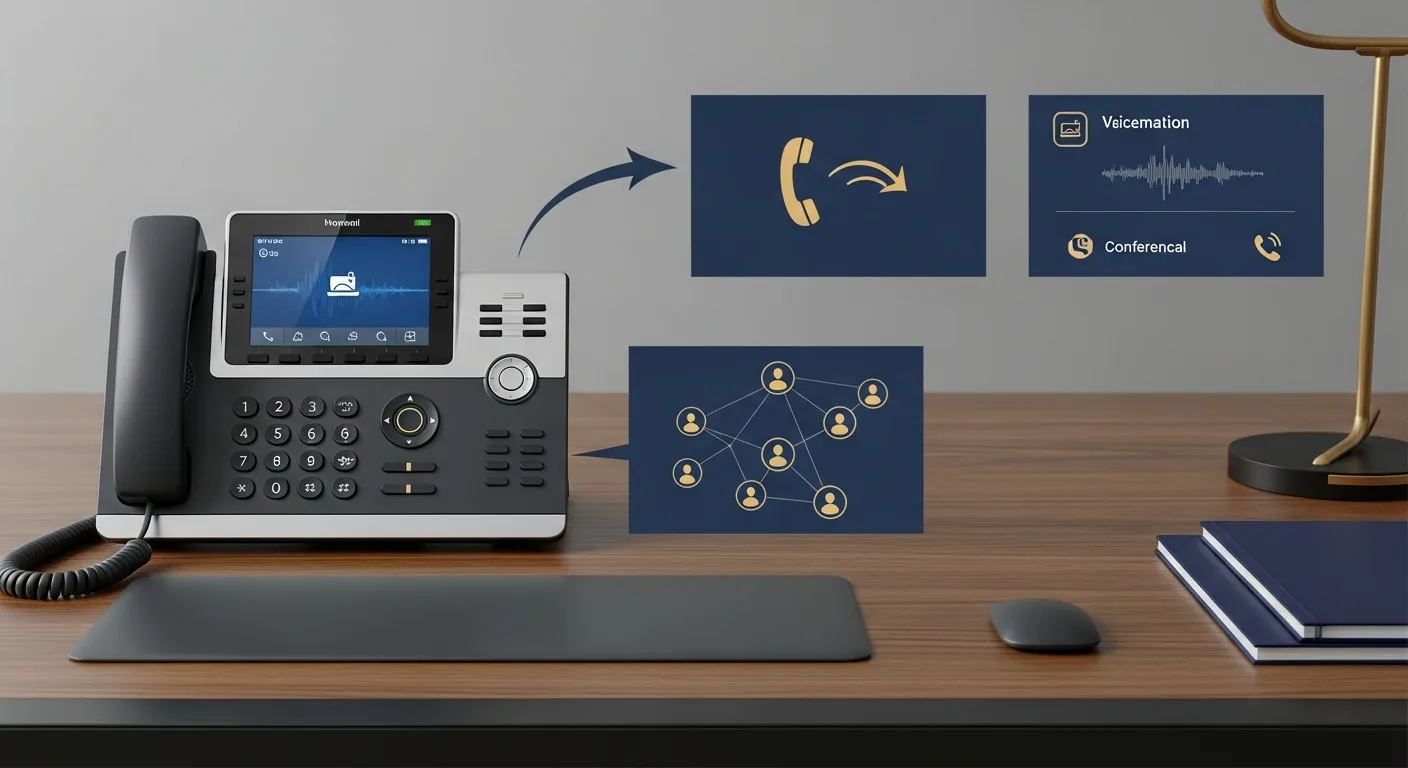
If you have more than one office, the phone system is what decides whether clients experience a firm or a loose federation of buildings. Extensions should work across locations. A transfer from downtown to the satellite office should be the same three keystrokes as a transfer across the hall. Nobody should ever say the sentence "let me give you the number for our other office."
Designing that properly takes an afternoon and a whiteboard, which is covered in the walkthrough on call routing for multi-office firms.
Reporting that changes a decision
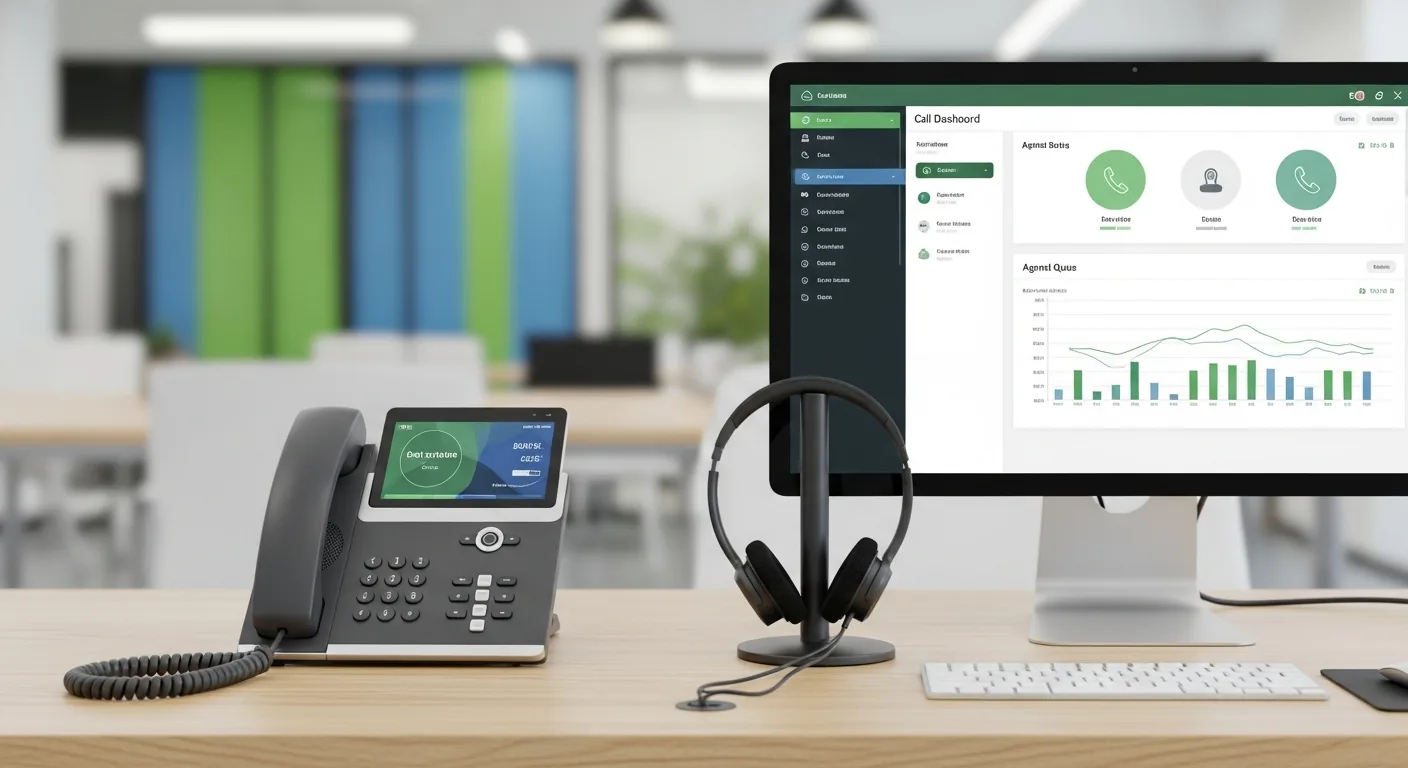
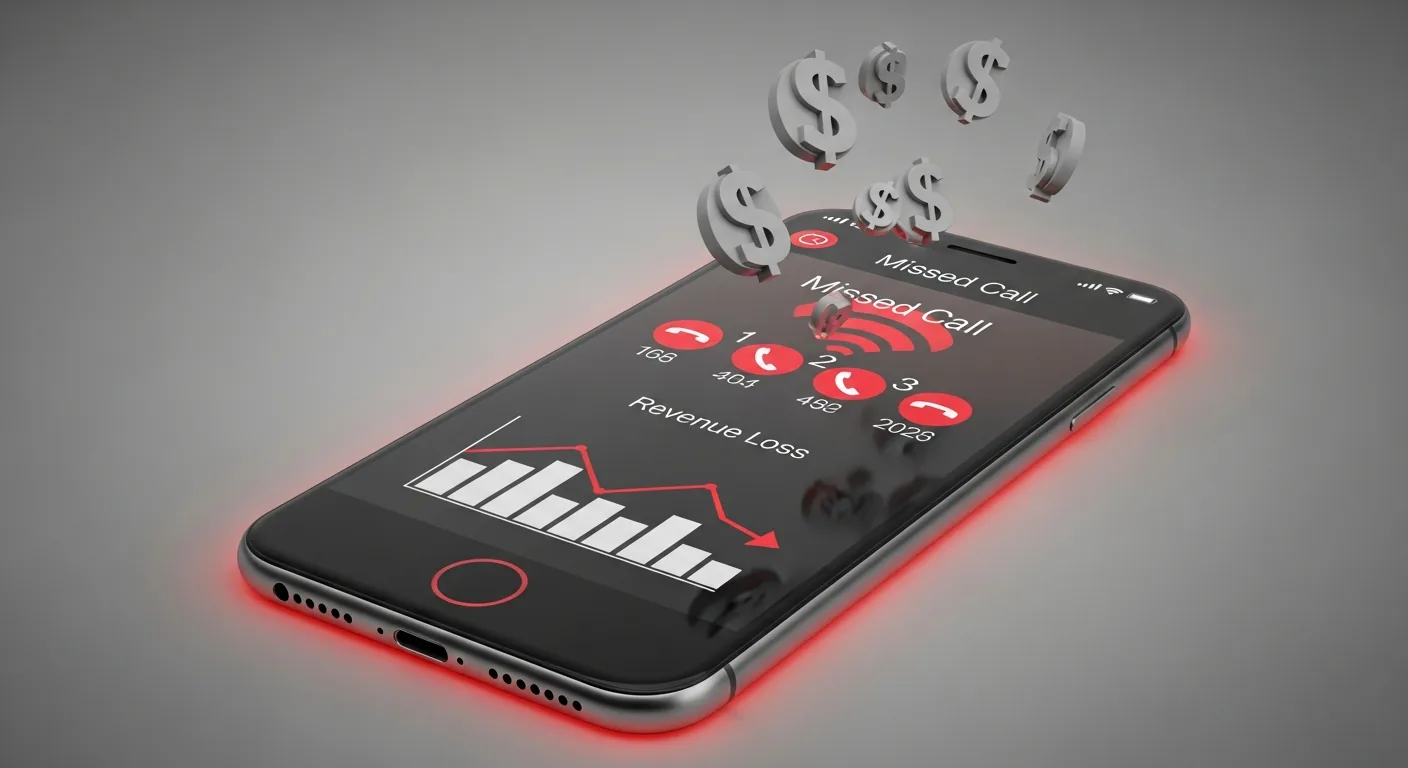
Most phone dashboards are decoration. The three numbers that earn their place: how many calls went unanswered, how long callers waited before somebody picked up, and when during the day the misses cluster.
That last one is where the money hides. Firms discover their worst answer rate is between noon and one, every single day, because the front desk eats lunch and nobody covers. That's a scheduling fix, not a software purchase, and you'd never have found it without the report.
Anything beyond those three is optional until proven otherwise.
The features you'll be pitched and never use
Sentiment scoring on client calls. A wallboard for the lobby. Six levels of IVR nesting. Presence indicators are a genuine exception and worth having, since a receptionist who can see that a partner is already on a call stops making blind transfers into voicemail.
The rest of it exists to fill a comparison chart. Uptime matters more than any of it. Ask about the guarantee, in writing, and 99.99% is the number you should be looking for, because a phone system that's clever and down is worse than a plain one that rings.
Pick the six features, ignore the pitch deck, and spend the saved attention on your call flow instead. The complete picture, from porting numbers to what to demand in a contract, is in our guide to business phone systems.