How Call Recording and Analytics Improve Intake
Call recording and analytics are worth having for one specific reason: intake is the most valuable process in a professional firm and the least observed. Everything else in the firm gets reviewed. Returns get reviewed, pleadings get reviewed, engagement letters get reviewed. The conversation that decides whether somebody becomes a client at all happens once, is heard by one person, and then exists only as a memory and maybe a sticky note.
Recording fixes the observation problem. Analytics fixes the pattern problem. Neither fixes anything if nobody looks, which is the failure mode most firms land in.
What you learn in the first ten calls
The first time a partner sits down and listens to ten intake calls, something uncomfortable usually happens. The calls don't sound like the firm thinks it sounds.
Common discoveries: the greeting is different every time. Callers get put on hold before anyone asks their name. The person answering quotes a price on the first call, which is firm policy not to do. Half the calls never establish how the caller found you, which means your marketing attribution is guesswork. Somebody excellent on the phone is doing something specific and repeatable that nobody has ever written down.
That last one is the real prize. Most firms have one person who converts prospects noticeably better than everyone else, and nobody can articulate why. Twenty minutes with their recordings usually reveals it's something small. They ask about the deadline early. They name a next step before hanging up. They say "I'll have someone call you Thursday morning" instead of "someone will get back to you."
You can teach that. You just have to hear it first.
Recording as a paper trail
The defensive case is easier to make and no less real. Fee disputes, grievances, and the occasional "I never authorized that" all come down to a conversation from months back that two people remember differently.
A retrievable recording ends those in minutes rather than weeks. For firms in regulated professions, the storage side needs the same care as any other client data: encryption at rest, retention rules set once rather than decided case by case, access limited by role so not every employee can pull every recording. Consent requirements vary by state, and several of them require every party on the call to know, so the disclosure message should play automatically instead of depending on somebody remembering it during a busy morning. That's the whole design behind compliance call recording: the legal parts handled by the system rather than by discipline.
Firms in legal practice have a few extra considerations around who can access what, covered in phone system features law firms need.
The four numbers that matter
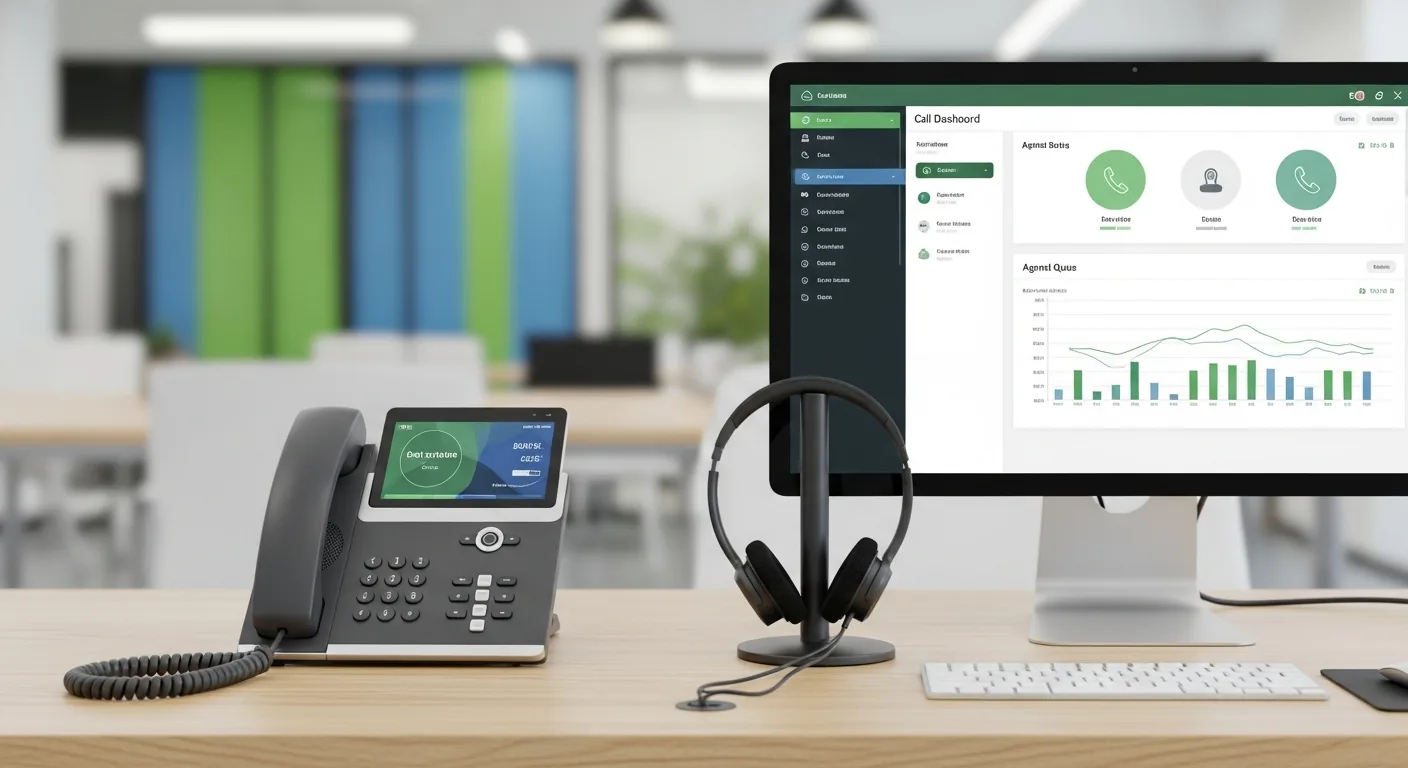
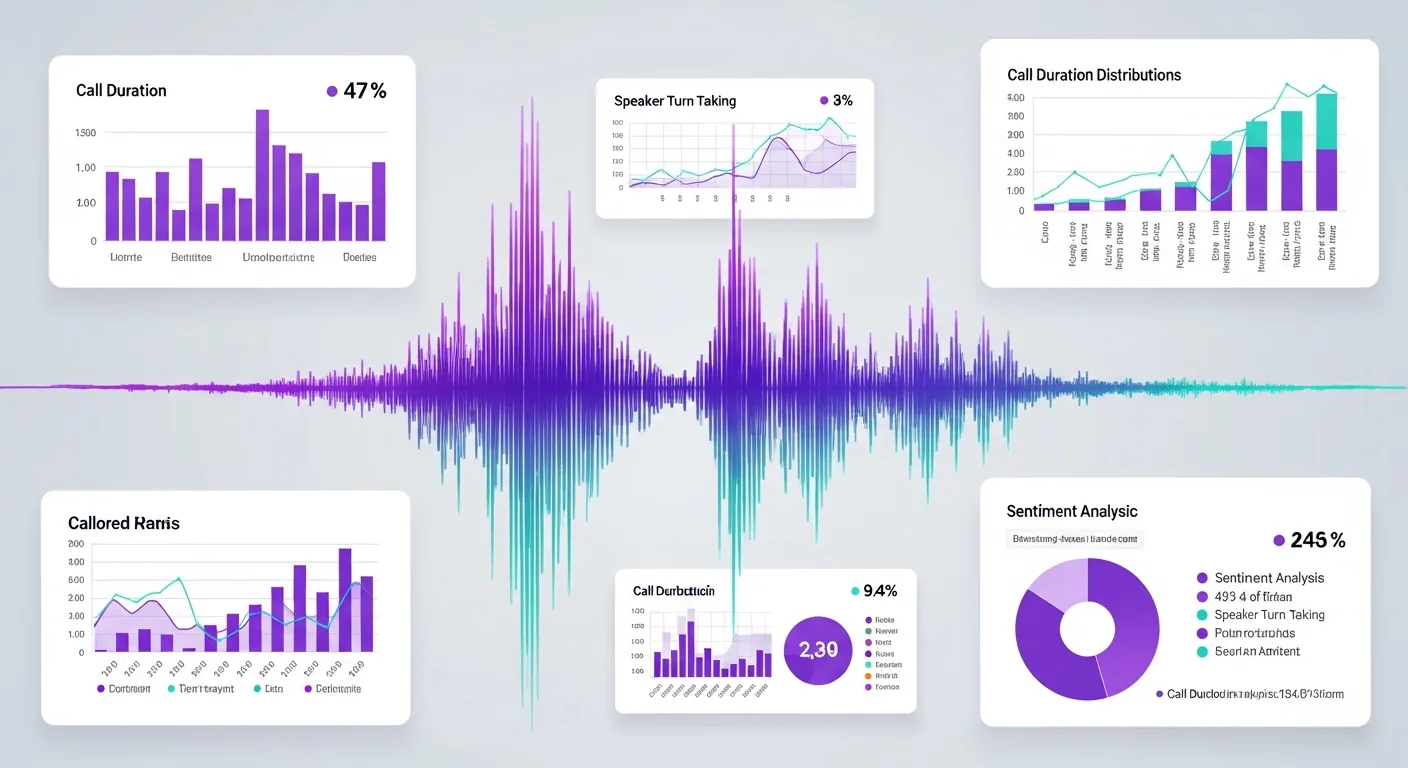
Call analytics dashboards offer dozens of metrics. Most of them are decoration. Four change decisions.
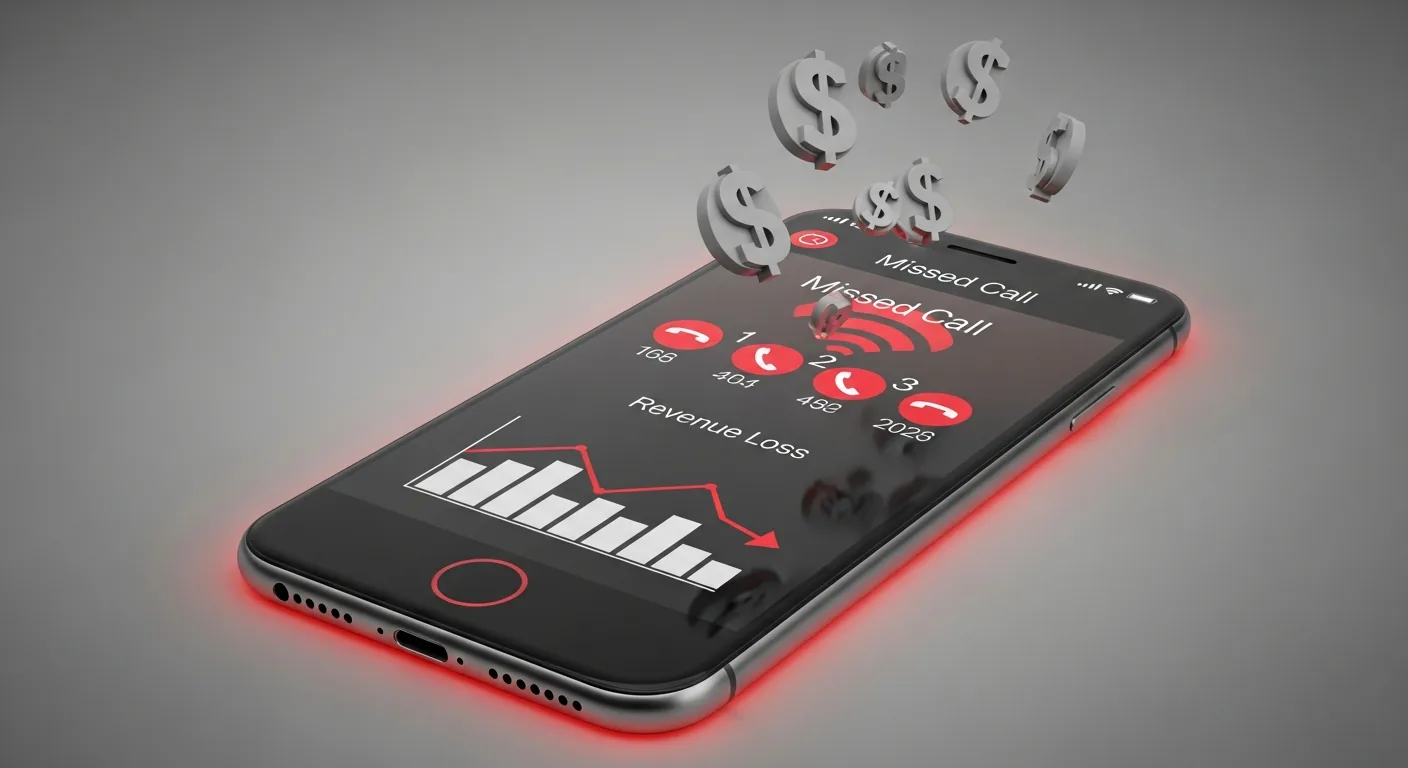
Missed call rate. The share of inbound calls nobody answered. This is the headline number, and it's usually worse than the firm's guess. If it's high, the piece on why firms lose revenue to missed calls walks through where the losses concentrate.
Speed to answer. How long the phone rings first. Callers get impatient faster than anyone believes, and the difference between picking up quickly and picking up eventually shows up in whether they're still there.
Volume by hour and day. This is the one that pays for the whole exercise. Misses cluster. They pile up at lunch, at nine in the morning before the front desk settles, and in the last hour of the day. Once you can see the shape, coverage becomes a scheduling problem you can solve for free.
Call outcome. Whether the caller got a next step. Booked a consultation, got their question answered, reached the right person. This one requires either a disciplined tagging habit or an integration with your practice management system, and it's the number that connects the phone to revenue.
Everything past those four is worth ignoring until somebody can name the decision it would change.
Turning recordings into training
Recordings gather dust in most firms that buy them. The ones that get value do something simple and scheduled.
Pick five calls a month. Not fifty. Five, chosen semi-randomly, listened to by one person who owns intake quality. Score them against a short list: did we get a name and callback number, did we identify what they need, did we establish urgency, did the caller leave with a specific next step and a time.
Then do the part that's uncomfortable in a small firm and worth it anyway: play a good call in a staff meeting. Not a bad one, at least not at first. People learn faster from hearing what right sounds like than from a list of rules, and nobody gets defensive about a colleague being praised.
Where analytics touches revenue directly
Once you're tracking outcomes, the connection between phone behavior and money stops being theoretical.
Here's a hypothetical, framed honestly as one. Say your firm takes forty inbound calls a week, and the report shows six a week going unanswered, clustered between noon and one. Assume a modest share of those are prospects rather than vendors. Now put your own average client value against that, whatever it actually is for your practice, and you have the annual cost of an unstaffed lunch hour. In most small firms that number is uncomfortable enough to change the schedule by the end of the meeting.
That's the whole argument for analytics. Not the dashboard. The one decision it changes.
Telling people they're being recorded, without it being weird
Firms hesitate here, worried the disclosure will spook callers. It doesn't. People have heard the line a thousand times and it registers as evidence that you're a real business with real procedures.
Keep it short and put it at the very top, before the caller starts explaining anything. An automatic message beats a human remembering, because the human will forget on exactly the call where it mattered. For firms operating in states that require every party to consent, this stops being a courtesy and becomes the thing that makes the recording usable at all.
Internally, tell your team too. Not as a warning, as a fact. Staff who know their calls are recorded and reviewed occasionally tend to sound better on the phone, and the ones who resent it usually have a reason worth hearing.
Getting it running without creating a project
Decide what to record. Recording everything is simplest and creates the most storage and the most policy questions. Recording only inbound calls to the main line and the intake extensions gets you most of the value with a fraction of the mess.
Write the retention rule down. How long recordings live, who can access them, what happens when the clock runs out. This takes fifteen minutes and prevents a much longer conversation later.
Put a recurring review on somebody's calendar. This is the step that separates firms that improve from firms that own software. A monthly thirty-minute block with a named owner.
And check the dashboard weekly, not daily. Daily numbers are noise. Weekly numbers show trends, and trends are what you act on.
The part that stays true
Recording and analytics won't fix a phone system that doesn't ring in the right places, and they won't make an understaffed front desk bigger. What they do is take the one process nobody has ever observed and make it visible, which is usually enough. Firms that watch their intake get better at it. Firms that don't, don't, and they typically believe they're doing fine.
If you're also evaluating the rest of the system, what to look for in a business phone system covers the surrounding features, and the security questions raised by AI transcription and analysis are worked through in voice AI security for professional firms.
For the full picture, start with our guide to business phone systems.