
Cybersecurity for Accounting Firms: The Essentials
Accounting firms sit on a goldmine of sensitive data. Tax returns, Social Security numbers, bank account details, payroll records. If a bad actor wanted to cause maximum damage with minimum effort, your firm's file server would be a pretty attractive target.
And yet, most small and mid-sized accounting firms treat cybersecurity like a checkbox. Install antivirus, hope for the best, move on. That approach worked in 2012. It does not work now.
This article covers the essentials. Not the theoretical stuff you would find in a 400-page framework document, but the things that actually matter for firms like yours.
Why Accounting Firms Are High-Value Targets
It is not just about the data you store. It is about the access you have. Many accounting firms connect directly to client bank accounts, payroll platforms, and tax filing systems. A compromised firm can become a gateway to dozens or hundreds of client organizations.
The IRS has been increasingly vocal about this. Their Publication 4557 outlines data security requirements for tax professionals, and it is not optional guidance. It is the baseline expectation.
Threat actors know this. Phishing campaigns targeting accounting firms spike during tax season because the combination of urgency, high email volume, and distracted staff creates perfect conditions for a successful attack.
The Foundational Security Stack
Every accounting firm should have these in place before worrying about anything more advanced:
**Endpoint protection.** This goes beyond traditional antivirus. Modern endpoint detection and response (EDR) tools monitor for suspicious behavior patterns, not just known malware signatures. If someone on your team opens a malicious attachment, EDR can catch the unusual activity before it spreads.
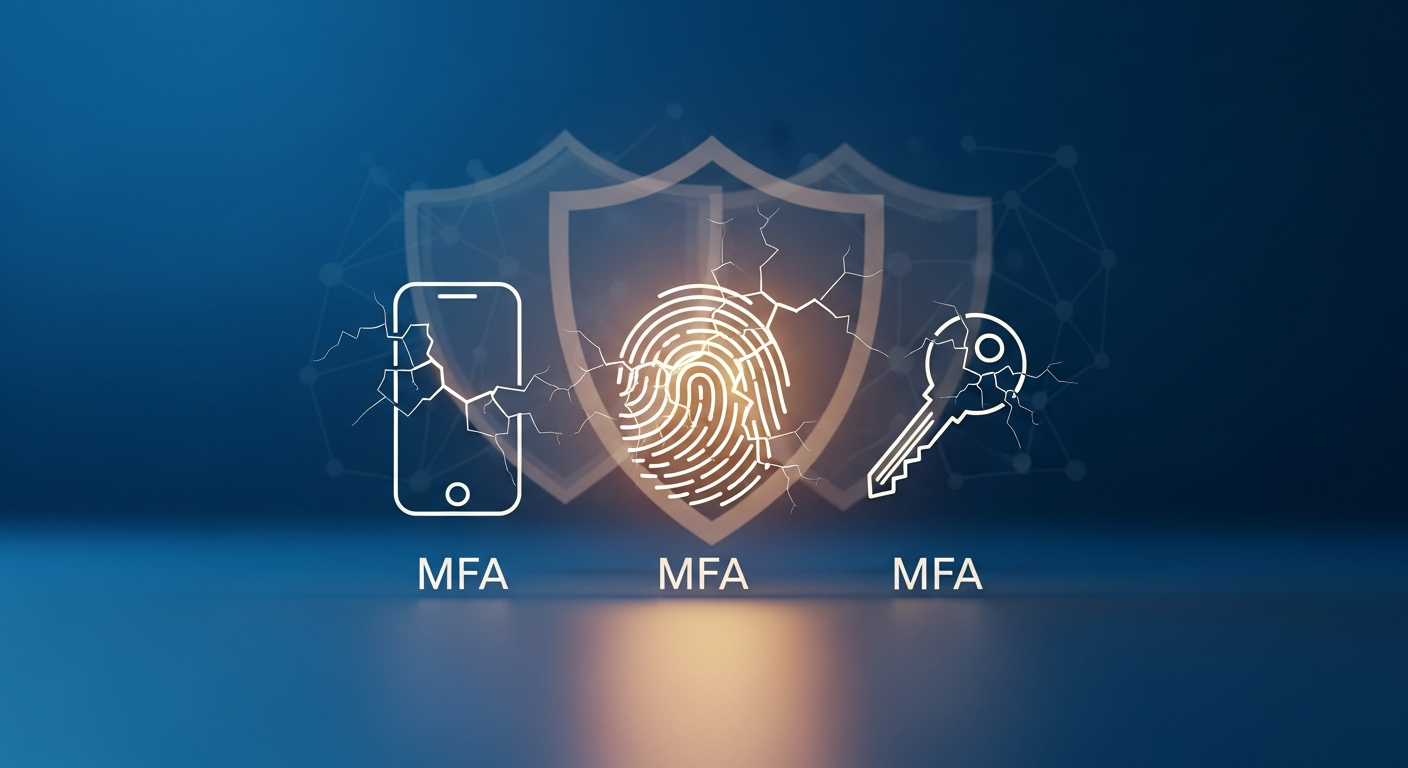
**Multi-factor authentication everywhere.** MFA on email. MFA on your practice management software. MFA on cloud storage. MFA on your tax filing platform. If a system holds client data and supports MFA, turn it on. But know that MFA alone is not enough to protect your firm.
**Email filtering and anti-phishing.** Most breaches at small firms start with email. Advanced email filtering catches the obvious spam, but you also need tools that flag suspicious links, impersonation attempts, and unusual attachment types. Read more about protecting client data from phishing and ransomware.
**Encrypted backups.** Ransomware is real, and the only reliable defense is having clean, encrypted backups that are stored separately from your main network. Test your backups regularly. A backup you have never restored is a backup you cannot trust.
**Patch management.** Unpatched software is one of the easiest attack vectors. Set up automatic updates where possible, and have a process for applying critical patches within 48 hours of release.
Access Control Matters More Than You Think
Not everyone in your firm needs access to everything. The receptionist does not need access to client tax returns. The seasonal preparer does not need admin rights to your practice management platform.
Implement the principle of least privilege. Give each person access to only what they need to do their job. Review access quarterly, and revoke it immediately when someone leaves. For a deeper look at this topic, see our article on data retention, access control, and encryption.
Role-based access control (RBAC) makes this manageable. Instead of configuring permissions for each individual, you define roles (partner, senior associate, staff accountant, admin) and assign permissions to the role.
Employee Training Is Non-Negotiable
Your security tools are only as strong as the people using them. A $50,000 firewall does nothing when someone clicks a phishing link and hands over their credentials.
Security awareness training should happen at least quarterly. It should cover:
- How to identify phishing emails (and what to do when you spot one)
- Password hygiene and why reusing passwords is dangerous
- Safe handling of client documents and sensitive data
- What to do if you suspect a security incident
Make it practical. Use real-world examples from your industry. Run simulated phishing tests. The goal is not to shame anyone but to build reflexes. Learn more about creating a security culture without slowing everything down.
Incident Response Planning
Hope is not a strategy. Every firm needs a written plan for what happens when (not if) a security incident occurs.
Your incident response plan should answer:
- Who is in charge during an incident?
- How do you contain the breach?
- Who needs to be notified (clients, insurers, regulators)?
- How do you preserve evidence?
- What is the communication plan?
If you do not have one yet, start with our guide on how to build a breach response plan. Keep it simple, keep it accessible, and practice it at least once a year.
Vendor and Software Security
Your firm does not exist in isolation. You share data with clients through portals, you connect to banks, you use cloud-based tax software. Each of these connections is a potential vulnerability.
Before adopting any new tool, ask:
- Where is data stored and how is it encrypted?
- What certifications does the vendor hold (SOC 2, ISO 27001)?
- What happens to your data if you cancel the service?
- How does the vendor handle security incidents?
This is especially important as firms adopt AI tools. Read our guide on how to assess the security of AI vendors before signing up for the latest shiny platform.
Compliance Is the Floor, Not the Ceiling
Meeting IRS requirements or state data protection laws is the minimum. It keeps you from getting fined, but it does not mean you are actually secure.
Many firms discover common compliance gaps only after an incident. Things like outdated encryption standards, missing access logs, or incomplete data retention policies.
Think of compliance as the starting line. Real security comes from building good habits, maintaining vigilance, and continuously improving your defenses.
Where to Start If You Are Behind
If reading this made you realize your firm has some gaps, do not panic. Start here:
1. Enable MFA on every system that supports it. Today. 2. Run a vulnerability scan on your network. 3. Review who has access to what and remove unnecessary permissions. 4. Schedule security awareness training for your team. 5. Write a one-page incident response plan.
These five steps will not make you bulletproof, but they will dramatically reduce your risk. For a comprehensive overview of cybersecurity for professional firms, visit our cybersecurity guide for professional services.
Security is not a project with a finish line. It is an ongoing practice. The firms that treat it that way are the ones that avoid becoming cautionary tales.