Best Business Phone System Features for Law Firms
Best Business Phone System Features for Law Firms
If you run a law firm, your phone system is one of the most important tools in your office. It is the first thing a potential client interacts with, and it is the backbone of how your team communicates internally and externally every single day. Yet most firms are still running on systems that were designed for a world that no longer exists.
The right phone system does more than ring. It routes calls intelligently, protects client confidentiality, integrates with your practice management tools, and gives you data you can actually use. Here is what to look for.
Auto-Attendant With Professional Routing
Every law firm needs a professional auto-attendant. This is the automated greeting that answers calls and directs them to the right person or department. A well-configured auto-attendant means your intake team gets prospective client calls, your paralegals get case-related calls, and your partners are not constantly interrupted by calls meant for someone else.
The best systems let you customize routing by time of day, day of week, and caller history. During business hours, calls go to your receptionist. After hours, they go to voicemail or an answering service. During holidays, callers hear a custom message.
Call Recording for Compliance and Training
Call recording is not optional for firms that take compliance seriously. Whether you need to document client instructions, verify what was discussed during intake, or train new staff on phone etiquette, recorded calls are invaluable.
Look for a system that stores recordings securely, allows you to search by date or caller, and gives you control over retention policies. Some jurisdictions require consent before recording, so make sure your system can play a disclosure message automatically. For more on how recordings improve operations, see our article on how call recording and analytics improve intake.
Voicemail-to-Email and Voicemail Transcription
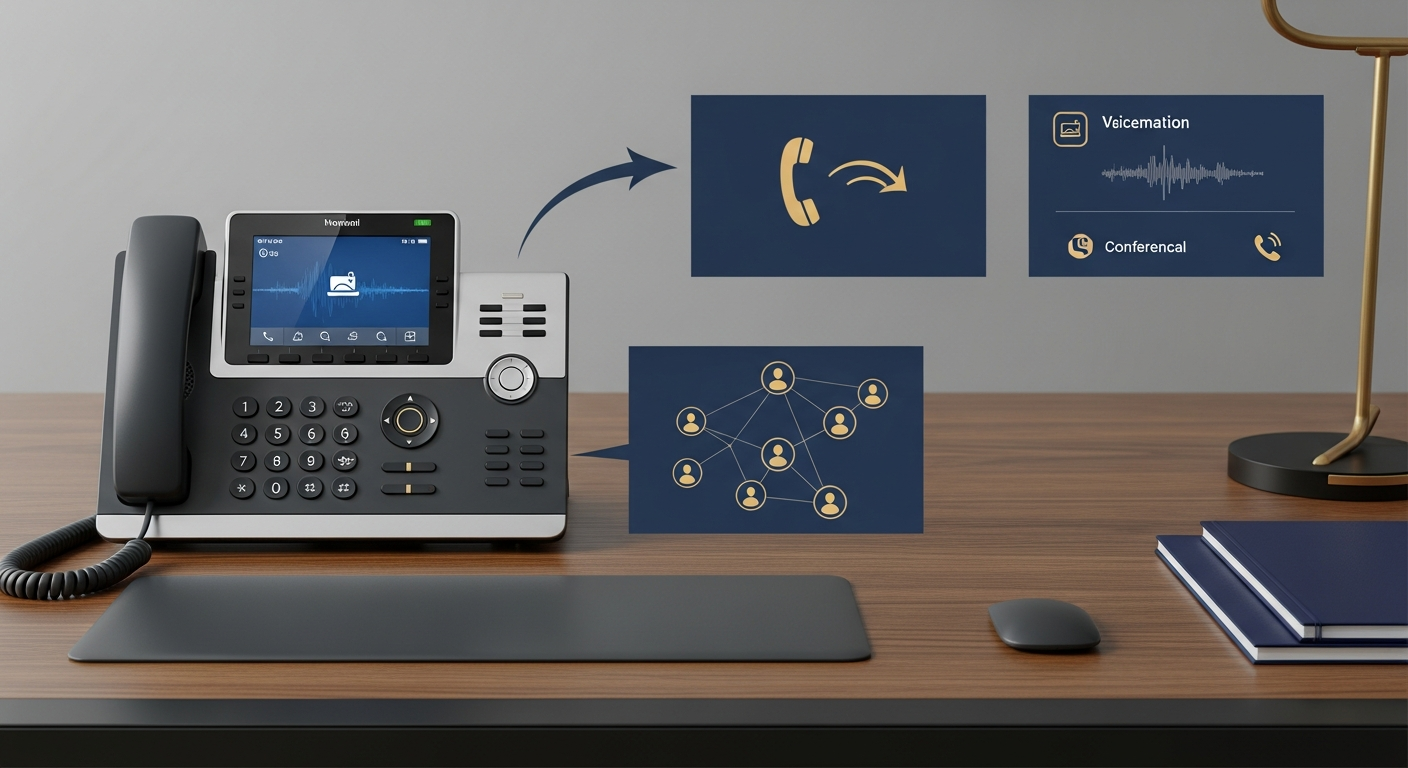
Lawyers are busy. They are in court, in depositions, in meetings. They cannot always check voicemail the traditional way. Voicemail-to-email sends a recording and a written transcription directly to your inbox, so you can scan it in seconds and decide whether it needs immediate attention.
This feature alone can save a firm hours per week. No more dialing into a voicemail box, listening to messages one by one, and scribbling down callback numbers.
Mobile App Integration
Your attorneys are not always at their desks. A modern phone system should include a mobile app that lets them make and receive calls using their business number from anywhere. This is critical for attorneys who work from home, travel between courthouses, or visit clients.
The key here is that the app should use the firm's caller ID, not the attorney's personal number. Clients see the office number, and the attorney's personal number stays private.
Secure Communication Channels
Law firms have an ethical obligation to protect client confidentiality. Your phone system should support encrypted calls, secure messaging, and role-based access controls. Not every staff member should be able to access every call recording or listen to every voicemail.
If your firm handles sensitive matters like criminal defense, family law, or corporate litigation, this is not a nice-to-have. It is a requirement. For a broader look at securing voice communications, read our piece on voice AI security for professional firms.
Integration With Practice Management Software
The best phone systems connect with your existing tools. When a client calls, your team should be able to see the caller's name, case number, and recent activity without switching screens. When the call ends, a note should be logged automatically.
This kind of integration reduces data entry, minimizes errors, and gives your team context before they even pick up the phone. Look for systems that integrate with Clio, MyCase, PracticePanther, or whatever your firm uses.
Multi-Office and Multi-Location Support
If your firm has more than one office, your phone system should make it feel like everyone is in the same building. Extensions should work across locations. Transfers should be seamless. A client calling the downtown office should be able to reach an attorney in the satellite office without hanging up and calling a different number.
For firms with complex routing needs, check out our guide on how to set up call routing for multi-office firms.
Presence and Status Indicators
Your receptionist should be able to see at a glance who is available, who is on a call, and who is in a meeting. Presence indicators prevent blind transfers to people who cannot take the call, which means fewer frustrated clients and fewer callbacks.
Scalability Without Hardware Headaches
Your firm will grow. You will hire new associates, open new offices, or bring on contract attorneys during busy periods. A cloud-based phone system lets you add lines and extensions in minutes without waiting for a technician to install hardware.
This flexibility is one of the biggest advantages of modern VoIP systems over traditional phone lines. If you are still on a legacy system, our article on VoIP vs traditional phone systems for professional offices breaks down the differences.
Analytics and Reporting
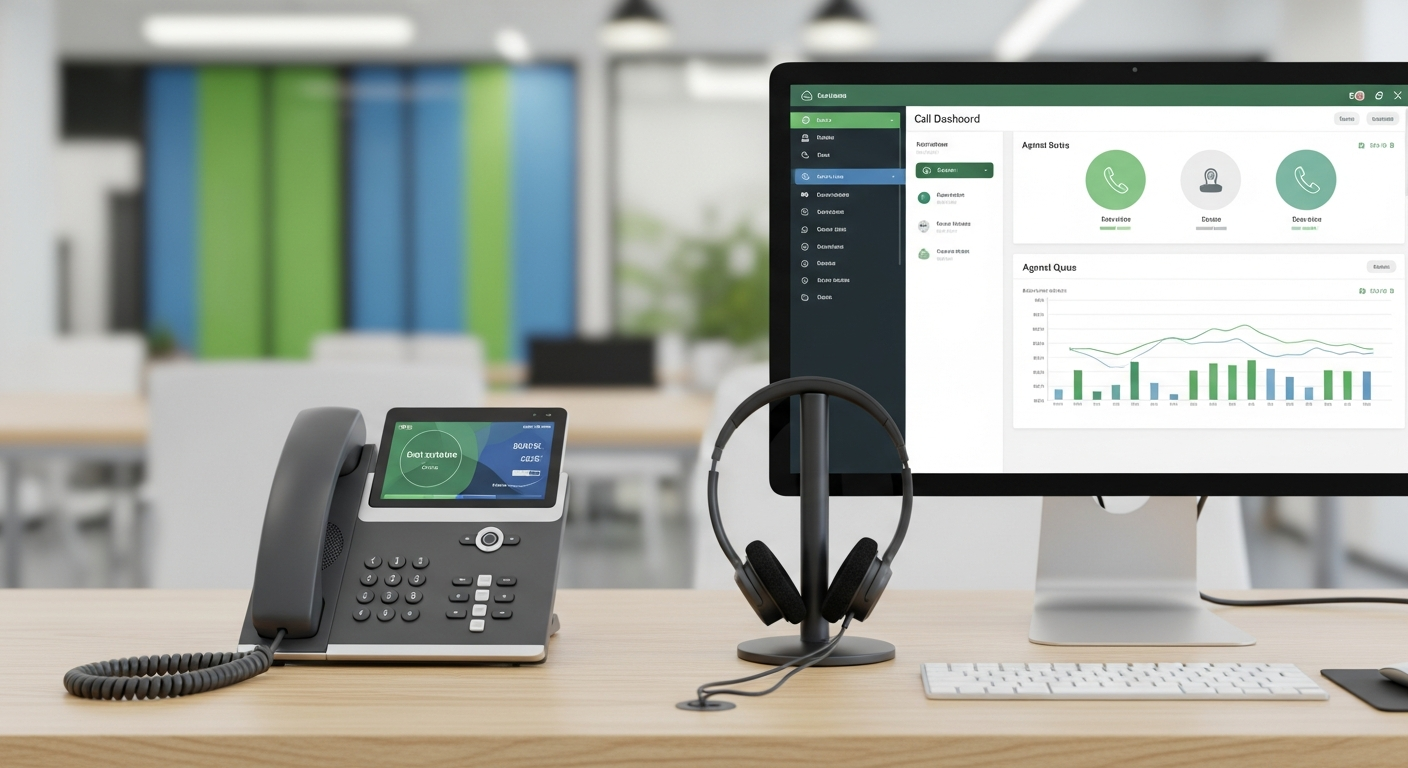
You cannot improve what you do not measure. A good phone system gives you data on call volume, average hold times, missed call rates, and response times. This data helps you staff appropriately, identify bottlenecks, and make sure no lead falls through the cracks.
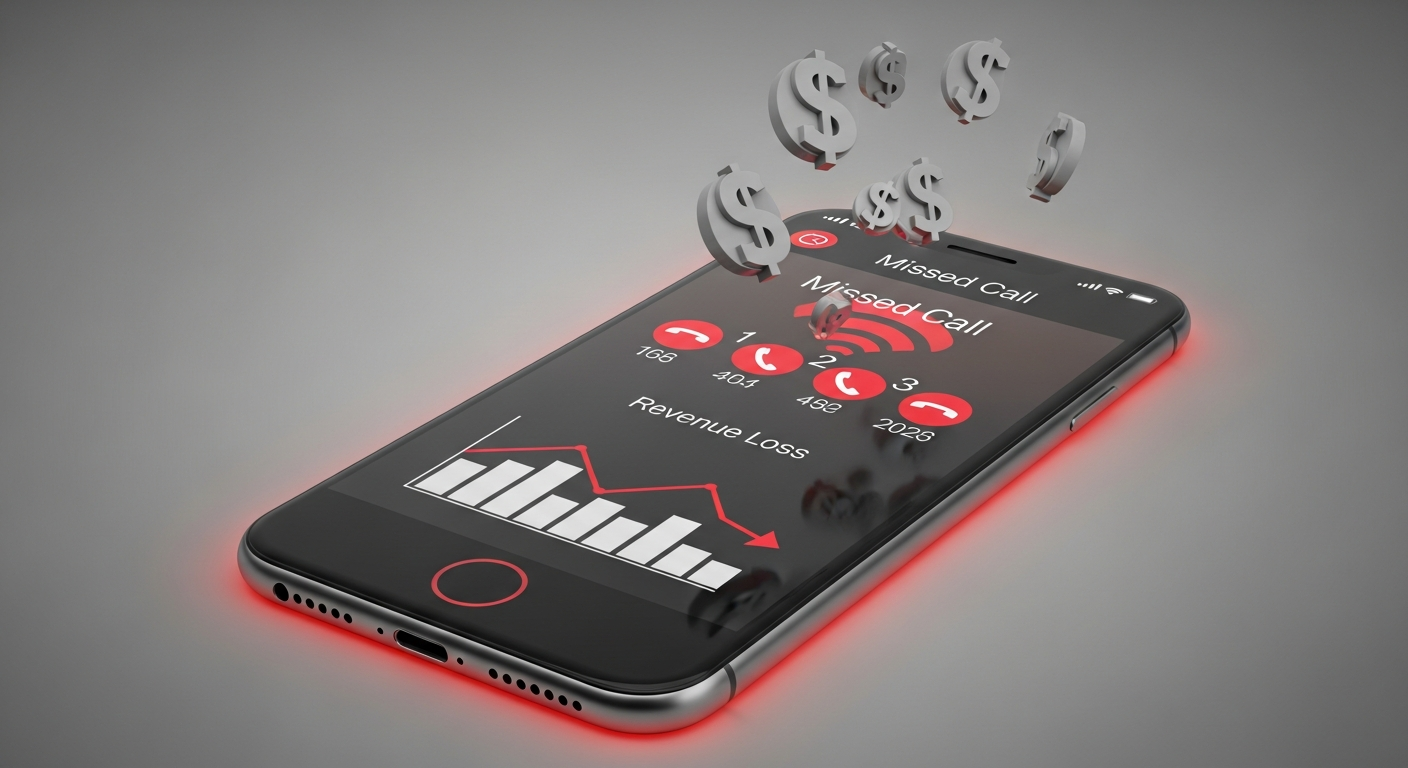
For intake-focused firms, call analytics can directly impact revenue. If you know that 30% of calls go unanswered between noon and 1 PM, you can adjust staffing to capture those leads.
The Bottom Line
Your phone system is not just infrastructure. It is a client experience tool, a compliance tool, and a revenue tool. The right features can help your firm capture more leads, protect client data, and operate more efficiently.
For a comprehensive overview of how modern phone systems serve professional firms, visit our guide on business phone systems for professional services.