
VoIP vs Traditional Phone Systems for Professional Offices
VoIP vs Traditional Phone Systems for Professional Offices
If your firm is still running on a traditional phone system with copper lines, a PBX box in the closet, and a maintenance contract that costs more than some of your software subscriptions, it is time to have a conversation about VoIP.
VoIP (Voice over Internet Protocol) sends your phone calls over the internet instead of through traditional phone lines. It is not new technology. Businesses have been using it for over a decade. But many professional services firms, especially smaller ones, have been slow to make the switch because the old system still works. And it does still work. It just works worse than the alternative in almost every measurable way.
The Basics: How Each System Works
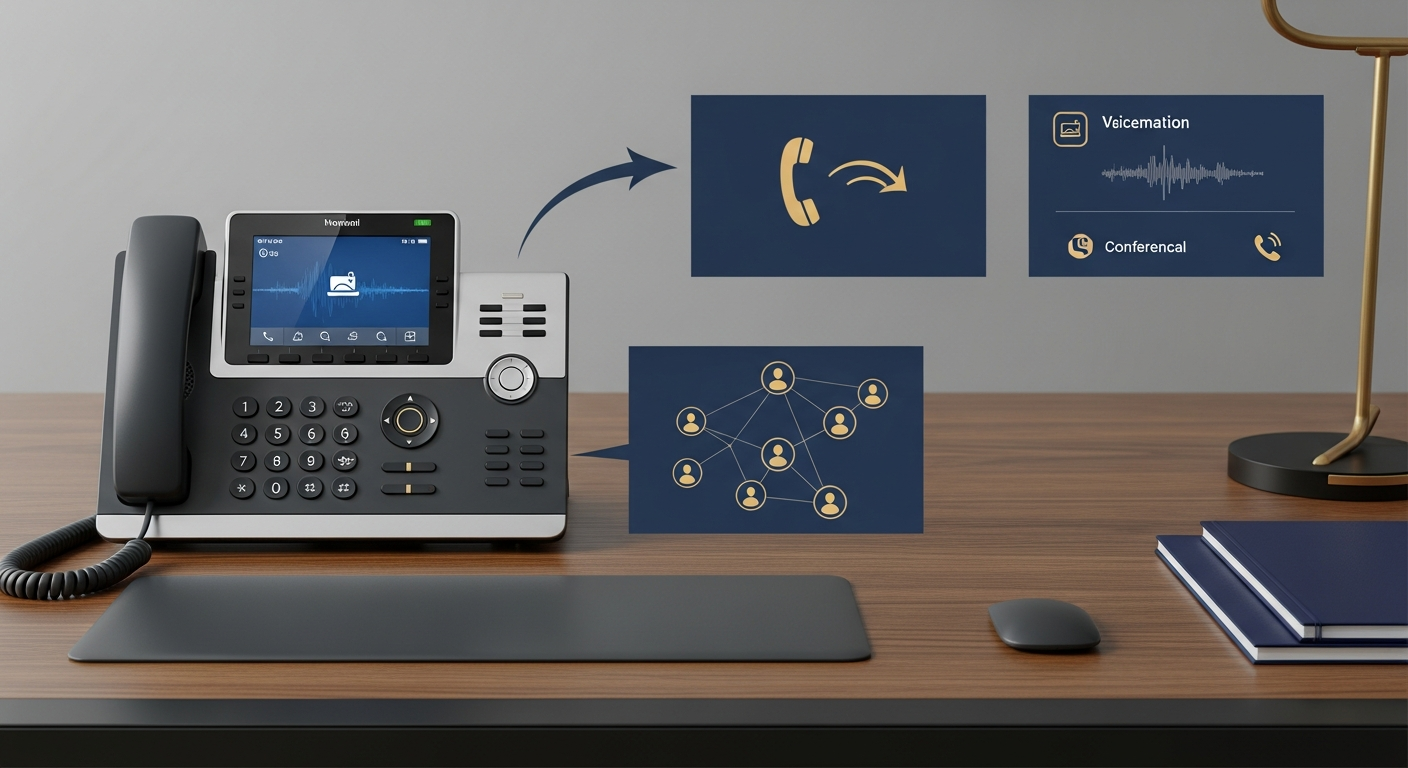
Traditional phone systems (often called PSTN or landline systems) use dedicated copper wiring to transmit voice signals. In most office setups, these lines connect to a PBX (Private Branch Exchange) box that handles internal routing, extensions, and voicemail. This hardware sits in your office, needs periodic maintenance, and eventually needs to be replaced.
VoIP systems convert voice into digital packets and send them over your internet connection. The "PBX" is in the cloud, managed by your provider. Your desk phones (if you even use desk phones) connect to your network, and most features are configured through a web portal.
Cost Comparison
This is where VoIP wins decisively.
Traditional systems require significant upfront hardware investment. A PBX system for a 10-person office can cost $5,000 to $15,000 installed, plus monthly line charges of $30 to $50 per line. Maintenance contracts add another $100 to $300 per month. Long-distance and international calls are billed per minute.
VoIP systems typically cost $20 to $40 per user per month with no upfront hardware costs (most providers include or lease desk phones). Long-distance is usually included. International rates are a fraction of traditional costs. There is no PBX hardware to maintain, cool, or replace.
For a 10-person firm, the annual savings often exceed $5,000 to $10,000.
Feature Comparison
Traditional phone systems offer basic features: call transfer, hold, conference calling, voicemail. Anything beyond that usually requires additional hardware or service add-ons.
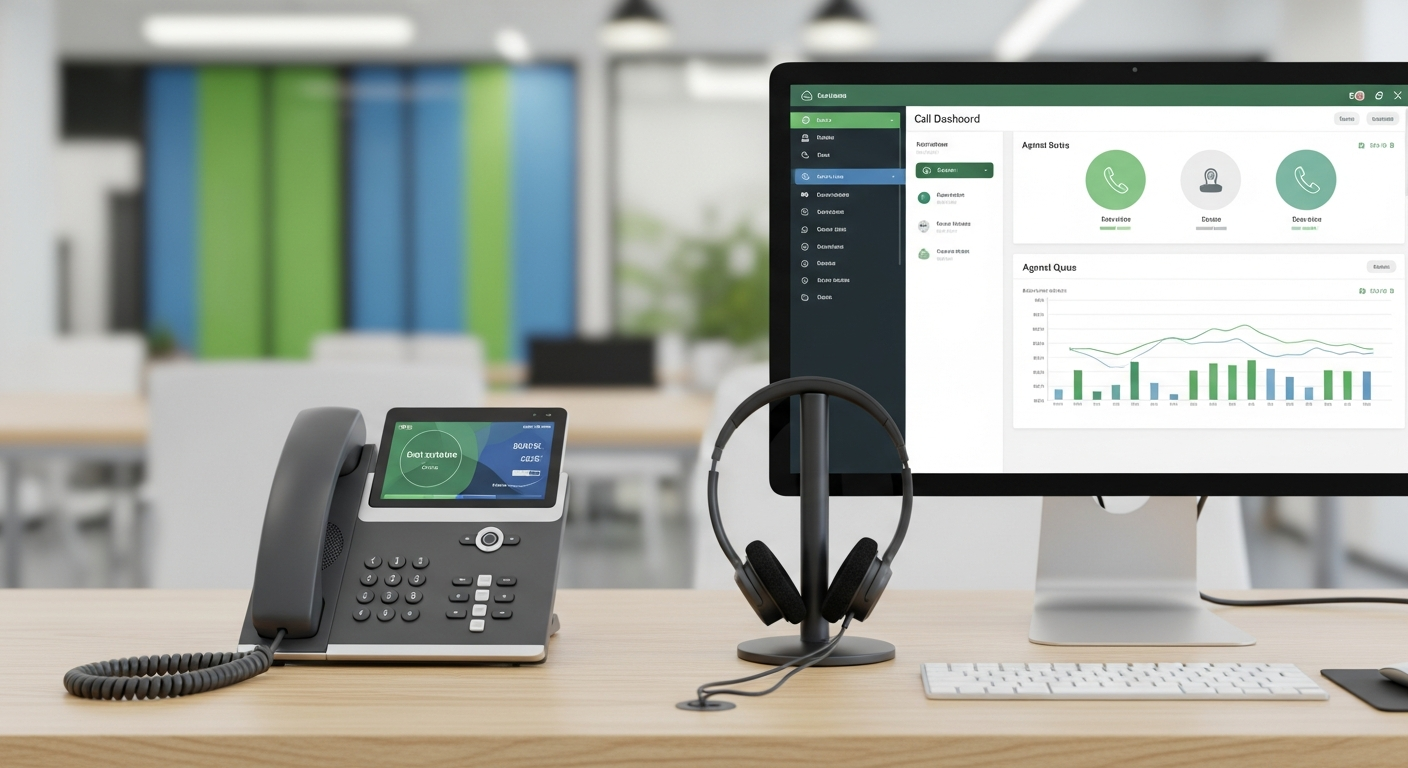
VoIP systems include a long list of features as standard. Auto-attendant for professional call routing, voicemail-to-email with transcription, call recording and storage, mobile apps that let you use your business number from anywhere, video conferencing, team messaging, presence indicators showing who is available, call analytics and reporting, and integration with CRM and practice management tools.
These are not premium add-ons. They are included in most standard VoIP plans.
Reliability and Call Quality
This used to be the traditional system's strongest argument. Copper lines are reliable. They work during power outages. Call quality is consistent.
But the gap has closed dramatically. Modern VoIP systems deliver call quality that is indistinguishable from traditional lines when running on a decent internet connection. Most business internet connections today have more than enough bandwidth to handle dozens of simultaneous VoIP calls.
For power outages, VoIP systems automatically forward calls to mobile phones or alternate locations. Your callers never know the difference. Traditional systems just go dead until power is restored (unless you have a backup generator).
Scalability
Adding a line to a traditional phone system means calling your provider, scheduling an installation, and waiting. It might take days or weeks. Removing a line means continuing to pay for it until your contract allows a change.
Adding a user to a VoIP system takes about five minutes through a web portal. You can add temporary users during busy seasons and remove them when things slow down. For accounting firms that need to scale up during tax season, this flexibility is invaluable. For more on this, see our article on best VoIP phone systems for accounting firms.
Remote and Hybrid Work Support
This is where traditional systems fall apart completely. They are designed for people sitting at desks in an office. If your attorneys, CPAs, or consultants work from home, visit client sites, or travel, a traditional phone system offers them nothing.
VoIP systems include mobile and desktop apps that let your team make and receive calls from anywhere using the firm's business number. Clients see your office number on caller ID regardless of where the call is actually answered. This is essential for modern professional firms.
Security Considerations
Both systems have security considerations. Traditional lines can be tapped, though this is rare. VoIP calls can potentially be intercepted if not properly encrypted.
Good VoIP providers use TLS and SRTP encryption for all calls, making interception extremely difficult. They also offer features like role-based access controls, secure voicemail, and compliance-friendly recording storage that traditional systems simply do not provide.
For firms concerned about voice communication security, read our article on voice AI security for professional firms.
The Migration Question
The most common reason firms stick with traditional phones is inertia. The old system works, and switching feels risky and disruptive. But modern VoIP migrations are well-understood processes. You can port your existing phone numbers (so clients do not have to update their contacts), run both systems in parallel during the transition, and complete the switch with minimal disruption.
For a step-by-step walkthrough, read our article on how to move your office phone system to the cloud.
Which Should You Choose?
If you are starting a new firm, VoIP is the obvious choice. There is no reason to invest in traditional phone infrastructure in 2025 or beyond.
If you are running an existing firm on a traditional system, the question is not whether to switch, but when. If your current system is approaching end-of-life, if you are opening a new office, if you are struggling with remote work support, or if your phone bill feels unreasonably high, now is a good time.
For a complete overview of phone system options, visit our guide on business phone systems for professional services.