
Why Professional Services Firms Still Lose Revenue From Missed Calls
Why Professional Services Firms Still Lose Revenue From Missed Calls
Here is a number that should make every firm owner uncomfortable: the average small professional services firm misses between 20% and 40% of incoming calls during business hours. Not after hours. During business hours.
Each one of those missed calls could be a new client, a referral, or an existing client with an urgent need. And most of them never call back. They call the next firm on their list. The revenue loss is real, measurable, and almost entirely preventable.
The Math on Missed Calls
Let us do some quick math. Say your firm receives 50 calls per day. If you miss 25% of them, that is roughly 12 missed calls daily. If even 3 of those are prospective clients, and your average client is worth $3,000 per year, you are looking at $9,000 per day in potential lost revenue. Over a month, that adds up to more than $180,000.
Obviously not every missed call is a new client opportunity. But the point stands: missed calls are expensive, and most firms have no idea how many they are missing.
Why Firms Miss Calls
The reasons are predictable, but that does not make them less frustrating.
Staff Is Already on the Phone
Your receptionist can only answer one call at a time. When multiple calls come in simultaneously, some go to voicemail. During busy periods like tax season for accounting firms or trial prep for law firms, this happens constantly.
Lunch Hours and Breaks
Someone has to eat. If your receptionist takes lunch from noon to 1 PM and you do not have backup coverage, every call during that hour goes unanswered. Ironically, the lunch hour is often one of the busiest calling periods because that is when your clients are also on their breaks.
After-Hours Calls
Many prospective clients research and call firms outside of traditional business hours. They are at home in the evening, finally getting around to that thing they have been putting off. If your phone goes to a generic voicemail greeting at 5:01 PM, you have lost them. For strategies to capture these calls, see our article on how to stop after-hours calls from becoming lost business.
No Overflow Routing
When all lines are busy, calls should go somewhere. An overflow queue, an answering service, a backup team member. But many firms have no overflow plan at all. The caller hears ringing, then voicemail, then gives up.
Outdated Phone Systems
Legacy phone systems were not designed for the call volumes and routing complexity that modern firms need. They do not have queue management, call-back options, or intelligent routing. If your phone system is more than five years old, it is probably costing you clients. Consider reading our comparison of VoIP vs traditional phone systems for professional offices.
The Client Experience Problem
Missed calls are not just a revenue problem. They are a reputation problem. When a potential client calls your firm and nobody answers, they form an instant impression. And that impression is not good.
Think about it from their perspective. They have a legal issue, a tax problem, or a financial question. They are stressed. They finally picked up the phone to call a professional. And they get voicemail. Their next step is not to leave a message and wait. Their next step is to Google another firm and call them instead.
Studies show that fewer than 20% of callers who reach voicemail actually leave a message. The rest hang up and move on.
What You Can Do About It
Implement Intelligent Call Routing
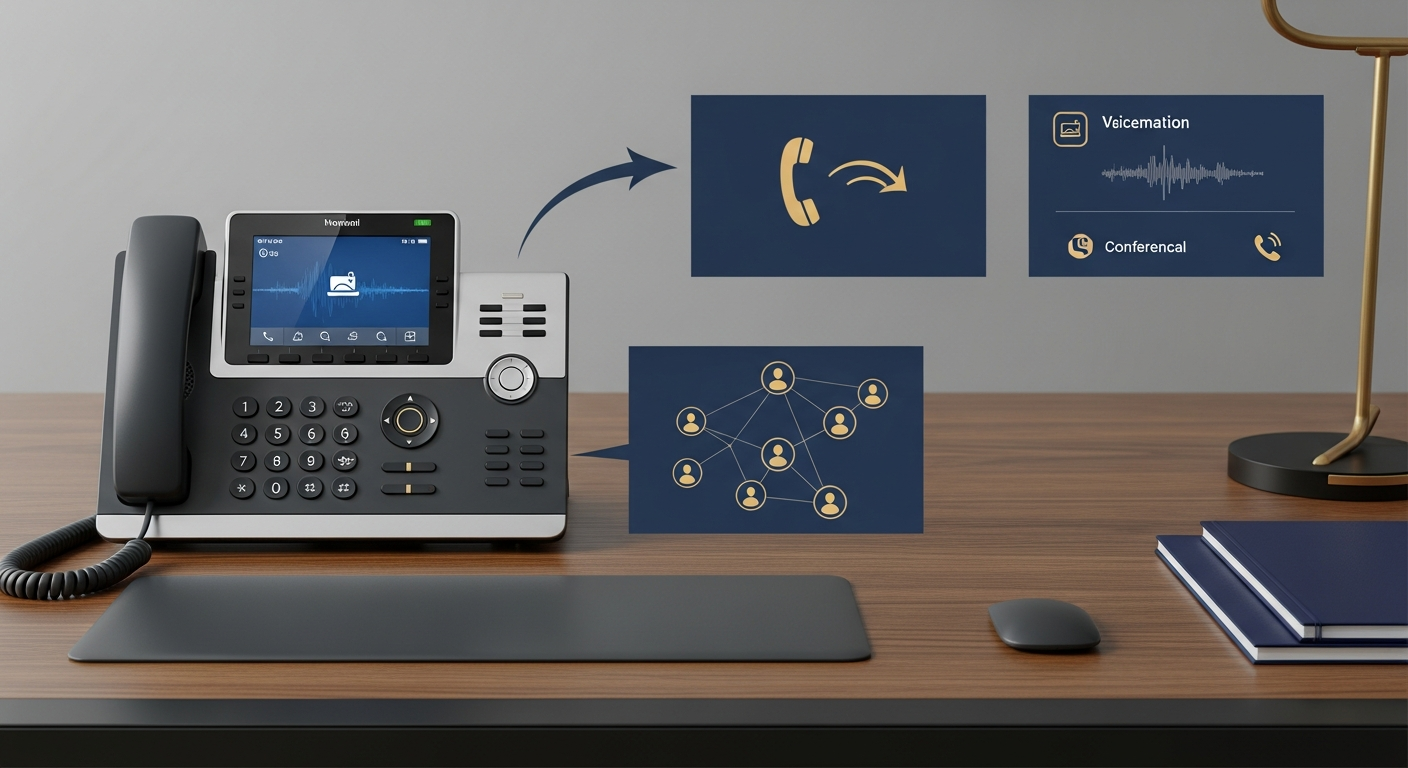
Modern VoIP systems can route calls based on time of day, caller history, and staff availability. If your receptionist is on a call, the next incoming call automatically goes to a backup person. If everyone is busy, the caller enters a short queue with a message letting them know their call will be answered shortly. For multi-location firms, check out our guide on how to set up call routing for multi-office firms.
Add an AI Receptionist
AI receptionists can answer calls, collect basic information, schedule appointments, and route callers to the right person. They never take a lunch break, never call in sick, and can handle multiple calls simultaneously. They are not a replacement for human receptionists, but they are an excellent backup. Learn more in our article on how AI receptionists help small firms capture more leads.
Use Call Analytics to Identify Gaps
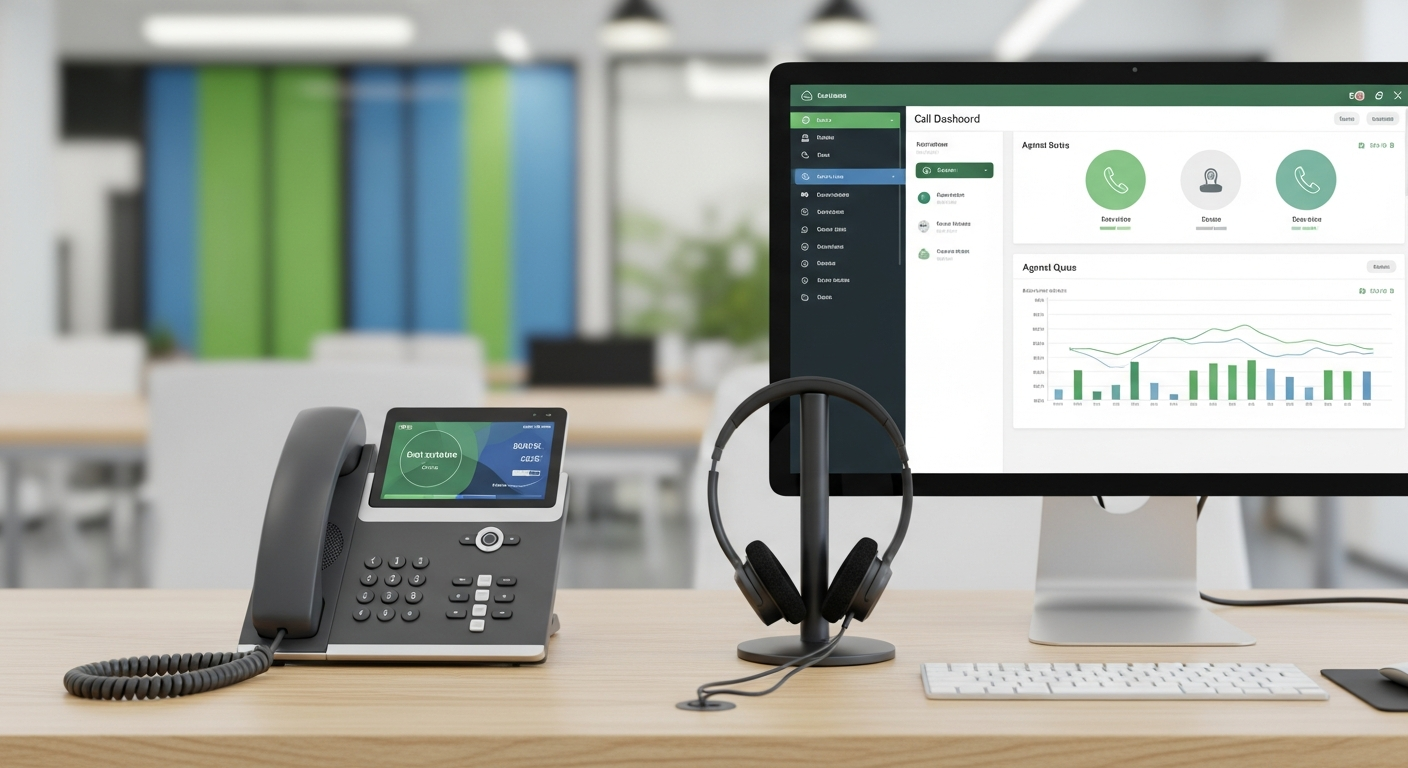
You cannot fix what you cannot see. Modern phone systems provide detailed analytics on call volume by hour, missed call rates, average hold times, and response times. Use this data to identify your problem areas and staff accordingly.
Set Up After-Hours Handling
At minimum, your after-hours greeting should tell callers when you will return their call and offer an alternative way to reach you (like a website form or email). Better yet, route after-hours calls to an answering service that can collect basic information and schedule callbacks.
Train Your Team
Make sure everyone in your office knows how to use the phone system properly. Transfers, holds, conference calls, voicemail setup. A surprising number of missed calls happen because someone put a caller on hold and forgot about them, or transferred to the wrong extension.
The Takeaway
Missed calls are not inevitable. They are a systems problem, and systems problems have systems solutions. The right phone setup, combined with smart routing and adequate staffing, can capture the vast majority of calls that most firms are currently losing.
For a comprehensive look at modern phone solutions, visit our guide on business phone systems for professional services.