How to Stop After-Hours Calls From Turning Into Lost Business
How to Stop After-Hours Calls From Turning Into Lost Business
Your office closes at 5 PM. Your clients' problems do not.
Every evening, prospective clients sit at their kitchen tables, finally dealing with the tax issue, the legal question, or the business problem they have been putting off all day. They search online, find your firm, and pick up the phone. If nobody answers, most of them do not leave a message. They call the next firm on their list.
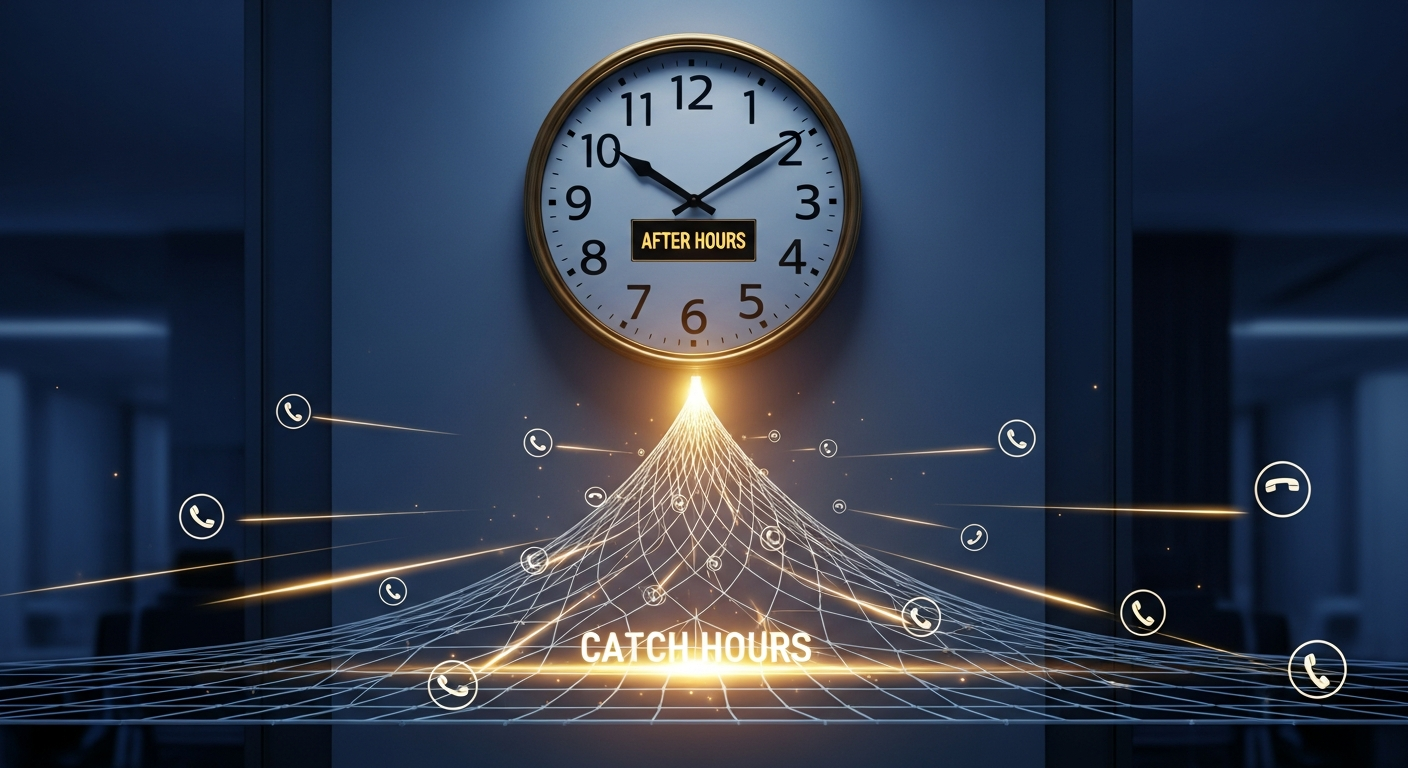
After-hours calls are not just stragglers and wrong numbers. They are often high-intent prospects who are ready to take action. Capturing these calls can significantly impact your firm's revenue without requiring your team to work around the clock.
The After-Hours Opportunity
Studies consistently show that a significant percentage of calls to professional services firms come outside of traditional business hours. The exact number varies by practice area, but it is common for 25-35% of all incoming calls to arrive before 8 AM, after 5 PM, or on weekends.
For law firms, especially those handling personal injury, criminal defense, or family law, evening calls often come from people dealing with urgent situations. They cannot wait until tomorrow. For accounting firms during tax season, clients call whenever they have a free moment, which is often in the evening.
These callers are not tire-kickers. They are people who have already decided they need professional help. They just need to connect with someone who can provide it.
Why Voicemail Does Not Work
Let us be honest about voicemail. It is where leads go to die.
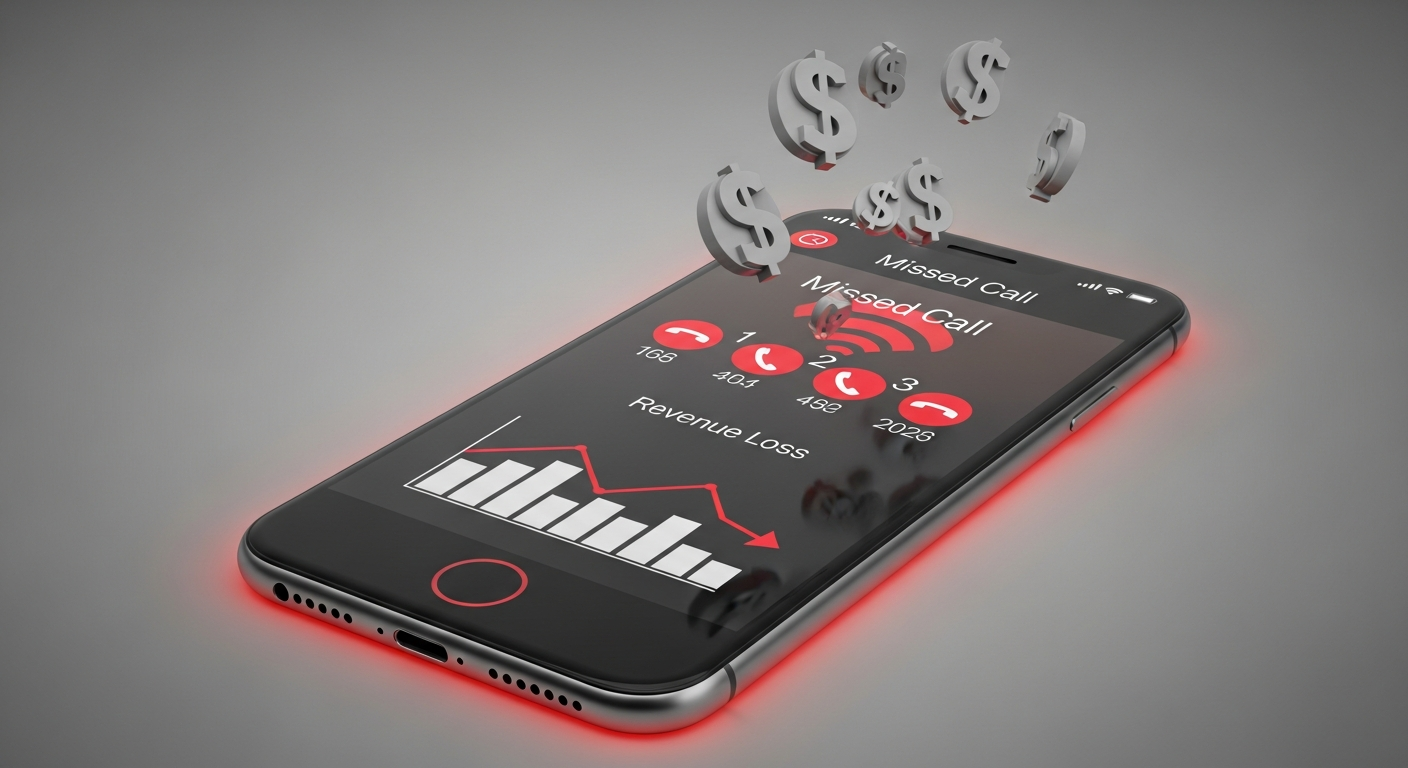
The statistics are stark: fewer than 20% of callers who reach a business voicemail leave a message. The other 80% hang up. Some of them call back the next day. Most do not. They find another firm that answered their call.
Even when someone does leave a message, the follow-up is often delayed. Your team arrives at 8:30 AM, checks voicemail at 9, and returns the call at 10. By then, the prospect may have already spoken to a competitor.
A voicemail greeting that says "We are currently closed. Please call back during business hours" might as well say "We do not want your business badly enough to figure out how to answer the phone outside of 9 to 5."
Strategy 1: AI Receptionist Coverage
An AI receptionist is the most cost-effective solution for after-hours call handling. It answers every call, every time, with a professional greeting. It can collect caller information, ask qualifying questions, provide basic information about your firm and services, check your calendar and schedule appointments, and send your team a summary of each call.
Modern AI receptionists sound natural and handle most routine interactions smoothly. They cost a fraction of live answering services and work 24/7/365 without overtime.
For a detailed look at AI receptionist capabilities, read our article on how AI receptionists help small firms capture more leads.
Strategy 2: Live Answering Service
If you want a human answering your after-hours calls, a live answering service is the way to go. These services employ trained receptionists who answer on behalf of your firm, following scripts you provide.
Live services cost more than AI solutions, typically $0.75 to $2.00 per minute, but they offer the warmth and flexibility that some callers prefer. They are particularly effective for practice areas where callers are often emotionally distressed and benefit from speaking with a compassionate person.
The best live services can also schedule appointments, transfer urgent calls to an on-call team member, and integrate with your CRM to log caller information automatically.
Strategy 3: Smart Call Forwarding
Some firms designate team members as on-call for after-hours calls. The phone system forwards calls to the on-call person's mobile phone on a rotating schedule. This ensures a knowledgeable team member answers, but it comes with trade-offs. Your team needs to be willing to take calls outside of work hours, you need clear guidelines about what constitutes an urgent call, and burnout is a real risk if the same people are always on call.
If you use this approach, set boundaries. Forward only calls that meet specific criteria, such as calls from new prospective clients, while sending routine calls to voicemail or an AI receptionist.
Strategy 4: After-Hours Web Chat and Forms
Not every after-hours interaction needs to be a phone call. Many callers would be happy to submit their information through a website form or chat widget if the option were available.
Add a prominent call-to-action on your website that is visible during evening hours. Something like "Need help after hours? Fill out our form and we will call you first thing in the morning." Make the form simple. Name, phone number, email, and a brief description of their need.
Website chat widgets with AI or live operators can also capture after-hours leads effectively. The key is responsiveness. If someone submits a form at 8 PM, call them by 8:30 AM the next morning.
Strategy 5: Custom After-Hours Greetings
If you cannot implement any of the above solutions immediately, at minimum update your after-hours voicemail greeting. A bad greeting says "You have reached [firm name]. Our office hours are 8 AM to 5 PM. Please leave a message."
A better greeting says "Thank you for calling [firm name]. While our office is currently closed, your call is important to us. Please leave your name, number, and a brief description of how we can help, and a team member will return your call by 9 AM tomorrow morning. If you prefer, you can also reach us through our website at [URL] or email us at [address]."
The better greeting acknowledges the caller, sets a clear expectation for a callback, and provides alternative ways to connect.
Building an After-Hours Playbook
Whatever combination of strategies you choose, document it. Create an after-hours playbook that specifies what happens when a call comes in after hours, who is notified when a high-priority lead is captured, what the callback timeline is for different types of inquiries, and how after-hours leads are tracked and followed up on.
Review this playbook quarterly and adjust based on what the data shows.
Measuring the Impact
Track these metrics to understand whether your after-hours strategy is working: the number of after-hours calls received, the percentage captured versus sent to voicemail, the number of after-hours leads that convert to clients, revenue attributable to after-hours lead capture, and average response time for after-hours inquiries.
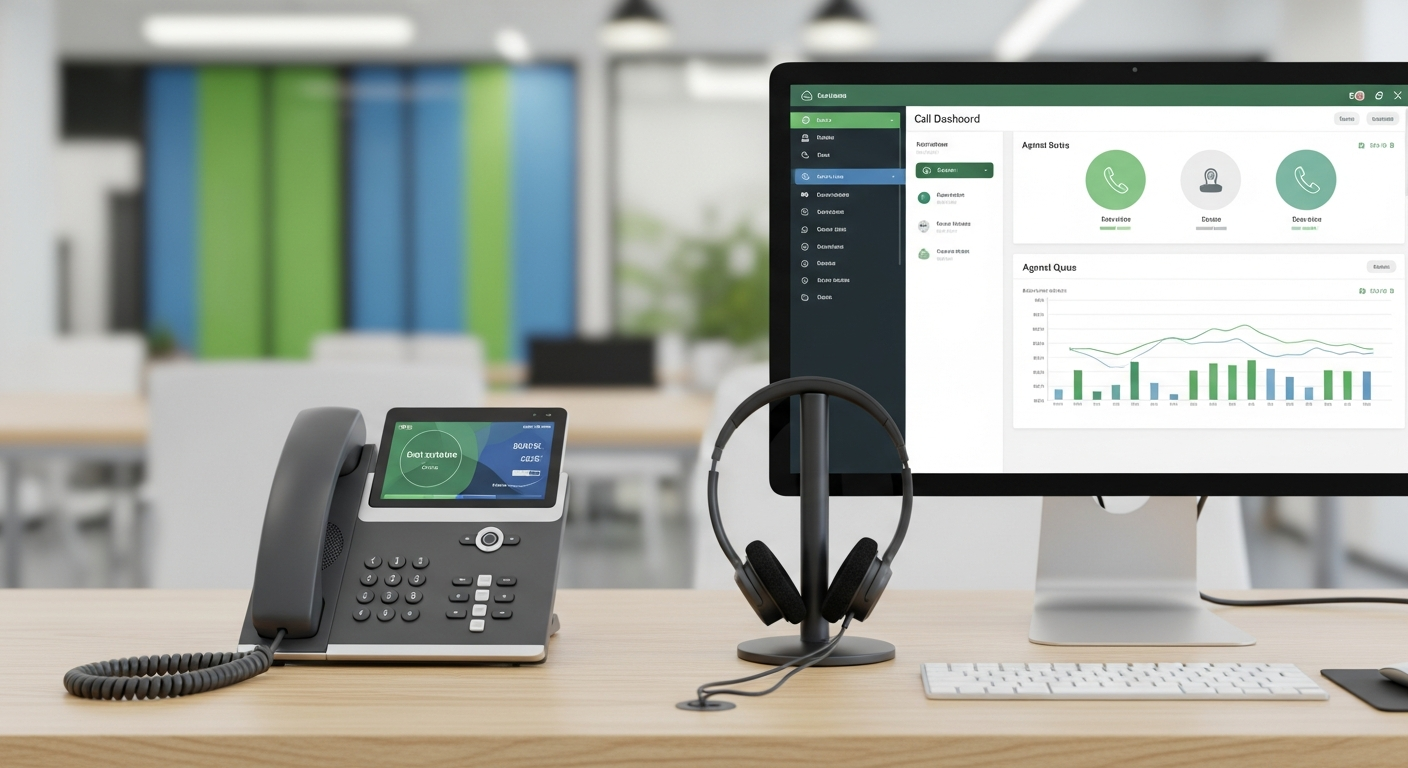
Most VoIP systems provide reporting that makes this tracking straightforward. For more on leveraging phone system data, see our article on how call recording and analytics improve intake.
The Bottom Line
After-hours calls are not an inconvenience. They are an opportunity. The firms that figure out how to capture them will consistently outperform competitors who let their phones ring to voicemail every evening at 5:01 PM.
For a comprehensive overview of modern phone systems, visit our guide on business phone systems for professional services.