How Call Recording and Analytics Improve Intake and Client Experience
How Call Recording and Analytics Improve Intake and Client Experience
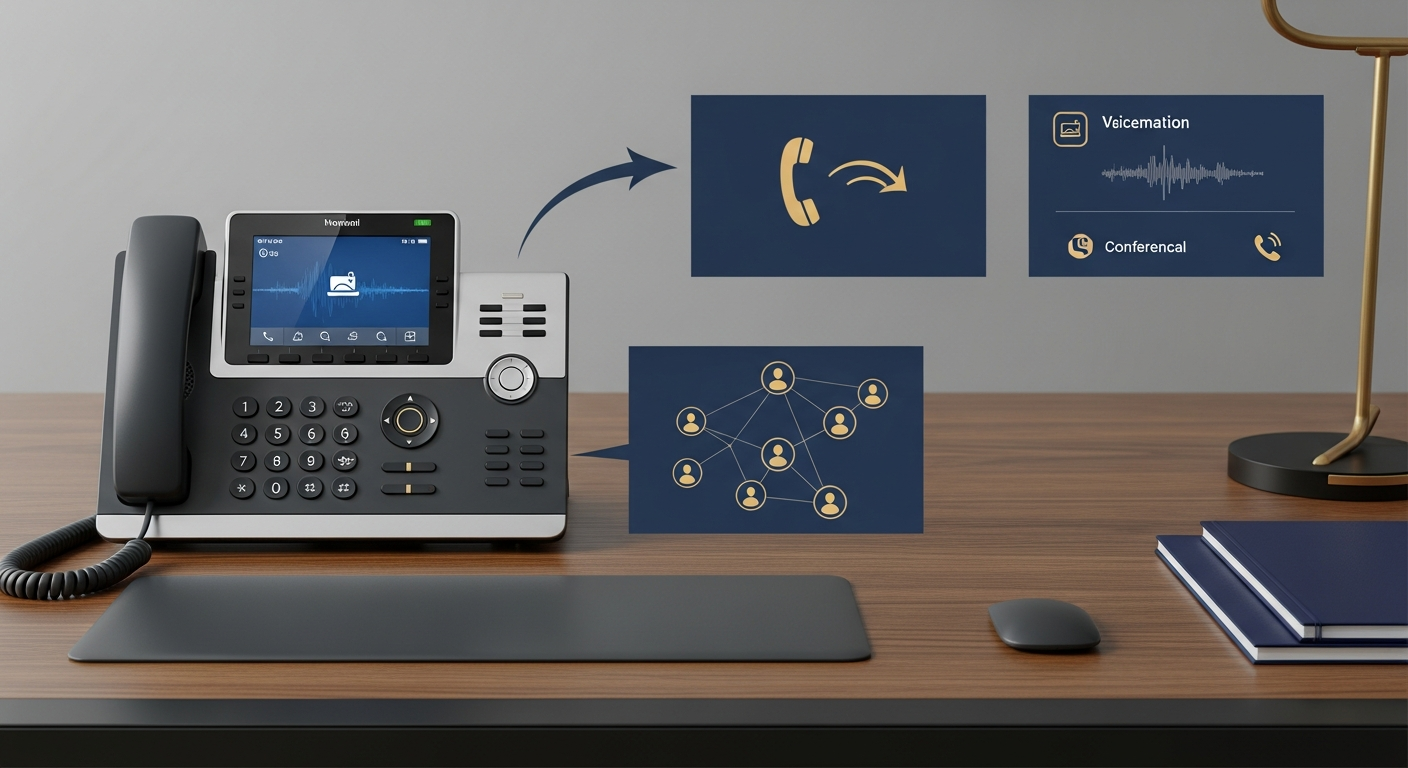
Most professional services firms treat their phone system as plumbing. It is there, it works, and nobody thinks about it until something breaks. But buried in your call data is a goldmine of information about how your firm handles clients, where leads fall through the cracks, and why some team members convert prospects at twice the rate of others.
Call recording and analytics turn your phone system from dumb infrastructure into a strategic tool. Here is how.
The Intake Problem
Client intake is the single most important process in most professional services firms. It is where first impressions are made, expectations are set, and the client relationship begins. It is also where most firms lose the most money.
Consider what happens when a prospective client calls your firm for the first time. They might reach a receptionist, an intake coordinator, an auto-attendant, or voicemail. The quality of that first interaction varies wildly depending on who answers, what time of day it is, and how busy the office is.
Without call recordings, you have no visibility into these interactions. You do not know whether your intake team is asking the right questions, providing accurate information, or following your established process. You are flying blind.
What Call Recording Reveals
When you start recording and reviewing intake calls, patterns emerge quickly.
You will discover which team members are great at building rapport and which ones rush through calls. You will hear whether your intake team is collecting all the necessary information or skipping steps. You will find out if callers are being put on hold too long, transferred too many times, or given inconsistent information.
You will also hear the questions that prospective clients ask most frequently. These questions tell you what information should be on your website, in your auto-attendant greeting, and in your intake team's script.
Training and Quality Improvement
Call recordings are the most effective training tool for intake teams. Instead of telling new hires how to handle calls, you can show them. Pull up recordings of excellent calls and walk through what made them work. Share examples of calls that went sideways and discuss what could have been done differently.
For ongoing quality improvement, review a random sample of calls each month. Create a simple scorecard that evaluates key elements like greeting professionalism, information gathered, questions answered, next steps communicated, and overall caller experience. Over time, this process raises the bar for everyone.
Analytics That Matter
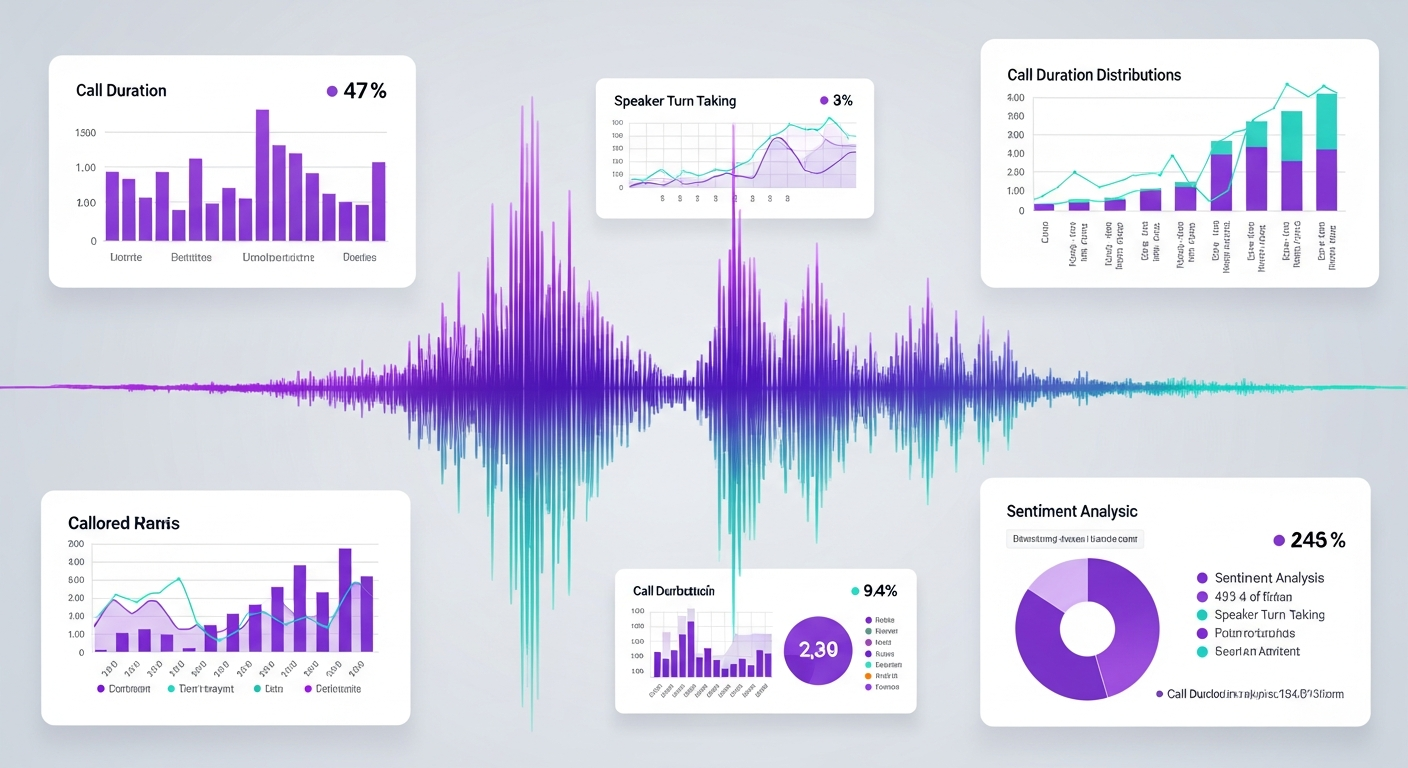
Call analytics go beyond recording. They give you aggregate data about your firm's phone operations. Here are the metrics that matter most for professional firms.
Missed Call Rate
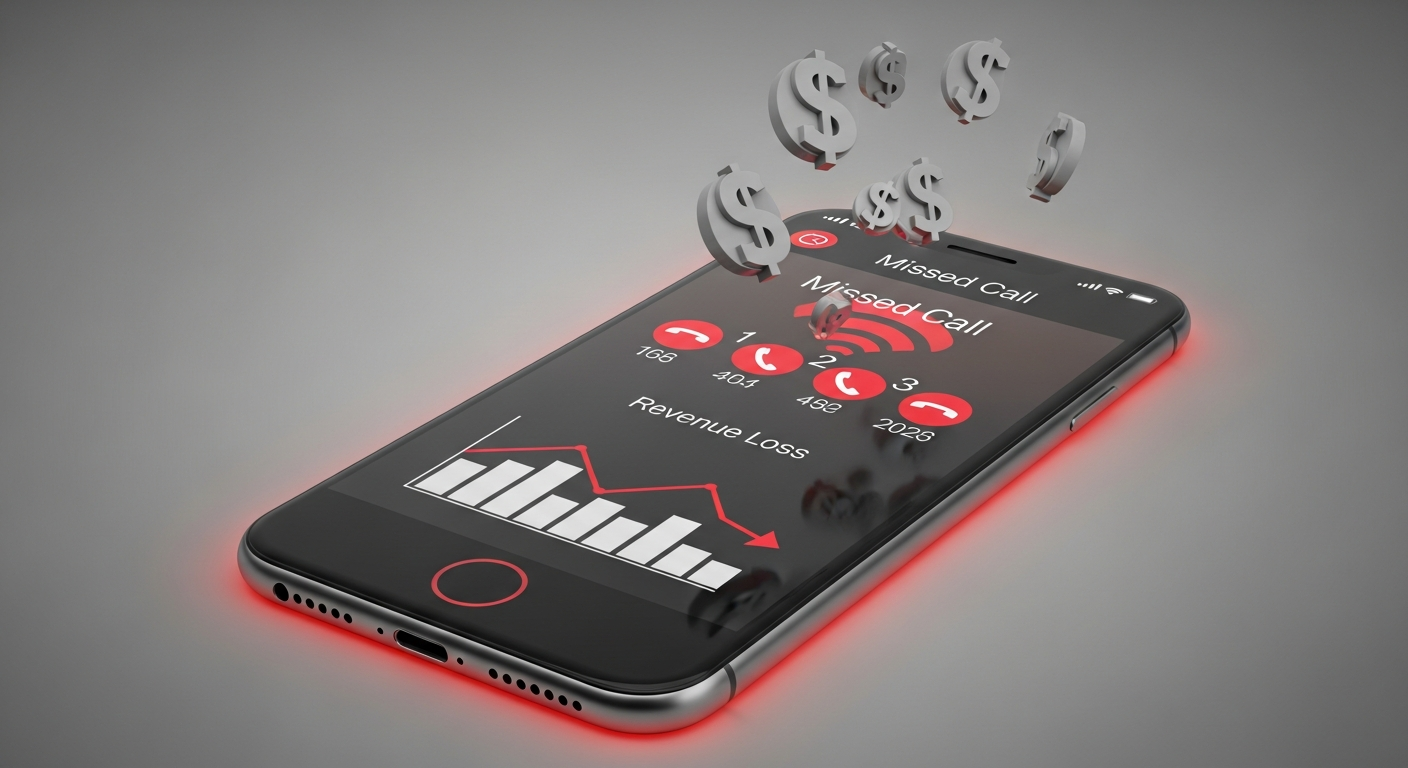
This is the percentage of incoming calls that go unanswered. For most firms, the acceptable rate is below 10%. If you are above that, you are losing leads. Period. If your missed call rate is high, read our article on why professional services firms lose revenue from missed calls for strategies to bring it down.
Average Speed to Answer
How long does it take for your team to pick up the phone? Research shows that caller satisfaction drops significantly after 20 seconds of ringing. If your average speed to answer is above 15 seconds, you have a staffing or routing problem.
Call Volume by Hour and Day
Understanding your call patterns helps you staff appropriately. Most firms see peaks in the morning (9-11 AM) and early afternoon (1-3 PM). Knowing your specific patterns lets you ensure coverage during high-volume periods.
Average Call Duration
For intake calls, duration is an indicator of thoroughness. If your average intake call is under 3 minutes, your team might be rushing. If it is over 15 minutes, they might be spending too long on calls that should be shorter. The sweet spot depends on your practice area, but tracking the trend helps you identify issues.
First Call Resolution Rate
How often is a caller's issue resolved on the first call? For intake, this means: did the caller schedule an appointment, get their question answered, or get connected to the right person? High first-call resolution correlates with higher conversion rates and better client satisfaction.
Using Data to Improve Conversion
Here is where analytics become directly tied to revenue. By tracking which calls convert to clients and which do not, you can identify what separates successful intake calls from unsuccessful ones.
Maybe you find that calls answered within 10 seconds convert at 40%, while calls answered after 30 seconds convert at only 15%. That data justifies hiring additional front desk staff.
Maybe you discover that one intake coordinator converts prospects at twice the rate of another. By listening to their calls, you can identify what they are doing differently and train the rest of the team accordingly.
Compliance and Risk Management
For law firms, accounting firms, and other regulated professionals, call recordings provide a compliance safety net. If a client disputes what was discussed, you have a record. If a regulatory body questions your practices, you have documentation.
Make sure your recording practices comply with applicable laws. Some states require all-party consent, meaning you must inform the caller that the call is being recorded. Most VoIP systems can automate this with a pre-call disclosure message.
Implementation Best Practices
When implementing call recording and analytics, start by deciding what to record. Some firms record all calls. Others record only intake calls or calls with specific departments. Establish a clear retention policy. How long will you keep recordings? Who has access to them? How are they stored securely?
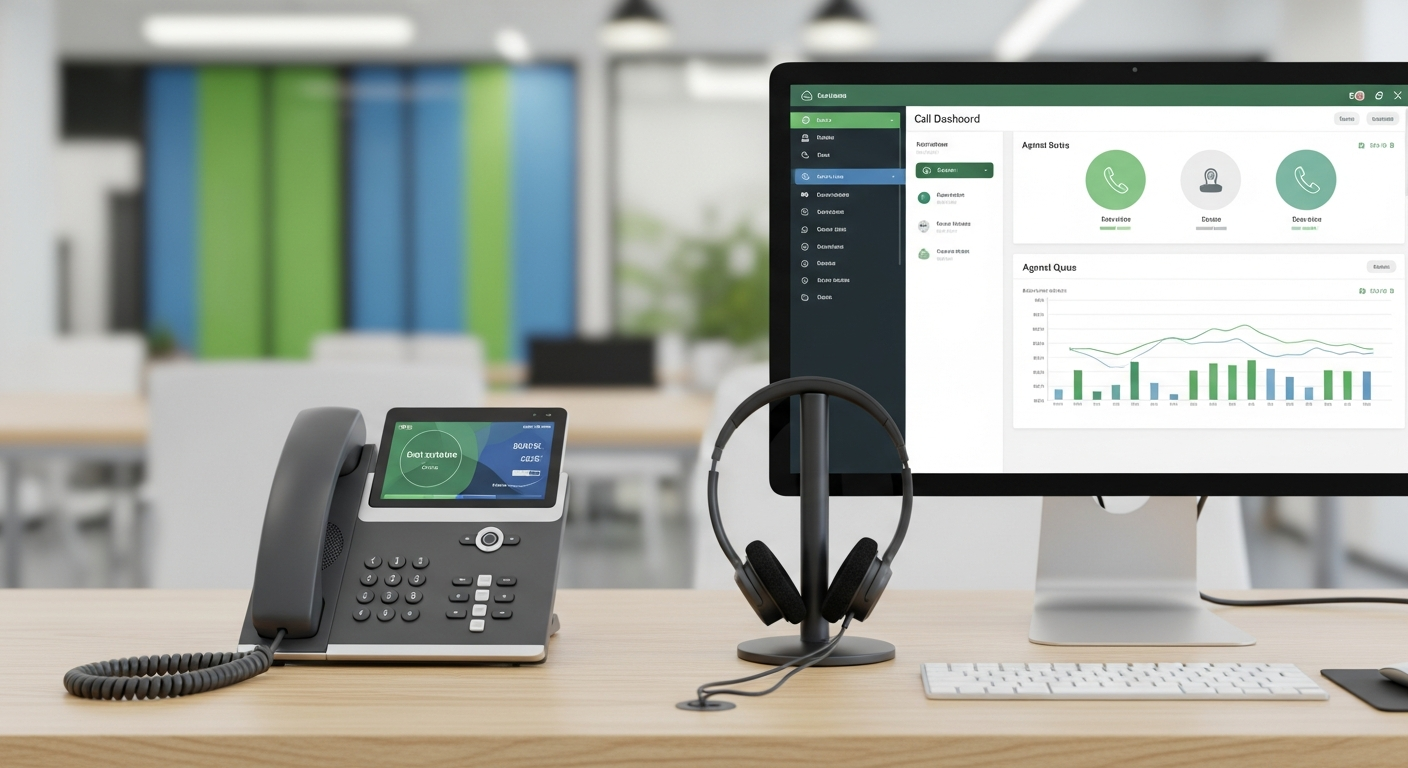
Set up regular review cycles. Commit to reviewing a set number of calls per week or month. Without regular review, recordings just accumulate without providing value. Use the analytics dashboard daily. Make it part of your morning routine to check yesterday's call metrics. Trends are easier to spot when you are looking at the data regularly.
Technology Requirements
Most modern VoIP systems include call recording and basic analytics as standard features. For more advanced analytics, some providers offer premium tiers or integrations with specialized call analytics platforms.
The key features to look for include automatic call recording with easy playback, voicemail transcription, real-time and historical reporting dashboards, customizable reports and exports, and integration with your CRM or practice management system. If you are evaluating phone systems more broadly, our article on what to look for in a business phone system covers the full feature set you should be considering.
The Bottom Line
Your phones are generating data every day. Call recording and analytics let you capture that data and use it to improve intake, train staff, and deliver better client experiences. The firms that pay attention to this data outperform the ones that treat their phones as dumb utilities. If you are struggling with after-hours coverage specifically, check out our piece on stopping after-hours calls from becoming lost business.
For a comprehensive look at phone system options, visit our guide on business phone systems for professional services.