
Voice AI Security: Is It Safe for Law, Accounting, and Advisory Firms?
Voice AI Security: Is It Safe for Professional Firms?
Voice AI is showing up everywhere in professional services. AI receptionists answer calls. AI transcription services turn meetings into searchable text. AI analytics tools analyze call patterns and sentiment. Voice-activated assistants help professionals work hands-free.
These tools offer genuine productivity benefits. They also raise genuine security questions. When your firm handles confidential client data, every tool that touches that data needs scrutiny. Voice AI is no exception.
What Voice AI Tools Are We Talking About?
The voice AI landscape for professional firms includes several categories.
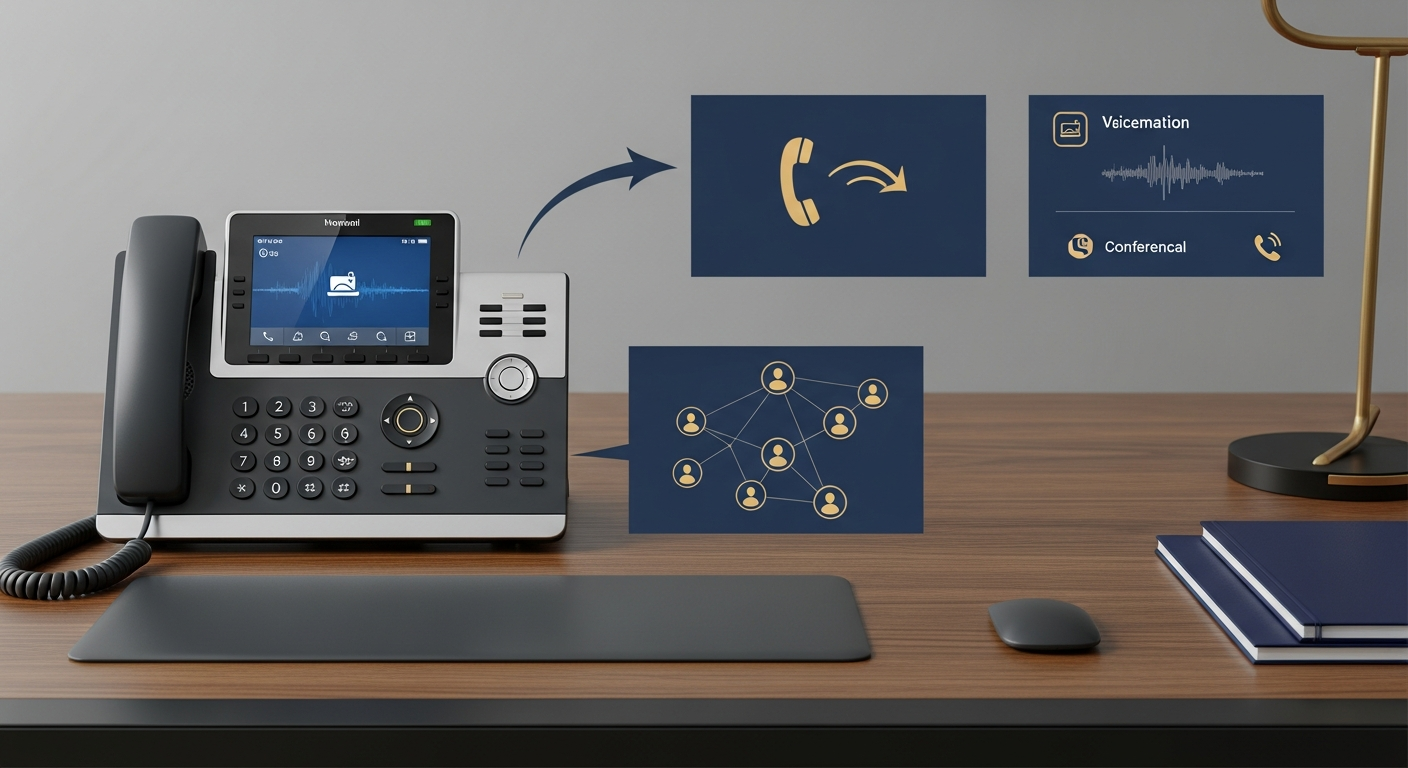
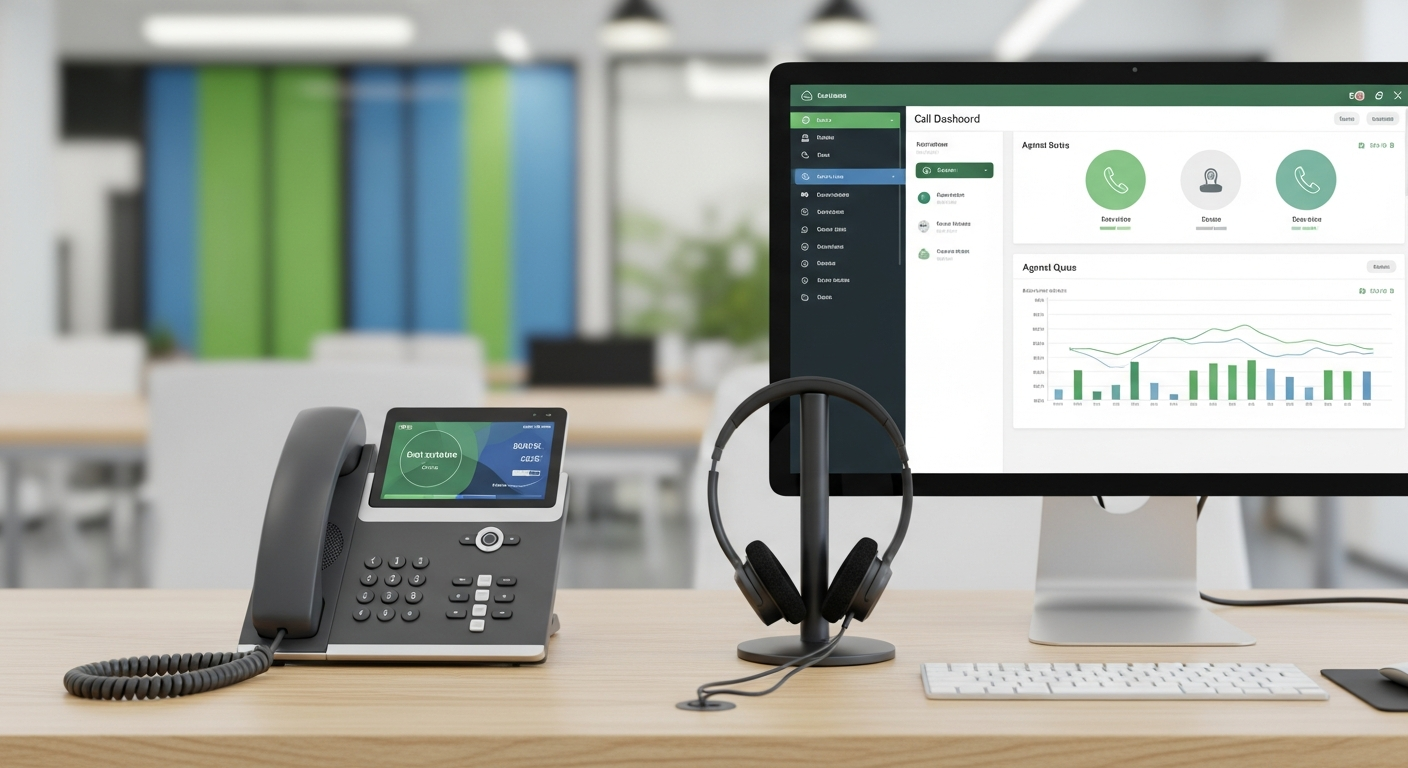
AI receptionists and virtual assistants answer incoming calls, collect information, route callers, and schedule appointments. AI transcription services convert phone calls, meetings, and voicemails into text. AI call analytics platforms analyze call recordings for insights like sentiment, topics discussed, and compliance keywords. Voice-to-text features built into VoIP systems and meeting platforms provide real-time transcription. AI-powered IVR (Interactive Voice Response) systems use natural language understanding to route callers.
Each of these touches voice data, and voice data in a professional services context often contains sensitive information. Client names, case details, financial data, health information, and privileged communications all flow through voice channels.
The Core Security Concerns
Data Transmission
When a voice AI tool processes a call, the audio data has to get from your phone system to the AI processing engine. This transmission needs to be encrypted. Look for providers that use TLS (Transport Layer Security) for signaling and SRTP (Secure Real-time Transport Protocol) for media. If a provider cannot confirm end-to-end encryption of voice data in transit, walk away.
Data Storage and Retention
Where does the AI store your call data? For how long? Who has access? These are critical questions.
Some AI tools send audio to cloud servers for processing. That audio may be stored temporarily or permanently. It may be used to train the AI model (which means your client's words could influence the AI's future behavior with other customers). It may be accessible to the vendor's employees.
Before deploying any voice AI tool, understand exactly where data is stored, how long it is retained, whether it is used for model training, who at the vendor can access it, and how data is deleted when the retention period expires.
Third-Party Processing
Many AI tools rely on third-party APIs for processing. Your AI receptionist might use one company's speech recognition engine, another company's natural language processing, and a third company's text-to-speech for responses. Each of these sub-processors has access to your data.
Ask vendors for a list of sub-processors and evaluate each one's security practices. This is not paranoia. It is due diligence.
Compliance Implications
Professional firms operate under various compliance frameworks. Law firms have attorney-client privilege obligations. Accounting firms must comply with IRS Publication 4557 and various state regulations. All firms handling personal data may be subject to state privacy laws.
Voice AI tools must be evaluated against these compliance requirements. If a tool cannot demonstrate compliance with your specific obligations, it is not appropriate for your firm, regardless of how useful it might be.
Evaluating Voice AI Vendors
When assessing a voice AI vendor for your firm, ask these questions.
Where are your servers located? Data residency matters, especially for firms with clients in jurisdictions with strict data sovereignty requirements. Are you SOC 2 Type II certified? This certification demonstrates that the vendor has been independently audited for security controls. Do you offer a BAA (Business Associate Agreement)? If you handle any health-related information, HIPAA compliance requires this. Can you provide a data processing agreement? This document should specify exactly how your data is handled, stored, and protected. Do you use customer data to train your AI models? If yes, you need to understand the implications for client confidentiality. What happens to data when we terminate service? You need assurance that all your data will be permanently deleted. What is your breach notification process? How quickly will you notify you if your data is compromised?
For broader guidance on evaluating AI vendors, see our article on how to assess the security of AI vendors before you buy.
Best Practices for Secure Voice AI Deployment
Start With a Risk Assessment
Before deploying any voice AI tool, conduct a risk assessment specific to your firm. What types of sensitive information flow through your voice channels? What is the potential impact if that information is exposed? What are your regulatory obligations?
Implement Access Controls
Not everyone in your firm needs access to AI-generated transcripts, call recordings, or analytics. Implement role-based access controls that limit who can see what. Partners might have full access. Associates might see only their own calls. Administrative staff might have no access to recordings.
Use Your Own Infrastructure Where Possible
Some voice AI tools can be deployed on your own servers or in a private cloud environment. This gives you more control over data storage and access. On-premises deployment is more expensive and complex, but for firms handling highly sensitive information, the additional control may be worth it.
Audit Regularly
Do not set it and forget it. Regularly audit how voice AI tools are being used in your firm. Who is accessing transcripts? Are recordings being retained longer than your policy allows? Are any tools sending data to unexpected destinations?
Educate Your Team
Your team needs to understand that voice AI tools are listening and processing. They should know not to discuss highly sensitive matters in environments where AI transcription is active unless they are confident in the tool's security. They should understand your firm's policies about what can and cannot be discussed on recorded or AI-monitored calls.
Have a Clear Policy
Create a written policy for voice AI use in your firm. This policy should specify which tools are approved, what types of calls or meetings can be processed by AI, data retention requirements, access controls, and incident response procedures if a security concern arises.
For guidance on creating AI policies, see our article on how to build an AI policy for your firm.
The Balanced Perspective
Voice AI tools are not inherently dangerous, and avoiding them entirely means missing out on real productivity gains. The key is thoughtful implementation. Choose vendors with strong security practices. Understand where your data goes and who can access it. Implement appropriate controls. And review regularly.
Professional firms have always had to balance efficiency with confidentiality. Voice AI is just the latest technology that requires this balance.
For a comprehensive overview of phone systems for professional firms, visit our guide on business phone systems for professional services.