
How AI Is Changing Accounting Firms
Most of what gets written about AI in accounting is wrong in a boring way. The robots are not coming for your CPA license. Something quieter is going on: the tedious third of your week is becoming automatable, and the firms that noticed early are already poaching clients from the ones still keying W-2s by hand. That gap is the entire story. It gets wider every quarter, and almost nobody talks about it plainly.
So let's talk about it plainly.
What the software actually does
Strip the marketing off any "AI for accountants" product and you find three capabilities: it reads documents, it sorts transactions, and it can draft words. That's the whole menu right now. It's plenty.
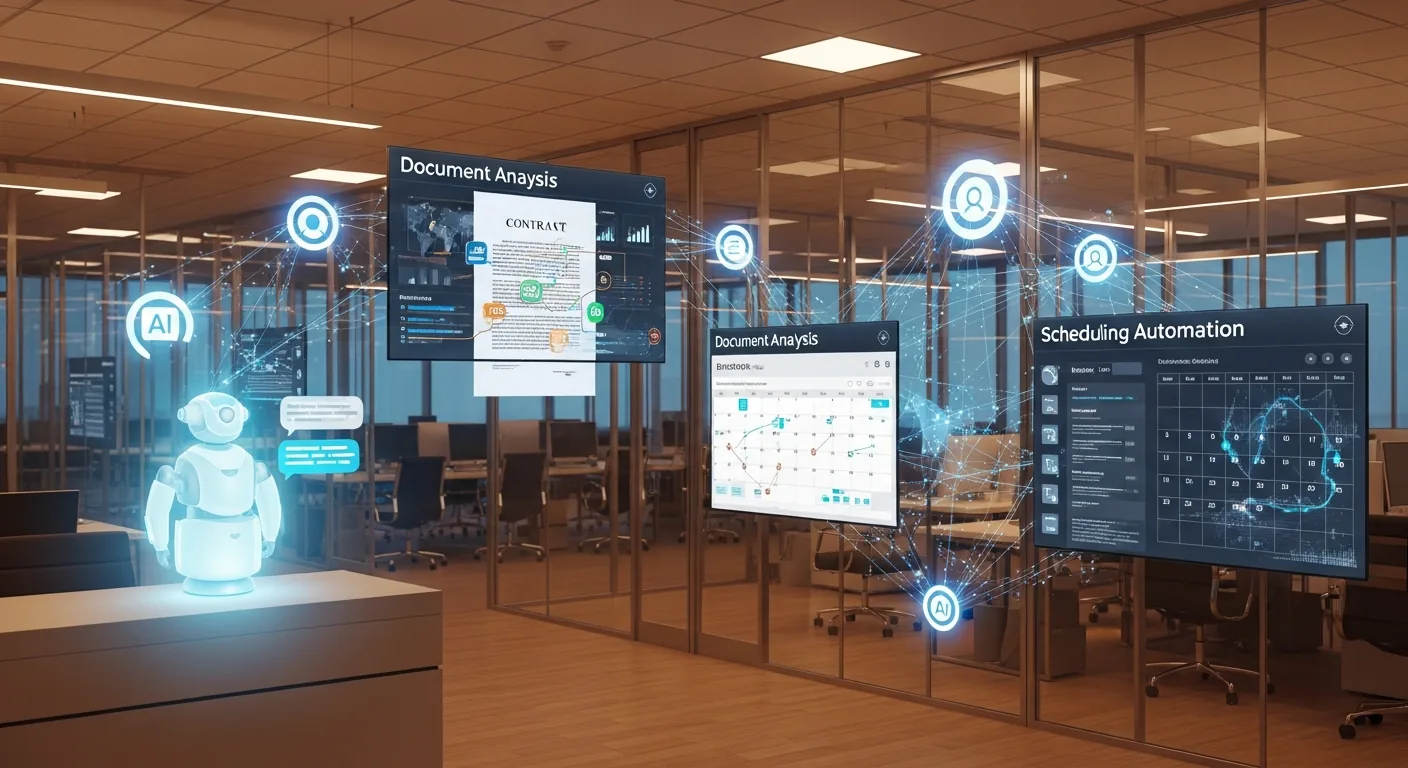
Reading documents is the one that pays for itself first. A client uploads a PDF bank statement, a stack of 1099s, a K-1 that arrived April 12th because K-1s always arrive April 12th. Software pulls the numbers, maps them to the right fields, and flags the ones it isn't sure about. The 20 minutes a staff accountant was going to spend on that document at 9pm becomes 90 seconds of review. Multiply by a few thousand documents a season and you've found a hire you don't need to make.
Sorting transactions is less glamorous and almost as valuable. Categorization, reconciliation matching, anomaly flagging. Modern bookkeeping tools match the obvious 90 percent and queue the exceptions for a human. Your people stop being data-entry clerks and start being reviewers, which is what you hired them to be.
Drafting words is the newest capability and the most oversold. Yes, AI can write a status update email. It can also write it wrong, in a tone your client has never heard from you. Useful as a first draft. Dangerous as a send button.
The part nobody puts in the demo
Here's the uncomfortable part. The same technology got adopted by the other side first, and they're better at it than most firms are.
In the middle of a recent filing season, Microsoft's threat team warned accounting and tax prep firms about a campaign built for them specifically: emails posing as clients, sent when preparers are drowning, with attachments dressed up as tax documents. Click one and it installs a remote access trojan that hands over the keys to everything. The lure worked because it looked exactly like the fifty legitimate emails a preparer gets every day in February.
That's AI-era efficiency too, just pointed at you. Phishing kits write better English than they did five years ago, and they scale the way your document automation scales. Which means the same partner meeting that approves an AI budget should approve a phishing defense plan. The firms treating those as separate conversations are fighting a two-front war while watching one front.
Anyway. Back to the good news.
Clients notice the speed before they notice anything else
The firms getting real mileage out of AI aren't advertising it. Their clients just notice that questions get answered the same day now. Meeting summaries show up an hour after the call instead of never. The portal answers "where's my return" without anyone playing phone tag.
None of that requires exotic technology. Intake automation alone, the unsexy business of forms that fill systems instead of inboxes, buys back hours on every new client. And responsiveness is the thing clients actually shop on. They can't evaluate your tax positions. They can evaluate whether you called back.
The staffing math is the real headline
The profession has a pipeline problem. Fewer people sitting for the exam, experienced CPAs retiring faster than replacements arrive. You know this. You've tried to hire.
AI doesn't fix it. It changes the denominator. If document handling and categorization ate 30 to 40 percent of a staff accountant's day and now they don't, your existing team covers meaningfully more clients at the same headcount. The hire you can't find becomes the hire you don't need this year. (The one you do hire should be comfortable reviewing machine output, which is a different interview than the one you were running ten years ago.)
Start with the work everyone hates
Vendors will point you at whatever they sell. Point yourself at whatever your team complains about. In most firms that's document processing and data entry, which is convenient, because that's also where the technology is most mature.
Run one tool on one hated workflow for one off-season month. Let the skeptics on your staff watch their own hours come back. After that you won't be pushing adoption, you'll be rationing it. There's a longer playbook in our piece on what to automate first, and a warning label in the mistakes firms make when they skip the sequencing.
The honest risk list
AI misreads documents sometimes. It categorizes with confidence and is occasionally, confidently wrong. Anything client-facing needs a human between the machine and the send button, and anything data-related needs you to know exactly where that data goes. A surprising number of tools quietly train on what you feed them. Ask before you buy, and get the answer in writing.
None of this is a reason to wait. It's a reason to adopt like an adult: review processes, security questions answered up front, one workflow at a time.
Five years out
The firms that thrive won't be the ones with the most AI. They'll be the ones that spent the reclaimed hours on advisory work, client relationships, and going home at a reasonable hour in March. The technology is the boring part. What you do with the recovered time is the business model.
For the full picture, start with our guide to AI for accounting firms. And if document season is the thing eating your firm alive, tax document processing is where we'd look first.