Where AI Client Intake Helps and Where It Fails
AI client intake is worth doing for one reason that outranks all the others: it answers people immediately, and the firm that answers first usually gets the client. Everything else it does, the data capture, the qualification, the routing, is a bonus stacked on top of that single advantage.
It also fails in specific, predictable ways, and firms that automate straight through those failures lose business they never find out about.
So here's the honest split.
What it's genuinely good at
Speed, first and by a distance. A prospective client fills out your form at 9pm on a Tuesday, and it's 9pm on a Tuesday because something went wrong that day. An IRS letter arrived. A partner walked out. Payroll didn't run. They're not shopping calmly, they're anxious, and anxious people keep clicking until somebody responds.
An automated intake system acknowledges the inquiry in minutes, asks a few sensible questions, and tells them when a human will call. That's often enough to stop the search.
Data capture is the second win and the one your team feels. The prospect's name, entity type, service need, and situation land in your CRM formatted correctly instead of sitting in an inbox as a paragraph that someone will retype on Thursday. Nobody re-keys anything.
Qualification and routing come third. Not every inquiry is a fit. Criteria you define, applied consistently: entity size, service type, geography, complexity. The good fits reach a partner fast. The clear misfits get a courteous reply pointing them somewhere more useful, which is a kindness to them and a rescue for your most expensive hour.
Consistency is the quiet one. Human intake varies with who picked up the phone and what kind of morning they were having. February intake and July intake are different products at most firms, and February is the version prospects are judging you on. Automated capture doesn't have a February. Every inquiry gets the same questions in the same order, which also means the data is comparable later, when you finally want to know where your good clients actually came from.
Then there's the availability nobody plans for. Weekends. The week between Christmas and New Year. 6:40am on April 14th. The system doesn't get tired and it doesn't have a bad Tuesday, so the experience is the same for the prospect who arrives at a terrible moment as for the one who arrives at a convenient one.
Where it falls on its face
Emotion is the first failure. A business owner calling because they've just been served needs a person, quickly. Someone reaching out about an estate after a death needs a voice, not a form with conditional logic. Automated intake should recognize these situations, capture the minimum, and escalate hard.
Nuance is the second. A good intake coordinator hears hesitation and knows to slow down. They notice that the "quick question about a 1099" is actually a three-year unfiled mess the caller is embarrassed about, because they've heard that exact tone before. Automation doesn't hear tone. It processes what it's given, and people in trouble routinely give you the wrong opening question.
Relationship is the third, and it's the one that gets underestimated. Intake is the start of the relationship, and clients hire firms they trust. A prospect who moves through an entirely automated funnel and never speaks to anyone has bought a subscription, not chosen an advisor. The firms that automate the human out of intake tend to notice their conversion sliding and blame the marketing.
Exceptions are the fourth. Roughly the standard cases go fine. It's the referral from your best client who expects to be recognized, the prospect who needs two services that don't sit in the same box, the situation that maps to none of your offerings. Those need routing to a person quickly, and they need the system to be honest that it doesn't know.
And here's the uncomfortable part, the one that comes up more than any other. Plenty of firms build a beautiful automated form flow while the phone still rings sixty times a week and goes to voicemail during lunch. Web intake is the easier half of the problem. The clients with the most urgent problems, and the biggest budgets, call.
The architecture that actually works
Hybrid, in four stages, with the human placed where humans are irreplaceable.
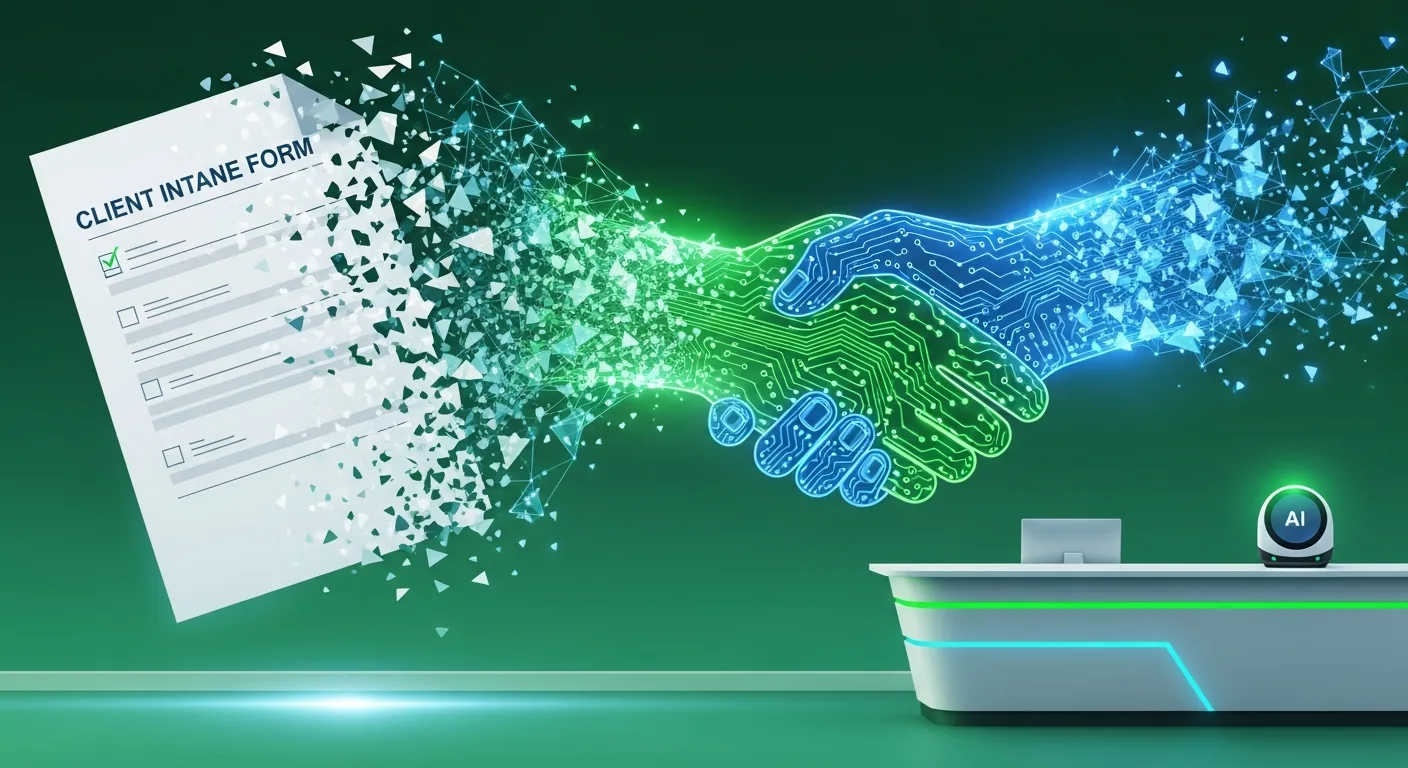
Stage one, the machine captures and responds. An inquiry arrives, by form, phone, or email. It gets acknowledged within minutes, asked a short set of qualifying questions, and told what happens next and when. If it's after hours, it says so honestly rather than implying someone is at a desk.
Stage two, the machine sorts. Responses determine priority and destination. A high-value prospect pings a partner immediately. Standard work queues for the next available person. Clear misfits get a polite decline with a suggestion.
Stage three, a human calls. And they call already knowing who they're talking to, which changes the entire conversation. Instead of "tell me about your business," it starts at "I see you're carrying two years of unfiled returns for the S corp, so let's talk about what that actually takes." That's the moment the prospect decides.
Stage four, the machine does the paperwork. Engagement letter generated, client created across systems, kickoff scheduled, welcome materials sent. Your person is already onto the next call.
Notice where the person sits in that sequence. Not at the front doing data entry, and not at the back assembling welcome packets. In the middle, at the single moment where somebody decides whether to trust your firm with a problem that's keeping them up.
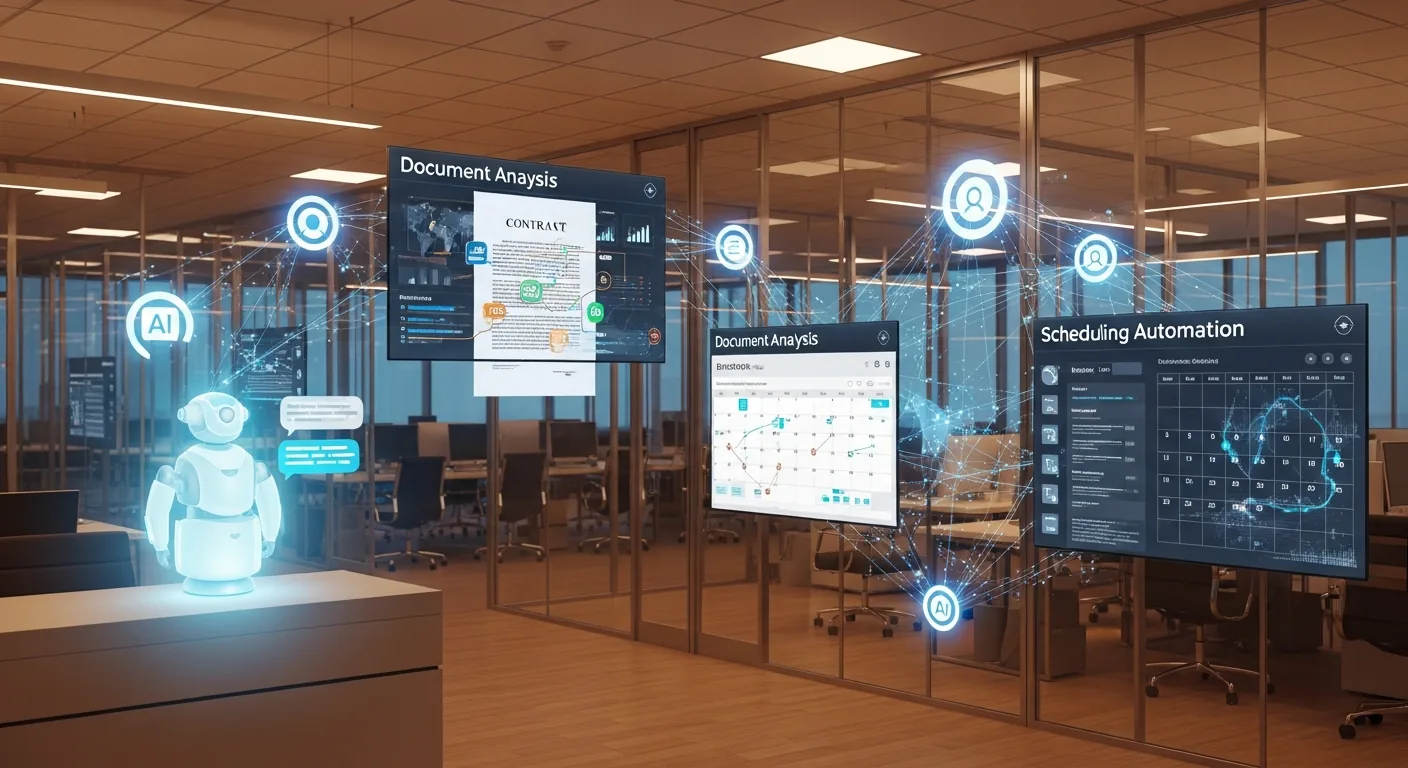
Building that requires the pieces to actually connect, which is where most attempts fall apart. Client intake automation is only worth what it saves you in re-keying, and re-keying comes straight back the moment one system in the chain won't talk to the next.
What to watch after you turn it on
Four numbers, checked monthly for the first quarter.
Time from inquiry to first response. This should collapse to minutes. If it hasn't, something in the chain isn't firing and you should find it this week.
Inquiry to booked consultation. This should rise, because you're faster and better sorted. If it drops, your automated messages are putting people off, and the usual culprit is a tone that reads like a bank.
Human minutes per prospect. Should fall for routine work. If your team is spending the same time as before plus fixing what the system got wrong, the system is a costume, not an improvement.
New client satisfaction with onboarding. Ask them. If this dips after launch, you automated one step too far, and the fix is almost always adding a phone call back in, not adding more automation.
Where intake fits in everything else
Intake is the front door of a longer process, and the savings compound only when the pieces are connected. Intake feeds onboarding, onboarding feeds engagement management, engagement management feeds recurring communication. Each handoff you leave manual is a place where somebody retypes what the last system already knew. The way those pieces fit together is covered in AI workflow automation for small firms.
If you're wondering what else the same technology can do inside the firm rather than at the front door, we went through the realistic list in what AI assistants for accountants can actually do. And if intake isn't the first thing you should be automating at all, which is true more often than intake vendors admit, what firm owners should automate first with AI makes the case for starting elsewhere.
The broader strategy, sequencing included, is in our guide to AI for accounting firms.