How Better Systems Improve Client Response Times
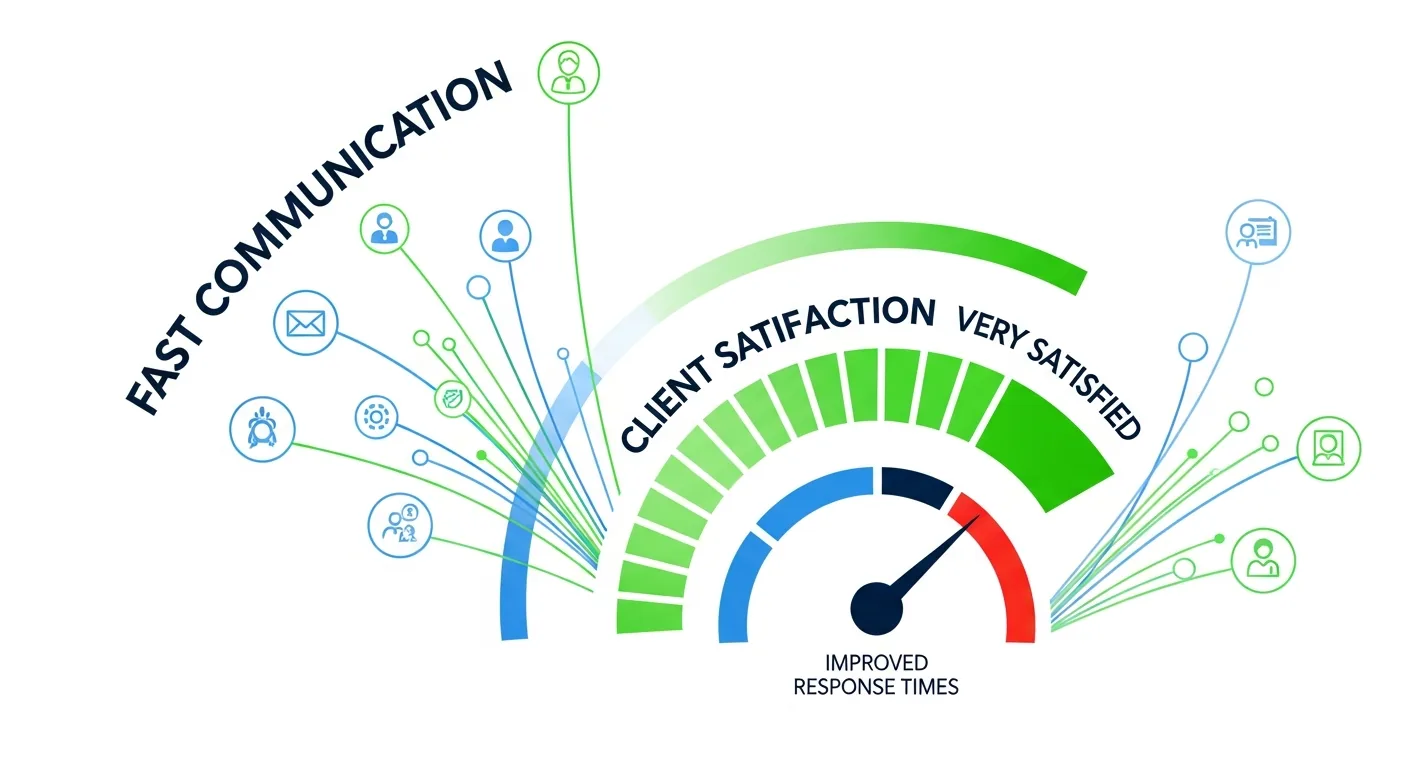
Client response times are a systems problem wearing a people costume. The firm that gets back to a prospect first usually wins the work, and the firms that respond first aren't staffed with faster, more virtuous humans. They're built so that responding fast is the path of least resistance. That's the entire secret, and it's buildable at any firm size.
The losing version is familiar. A prospect calls at 11:40 on a Tuesday. Nobody picks up, so they leave a voicemail, and the voicemail sits while everyone's in the partner meeting. Someone calls back at 3:15 and gets no answer, because the prospect is now on the phone with the firm that answered at 11:40. Nobody at your firm did anything wrong, exactly. The system did precisely what it was built to do, which was nothing.
Slow is a design, not a mood
Firms treat response time as an attitude problem and hold a meeting about urgency. The meeting changes nothing, because the causes are structural, and they're nearly always the same five.
Messages that belong to everyone belong to no one. Shared inboxes and general voicemail boxes are where inquiries go to age. Every message needs an owner within minutes of arriving, and a shared inbox assigns none.
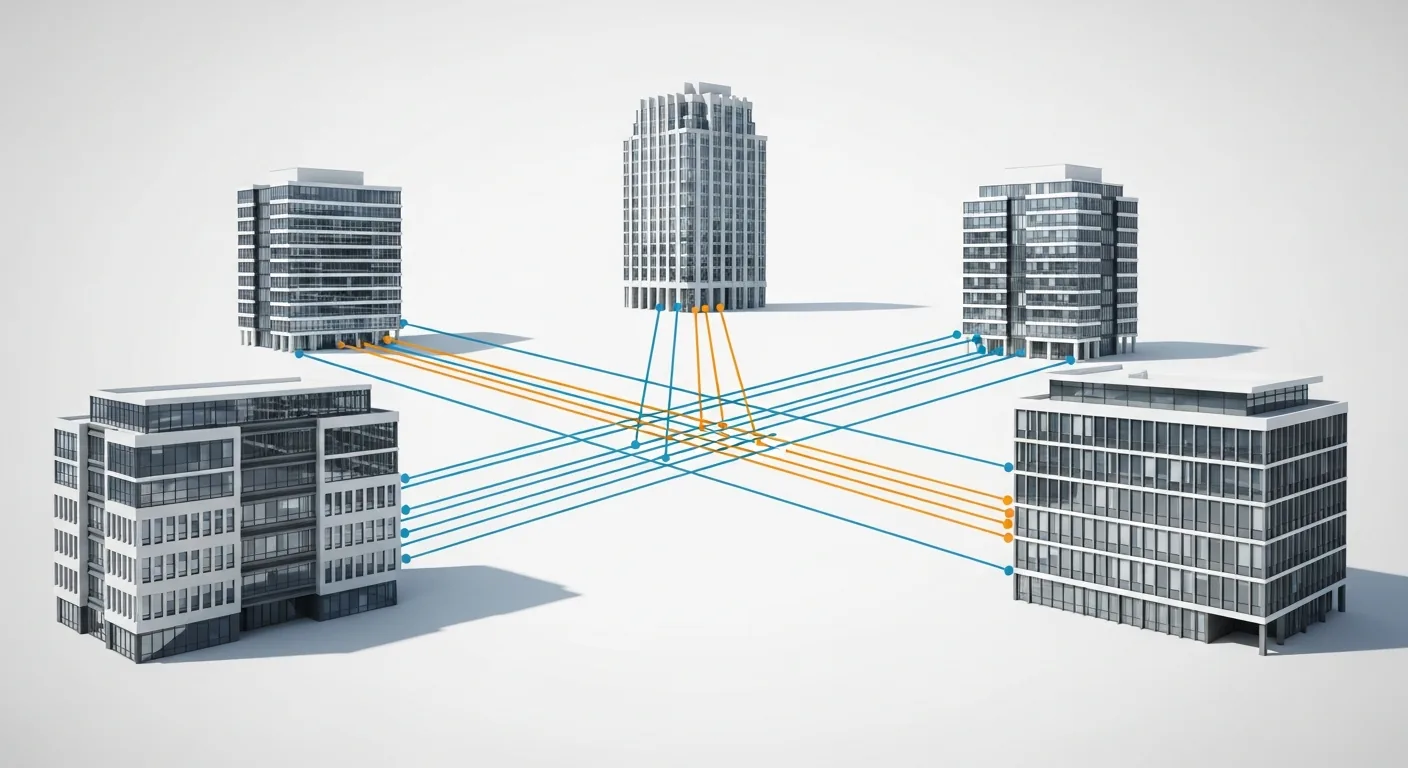
Channels that never meet. Clients reach you by phone, email, web form, and text. If each channel lives in its own silo with its own checking schedule, something is always being ignored, and you don't get to pick what.
Manual routing. Someone reads the message, figures out who owns it, and forwards it. Every hop waits on a human who's busy, and the hops add up to hours.
No visibility. Calls get sent to people in meetings, out of office, or on the other line, then bounce back to voicemail with an apology.
Nothing measured. If nobody knows this month's average response time, it can't improve, and it won't.
Give every message one front door
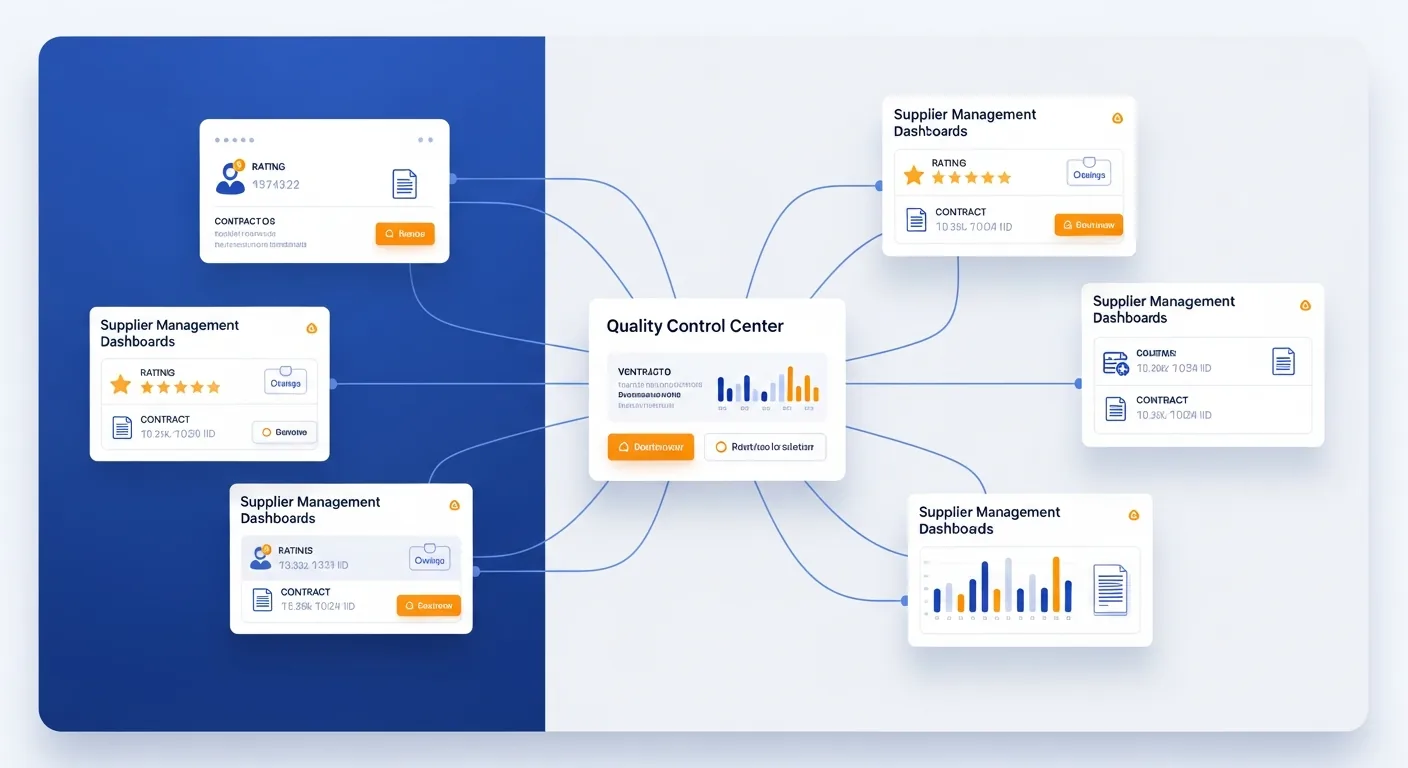
The highest-impact change for most firms is unifying the channels. Calls, emails, form fills, and texts land in one queue where each can be seen, assigned, and timed. When a call gets missed, the system notices on its own: it logs the miss, texts the caller so the silence breaks within a minute, and flags the next available person. None of that is exotic anymore. It's the ordinary job of unified messaging, and it removes the single largest source of lost inquiries, which is the message nobody knew existed. It also ends channel roulette, where the client who emailed waits a day while the client who called waits a minute. One queue, one clock, one standard.
Route by rule, not by memory
Once everything arrives in one place, routing stops needing a dispatcher. A tax question routes to the tax team. An existing client routes to their own accountant, flagged priority. A new prospect goes to whoever holds intake duty today. You build the rules once, and triage happens in seconds at midnight exactly as reliably as it does at noon on a staffed Tuesday.
The math a small firm should run
Speed sounds like a luxury until you price it, so run your own hypothetical. Say your firm gets fifteen new inquiries a month between calls and web forms, an average engagement is worth 2,500 dollars a year, and clients stay five years. Every inquiry that slips away because it aged in a voicemail box is twelve and a half thousand dollars walking out, and if slow handling loses you even two a month, you're funding a competitor's growth with your own phone setup. Swap in your real numbers; the exercise takes ten minutes. Nearly every firm that runs it stops debating whether response systems are worth the money and starts asking how fast they can be in place.
Watch the clock in public
Pick response targets you're willing to defend. Minutes, not hours, for a new prospect during business hours. Same morning for routine client questions, faster for urgent ones. Then measure against them: first response time, time to resolution, the share of inquiries answered inside the target, and how much arrives after hours in the first place.
Put the numbers where the team sees them monthly. Nobody wants to be the reason the chart bent the wrong way, and behavior shifts without a single further speech about urgency. When the trend worsens, resist the instinct to blame effort. Go look for the systems change, the new hire nobody added to the routing rules, the form that started landing in a dead inbox. It's almost always there.
Let the routine questions answer themselves
A decent client portal absorbs an enormous share of routine volume. Where's my return, can you resend the invoice, here's that document you asked for. When clients can check status, upload files, and see bills without calling, two things happen at once: they feel served instantly, and your team's queue shrinks to the messages that need a person. The portal doesn't cheapen the relationship. It clears the line for the conversations that build it.
The first touch can be instant now
An AI receptionist can answer every call the moment it rings, capture who's calling and why, handle the basic questions, and route the rest, which deletes the dead zone between a client reaching out and a human reaching back. On the email side, automated triage can sort incoming messages and draft replies for a staff member to review, turning a five-minute composition into a thirty-second approval. In both cases the machine provides the head start and a person still holds the send button. That's the right division of labor for client work, and probably will be for a while.
After hours is where the gap is widest
During business hours, a good team can partly compensate for bad systems by hustling. At 7:30 on a Thursday evening in March, there's nobody left to hustle. And that's exactly when a meaningful share of client and prospect contact happens, because your clients have day jobs too, and they deal with their taxes after dinner. The firm whose systems acknowledge a 7:30 message at 7:31, with a real commitment about tomorrow morning, starts the next day ahead of the firm whose greeting says to call back during office hours. Systems don't sleep. That's the entire point of having them.
Five fixes before Friday
1. Turn on auto-acknowledgment everywhere. Even a plain message saying we got yours and will respond within two hours changes how the wait feels. 2. Create a daily first-responder rotation, one named person owning new inquiries each day. Diffusion of responsibility dies when the responsibility has a name on it. 3. Rewrite the voicemail greeting to commit to a callback window. A promise with a time in it creates its own accountability. 4. Find out where your web form submissions actually go. If the answer is a general inbox checked twice a day, you've found the leak. 5. Push inquiry notifications to phones, not just desktops. The desk is empty more than you think.
Response speed is downstream of everything else in the operation. A team fighting tech friction all day has no speed left to give, and a firm whose offices each run their own version of every process can't promise clients one consistent clock. The wider machinery is covered in our firm operations guide. Fix the system and the speed follows. It always does.