
How to Standardize Processes Across Multiple Offices
The fastest way to standardize processes across multiple offices is to pick the two or three workflows your clients actually touch, agree on one version of each, and build that version into your software so the standard runs itself. Everything else, the wiki, the flowcharts, the laminated binder, is supporting material. Most firms do this backwards. They write a thorough process manual, email it to every office, and wonder six months later why downtown finishes intake in twenty minutes while the satellite office takes two days.
Nobody read the manual. Nobody was ever going to.
The second office is where the cracks show
One location can run on habit. The partners know how everything works because they built it, and when something drifts they're sitting close enough to notice. Add a second office and habit stops scaling. Now one office emails engagement letters and the other still prints them. Files live in three places, two of which are named Final. The new hire at the branch learns whatever the person at the next desk happens to do, which may or may not resemble anything the founding office would recognize.
This feels like a minor annoyance. It isn't. When offices run different processes you collect four expensive problems at once. Compliance risk, because if one office skips a step in client onboarding, the whole firm carries the liability. Training bottlenecks, because staff can't move between locations that might as well be different firms. Client confusion, because a client who deals with both offices notices the seams and wonders what else is inconsistent. And reporting you can't trust, because numbers produced by different methods can't be compared, only squinted at.
The firms that grow past one location without pain are the ones that solved this early. The full playbook lives in our firm operations guide, but the short version fits right here.
Start with what the client touches
You don't need to standardize everything. You need to standardize the workflows a client can feel, and there are only about three of them.
Intake comes first. A client who walks into the downtown office and a client who fills out the branch's web form should get the same experience: same questions, same forms, same timeline from first contact to signed engagement. Intake is also the easiest process to take out of human hands entirely. Client intake automation fills every system from one form, which means the standard stops being a policy someone has to remember. It's just what the software does.
Engagement letters and scoping come second. Two offices with two template libraries will eventually send two different sets of terms to two clients who compare notes. That's a bad phone call.
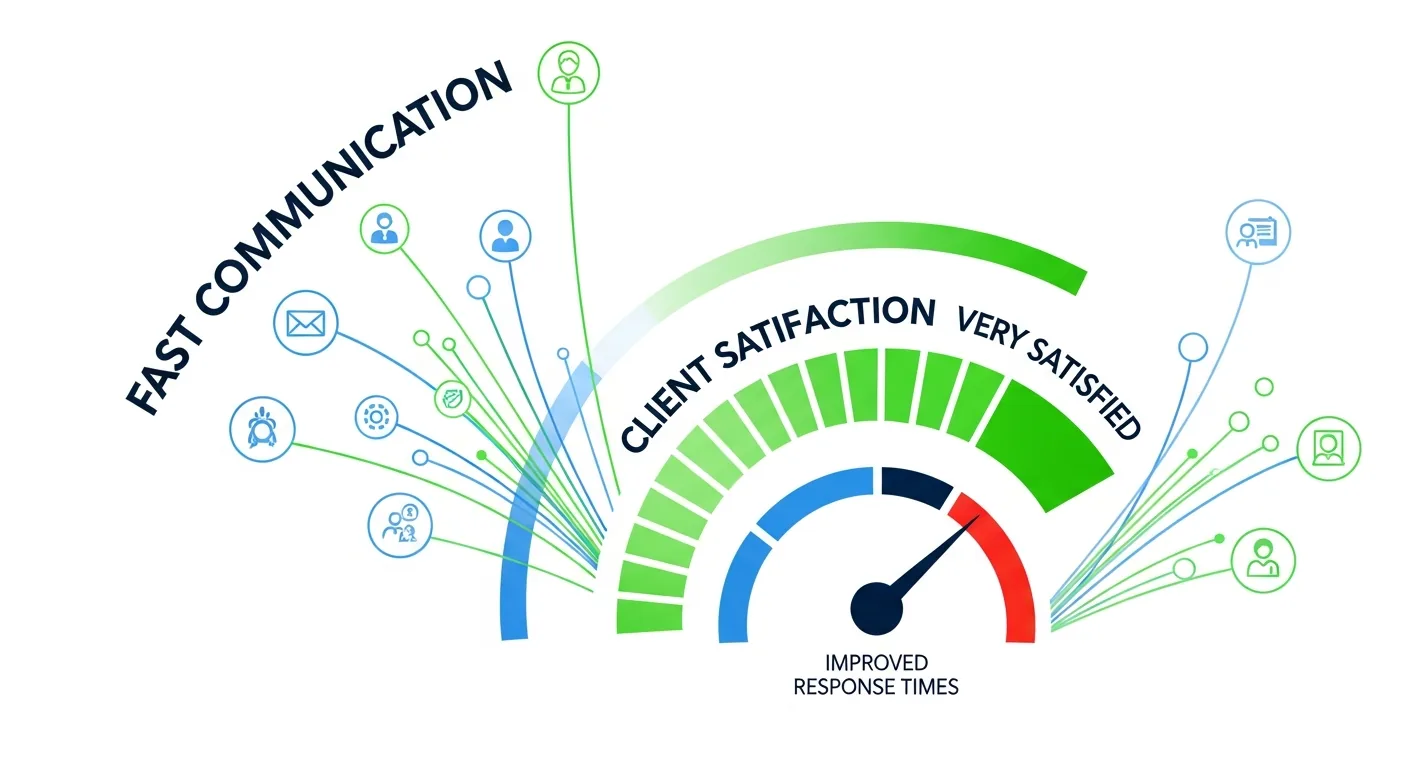
Communication cadence is third. If one office sends weekly status updates and the other goes quiet for a month, clients notice, and they talk to each other more than you'd think. Consistency here is most of what clients mean when they call a firm professional, and it's half the battle of keeping response times fast across locations.
Write it down, then stop trusting the document
Every standard needs a written home. A shared library or internal wiki is fine, nothing fancy required. Each process page should cover what the process is for, the steps in order, who owns each step, which tools are involved, and what to do when something goes sideways. Give every page an owner who rereads it quarterly, because an unowned document is a snapshot of how things worked the year it was written.
Then accept what documentation actually is. It describes the standard. It doesn't enforce it. On a calm Tuesday in June, people follow the document. At 9pm in February, they do whatever their hands remember. If your standard exists only on paper, February will quietly delete it.
Put the standard inside the tools
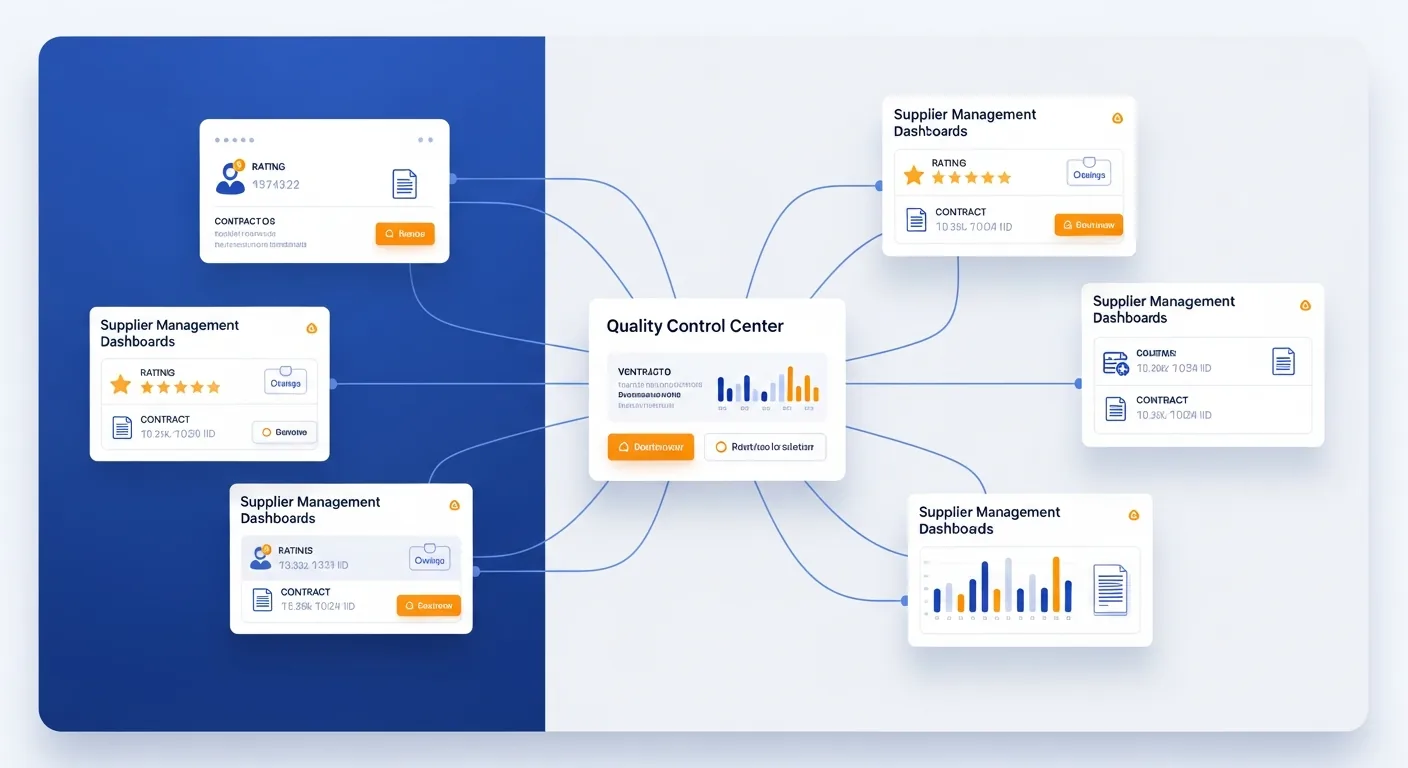
Enforcement lives in the software. If intake has five required steps, those five steps should exist as a workflow template in your practice management system, not as a list somebody is supposed to recall under pressure. If engagement letters must use the current template, lock the template library so the 2022 version can't keep circulating from someone's desktop. When a new client is created, the checklist should appear on its own. When the letter gets signed, the next task should fire without anyone deciding to fire it.
The test is simple. If a distracted person doing the process fast gets the same result as a careful person doing it slow, the standard is in the tools. If not, it's still on paper, and paper loses to busy.
Standard outcomes, not identical keystrokes
Here's where firms overcorrect. They ship a rigid manual from headquarters, demand identical behavior everywhere, and watch it fail, because offices sometimes face genuinely different circumstances. If your Florida office needs one extra form for state compliance, that's fine. Same structure, local addendum, nobody needs to fight about it.
Aim for standardized outcomes and let office managers propose changes, because the best process improvements come from the people running the process, not from a conference room at the main office. A standard the field helped write gets followed. A standard that got mailed to the field gets worked around, politely and permanently.
Drift is the default
Processes decay the way gardens do, gradually and then obviously. It starts with one workaround during a busy week that hardens into how we do it here. Nobody decided anything. It just happened, and by the time anyone notices, the workaround has seniority.
So schedule the check. Once a quarter, have each office walk through two or three key processes exactly as they actually perform them, then compare that against the documented standard. Where they diverge, ask why before correcting anything. Half the time the office found a better way and the document should change. The other half, the office drifted and needs pulling back. Both answers are worth having, and an annual technology audit will catch the tool-level drift that process reviews walk right past.
Cross-office communication is what keeps these reviews cheap instead of political. Regular calls between office managers. A shared channel for operational questions. An in-person session once or twice a year where improvements actually get argued about. Offices that feel connected follow shared standards because they understand why the standards exist. Offices that feel like colonies do their own thing and hide it.
What to do this week
If this sounds like a year of work, it isn't. Start here:
1. Pick your most client-facing process. Usually intake. 2. Document how each office actually runs it today. Not how they're supposed to. 3. Put the differences side by side. 4. Agree on one standard, with every office in the room. 5. Build the standard into your systems so it runs by default. 6. Check it again in 90 days.
One process, done properly, teaches your firm how to standardize. The second one takes half as long. Somewhere around the third, the offices stop feeling like separate firms sharing a logo, and the daily friction your team fights starts dropping too. Because a surprising share of that friction was never the tools. It was three versions of every process grinding against each other.