What Actually Matters in IT Support for Accounting Firms
Good IT support for accounting firms gets measured in February, not July. Almost anyone can keep a quiet office running in the off season. The test is what happens when the tax software hangs at 9pm with forty returns in the queue, and whether the person who picks up your call has ever heard of Lacerte. Most firms are buying generic IT support, the same package the dental office next door gets, and they don't find out what that costs them until the worst possible week to find out.
So let's define the job properly.
Your software isn't normal software
An accounting firm runs on a stack that general IT providers rarely touch. Tax platforms like Lacerte, Drake, UltraTax, CCH Axcess. Practice management. A document system. A client portal that has to work for a 70-year-old client uploading a 1099 from his phone. These tools are quirky, interdependent, and directly attached to revenue in a way the office printer never will be.
If your provider has to search the internet for your core application before they can troubleshoot it, you're not their client. You're their training program. And you're paying the tuition.
Ask a prospective provider how many accounting firms they support and which tax platforms those firms run. The answer tells you nearly everything. A provider with five CPA clients has already seen your weird Lacerte printing bug on somebody else's dime. The one with zero will meet it for the first time on yours, probably in March.
The compliance obligations your last provider never mentioned
Here's the uncomfortable part. If your firm prepares returns, the FTC Safeguards Rule requires you to have a written information security plan, and IRS Publication 4557 spells out what data protection is supposed to look like for tax professionals. That's not advice. It's a condition of doing this work, and it comes with expectations about encryption, access control, and what you do when something goes wrong.
A generalist provider has usually never heard of Publication 4557. Not because they're lazy. Because none of their other clients need it. Which means the compliance posture of a firm holding thousands of Social Security numbers is being designed by someone who doesn't know the requirements exist. When you interview providers, say the word WISP and watch their face. Recognition is a very good sign.
What you're actually paying for
Strip away the brochure language and good support comes down to five things.
Backups that restore. Every provider says they do backups. The question is when they last restored one. A backup that's never been test-restored is a hope, and hope is not a disaster recovery plan. Ask for the date of the last successful test restore. If there's a pause, you have your answer.
Patching that actually happens. Every unpatched workstation in your office is a door left open, and firms that handle financial data get their doors checked constantly. Updates should go out on a schedule, get verified, and get reported. Quietly, overnight, without eating anyone's Tuesday.
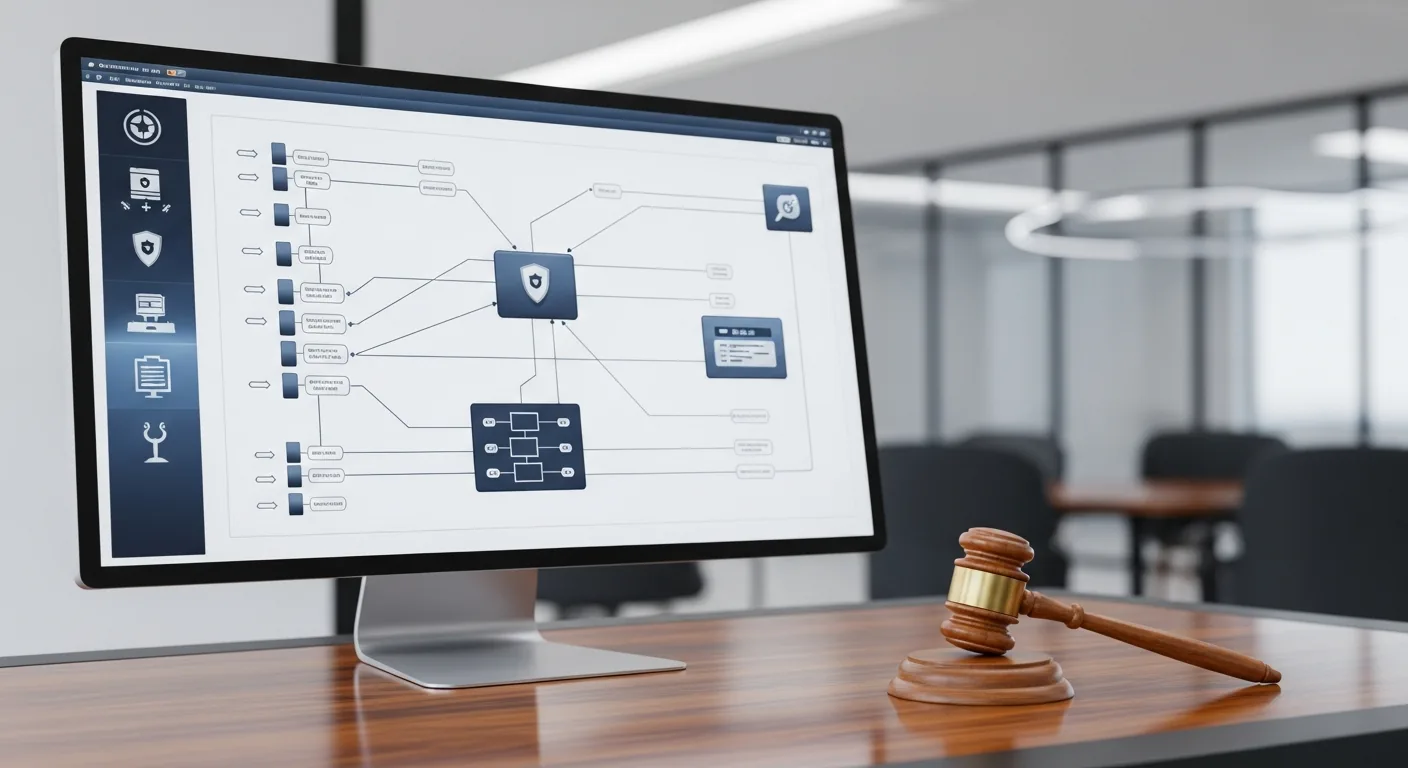
A network that was designed on purpose. A firewall someone configured three years ago and never touched again isn't security. It's an artifact. Segmentation, sensible rules, and monitoring are the baseline for an office holding client SSNs, and if nobody can produce a diagram of how your network is put together, that's the project to do first. Secure network design is exactly this: building the office network like the data on it matters. Because it does.
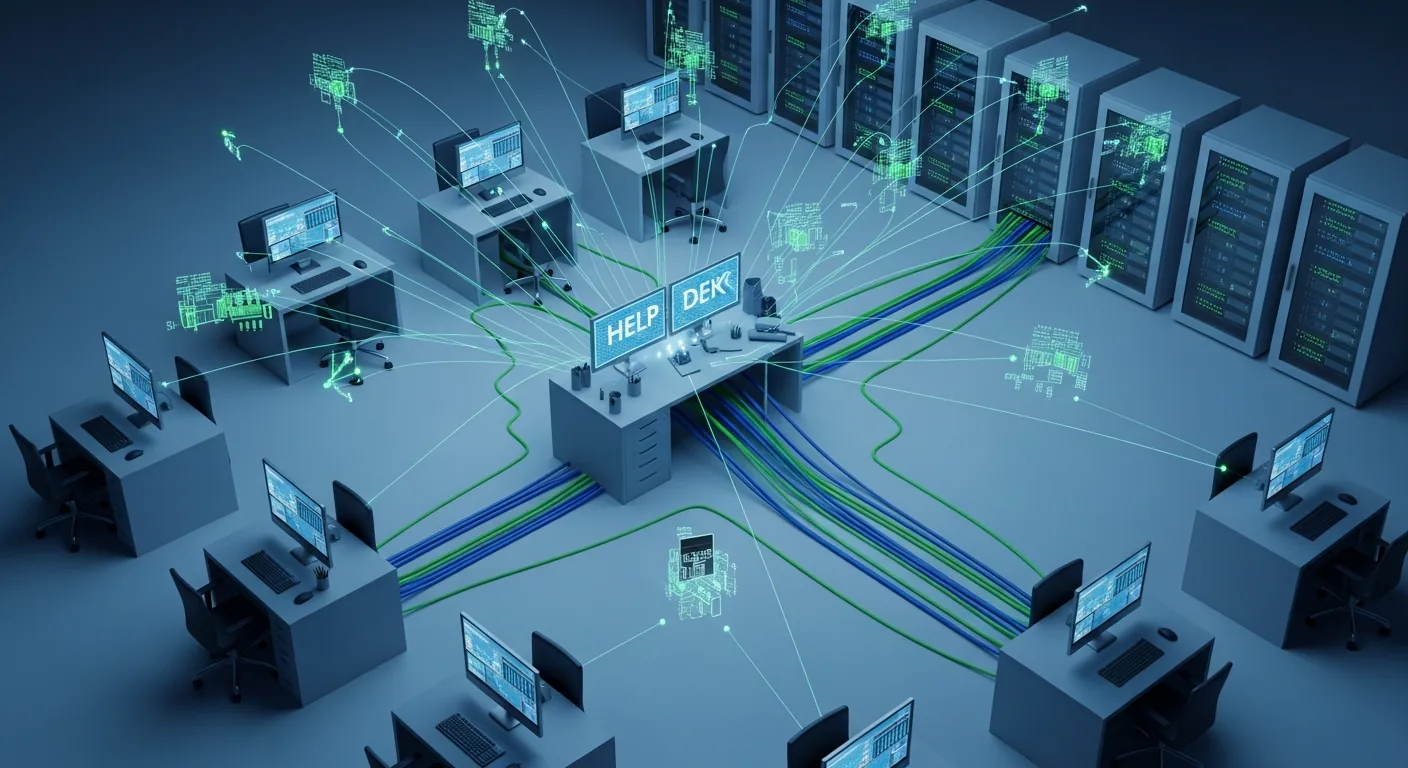
Help desk response you'd tolerate in April. A 48-hour ticket queue is annoying in June. In the second week of April it's a revenue event. Get response commitments in writing and make sure they don't carry a seasonal asterisk. And do the math at your own scale: a firm of eight losing an hour apiece to a down server hasn't lost an hour. It's lost a working day, during the stretch of the year when working days are the whole inventory.
Someone thinking a year ahead. The best providers bring you a plan: which machines age out next year, what the replacement budget looks like, which renewals are coming. A five-figure server surprise in March is a failure that actually happened twelve months earlier, in a planning meeting that never took place.
Warning signs you can check this afternoon
You don't need a formal audit to spot weak IT support. A few honest questions will do it.
Nobody knows how old the hardware is. If the answer is a shrug, some of those machines are past five years and running on borrowed time, and the odds of them failing during a slow week are exactly as bad as you'd guess.
The same problem keeps coming back. The printer that dies monthly, the VPN that drops every Friday. Recurring problems mean your provider is treating symptoms and billing per visit, which is a business model, just not one that serves you.
The backups have never been tested. Yes, again. It's the most common gap in small firms and it stays invisible right up until the day it's the only thing that matters.
The invoices are a mystery. Managed support comes with a flat, predictable monthly fee. If your IT bills spike every time something breaks, you don't have a managed service. You have an expensive repair habit with a logo on the letterhead.
Nobody has ever asked you about compliance. A provider who's never once mentioned the Safeguards Rule to a tax practice isn't protecting you from the risks that are specific to you. They're protecting you from the risks that are easy.
The inside person still matters
Even with a great provider, somebody inside the firm has to own the relationship. Not a technical person. An organized one. They keep the inventory of machines and licenses, track renewals, coordinate projects, and make sure a departing employee's accounts get shut off the same day the badge does. Nobody budgets time for this role, by the way, and every firm needs it anyway.
Without that person, vendor relationships drift and small problems compound quietly. With them, your provider stays accountable and your partners stay informed. For a concrete list of what that person should be checking, the IT checklist for growing firms walks the ground in order. And if what your firm actually lacks is someone senior to steer the whole thing, that's a different job than help desk, and fractional IT management is usually the affordable version of it.
What good looks like from the partner's chair
Boring. That's the honest answer. When IT support for an accounting firm is working, nothing interesting happens. Returns print. The portal stays up. Patches land overnight. The February you dread goes by without a single conversation about technology, which is the entire point of paying for it. Firms notice their IT twice: when it's terrible, and when they suddenly realize it's been months since they thought about it at all.
Getting there doesn't require the biggest budget in town. It requires a provider who knows your software, takes Publication 4557 as seriously as you have to, and does the unglamorous weekly maintenance without being chased. Boring, reliable, specific to your industry. That's the whole recipe.
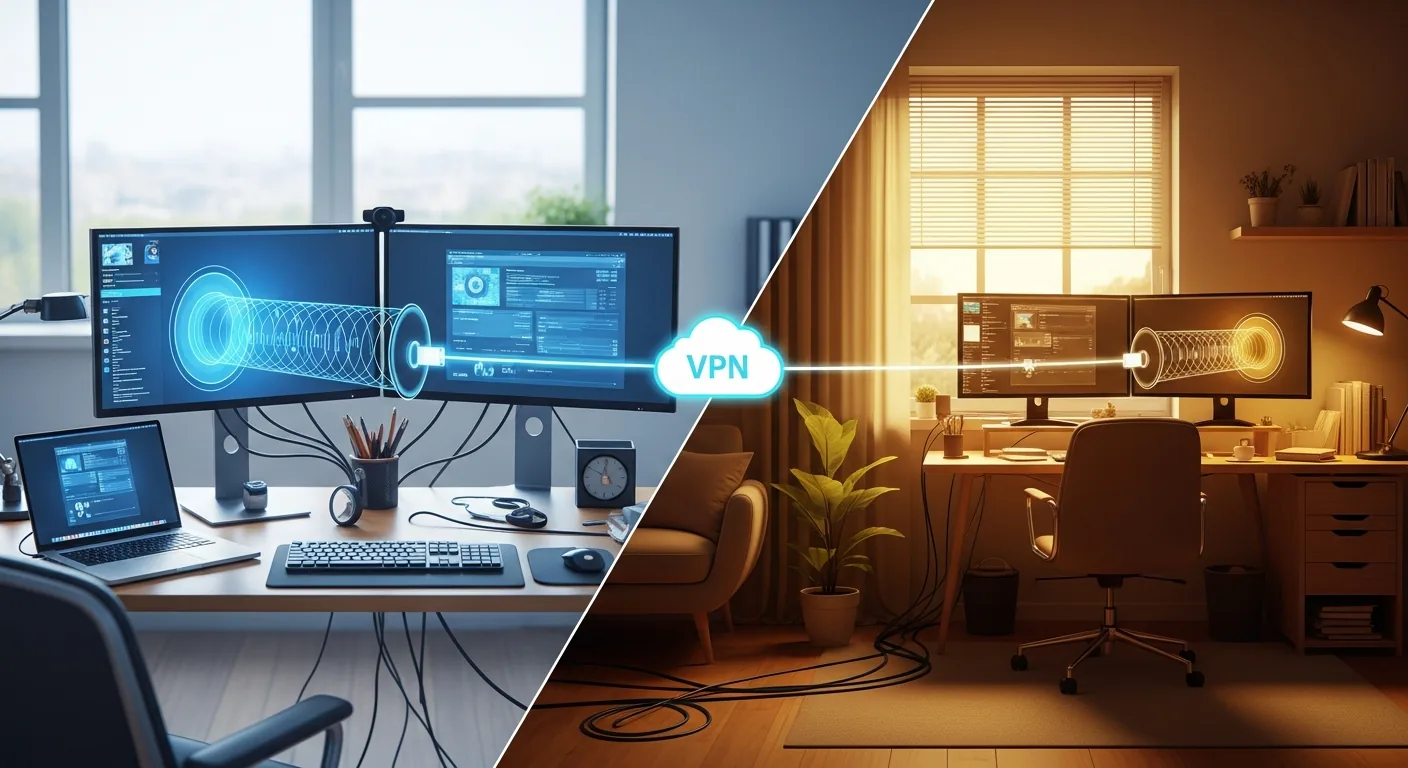
If your team splits time between the office and home, the same standards have to follow them out the door, and the hybrid work IT setup piece covers what changes when your office network stops being the only network. For the complete picture, backups to budgeting, start with our guide to IT management for firms.