Why Professional Service Firms Need Better Vendor Management
Why Professional Service Firms Need Better Vendor Management
How many software subscriptions does your firm pay for right now? If you had to list them all from memory, could you? Most firm owners cannot. And that is exactly the problem.
Professional services firms, whether in accounting, law, or advisory, tend to accumulate vendors the way a garage accumulates tools. You buy something to solve a specific problem, and then it just sits there, billing you monthly, long after the problem changed shape.
Vendor management sounds like something only large enterprises need to worry about. It is not. For firms with ten to fifty employees, poor vendor management is one of the most common sources of wasted money and unnecessary risk.
The Real Cost of Ignoring Vendor Management
Let us put some numbers to this. The average small professional services firm uses between fifteen and thirty SaaS tools. Many of those tools have overlapping features. Some of them are no longer used at all but are still billing.
Beyond the direct cost, there are hidden expenses:
- **Integration headaches.** Every vendor adds complexity. When tools do not talk to each other, your team wastes time on manual data entry.
- **Security exposure.** Each vendor with access to your data is a potential attack surface. If you are not tracking who has access to what, you are flying blind. For more on this, see our guide to cybersecurity for professional services.
- **Contract traps.** Auto-renewals, price increases buried in terms, and long lock-in periods cost firms thousands when they are not actively managed.
- **Support fragmentation.** When something breaks, your team has to figure out which vendor is responsible. If you have twenty vendors, that detective work adds up.
Start With a Vendor Inventory
The first step is embarrassingly simple but almost nobody does it. Make a list.
For every vendor your firm uses, document:
- What the tool does and who uses it
- How much it costs (monthly and annually)
- When the contract renews
- Who the internal owner is (who decides whether to keep it)
- What data the vendor has access to
- Whether there is an alternative already in your stack
This exercise alone usually surfaces surprises. You will find duplicate tools, forgotten subscriptions, and contracts that renewed without anyone noticing.
Consolidate Where You Can
Once you have your inventory, look for consolidation opportunities. Many modern platforms handle multiple functions that used to require separate tools.
Your practice management system might already include document management, time tracking, and basic CRM features. If you are paying separately for all of those, you are probably overspending.
That said, consolidation has limits. Do not force a tool to do something it was not designed for just to save a few dollars. The goal is fewer, better-integrated tools, not one tool that does everything poorly.
Evaluate Vendors Like Partners
Too many firms treat vendor selection as a one-time purchasing decision. Buy the thing, set it up, move on. But your vendors are ongoing partners in your business operations. They deserve the same scrutiny you give to a new hire.
When evaluating vendors (or re-evaluating existing ones), ask:
1. **Does this vendor understand our industry?** A generic tool might work, but a vendor who understands professional services will provide better support and more relevant features. 2. **What is their security posture?** Do they have SOC 2 compliance? How do they handle your data? This matters especially if you handle client financial or legal data. We cover vendor security assessment in depth in our article on how to assess the security of AI vendors. 3. **What happens if we leave?** Can you export your data easily? Is there a termination fee? The best vendors make it easy to leave because they are confident you will stay. 4. **How responsive is their support?** When something breaks during tax season or before a court deadline, you need answers fast.
Build a Review Cadence
Vendor management is not a once-a-year spring cleaning. Build a quarterly review into your operations calendar.
Each quarter, review:
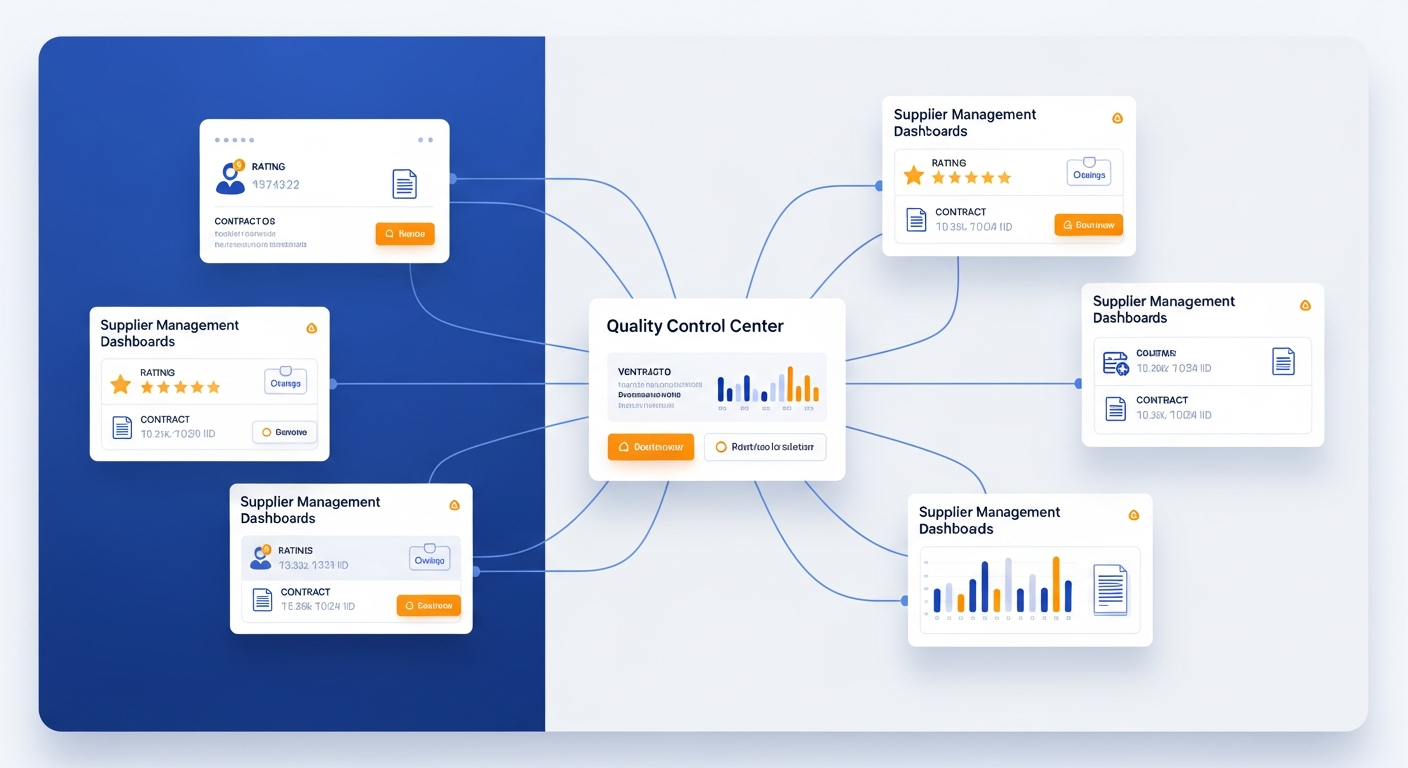
- Usage metrics for each tool (most SaaS platforms provide admin dashboards)
- Upcoming renewals in the next 90 days
- Any security incidents or concerns related to vendors
- Feedback from team members who use the tools daily
This regular cadence prevents the slow accumulation of unused tools and gives you leverage when renewal conversations come up. A vendor who knows you are actively evaluating alternatives will be more motivated to offer competitive pricing.
Negotiate Like You Mean It
Many firm owners accept the sticker price for SaaS tools without negotiating. This is leaving money on the table.
Vendors expect negotiation, especially for annual contracts. Here are tactics that work:
- **Ask for annual billing discounts.** Most vendors offer 10-20% off for annual commitment.
- **Bundle services.** If a vendor offers multiple products, ask for a package deal.
- **Reference competitors.** If you have a comparable alternative, mention it. Competition drives better pricing.
- **Time your negotiations.** Vendor sales teams have quarterly quotas. Reaching out at the end of a quarter often yields better deals.
The Vendor Management Checklist
If you want to get started this week, here is your action plan:
1. Create your vendor inventory spreadsheet 2. Identify the top five vendors by cost 3. Check if any contracts renew in the next 60 days 4. Flag any tools with overlapping functionality 5. Schedule a quarterly vendor review on your calendar 6. Assign an internal owner for each major vendor relationship
For a complete framework on improving your operational efficiency, explore our guide to streamlining operations for professional firms.
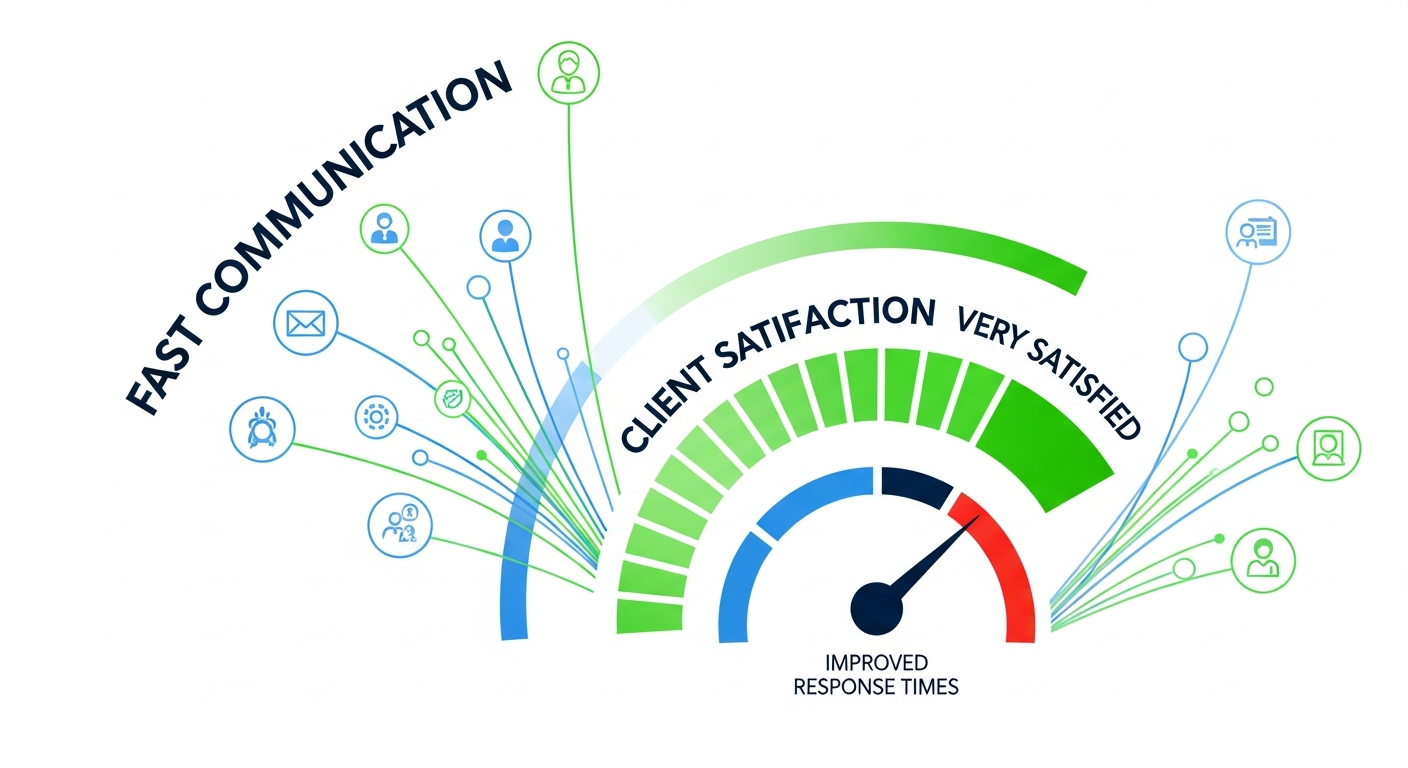
Better vendor management is not glamorous, but it directly impacts your bottom line. The firms that treat their vendor relationships strategically spend less, get more, and sleep better knowing their data is in trustworthy hands. And in a world where better systems improve client response times, having the right vendor stack is not optional.