
How to Standardize Processes Across Multiple Offices
How to Standardize Processes Across Multiple Offices
Running one office is hard enough. Running two or three, each with their own way of doing things, is where the wheels start coming off.
If your firm has grown beyond a single location, you have probably noticed the cracks. One office sends engagement letters by email, another still prints them. The intake process in your main office takes twenty minutes, but the satellite office somehow takes two days. Nobody can agree on where files go.
This is the standardization problem, and it quietly costs professional services firms thousands of hours per year.
Why Standardization Matters More Than You Think
Most firm owners treat process inconsistency as a minor annoyance. It is not. When every office handles tasks differently, you get:
- **Compliance risk.** If one office skips steps in client onboarding, your entire firm carries that liability.
- **Training bottlenecks.** New hires cannot transfer between offices because the processes are completely different.
- **Client confusion.** A client who works with multiple offices expects the same experience everywhere.
- **Reporting blind spots.** You cannot measure what you cannot compare.
The firms that grow successfully beyond a single location are the ones that solve this early. For a broader look at operational efficiency, see our guide to streamlining operations for professional firms.
Start With the Processes That Touch Clients
You do not need to standardize everything at once. Start with the workflows clients actually see.
**Client intake** is almost always the first process to standardize. Whether someone walks into your downtown office or your suburban location, the experience should feel identical. That means the same forms, the same questions, the same timeline.
**Engagement letters and scoping** come next. If your offices use different templates, you are asking for confusion and potential legal exposure.
**Communication cadence** is the third priority. If one office sends weekly updates and another goes silent for a month, your brand suffers.
Build a Central Process Library
Every standardized process needs a home. This does not have to be fancy. A shared document library or internal wiki works fine, as long as everyone knows it exists and actually uses it.
Each process document should include:
1. The purpose of the process and when it applies 2. Step-by-step instructions with screenshots where helpful 3. Who is responsible for each step 4. What tools or systems are involved 5. How to escalate when something goes wrong
The key is to make these documents living resources, not static PDFs that nobody reads after the first month. Assign an owner for each process who reviews and updates it quarterly.
Use Technology to Enforce Consistency
Documentation alone will not solve the problem. People are busy, and when things get hectic, they fall back to whatever they are used to doing.
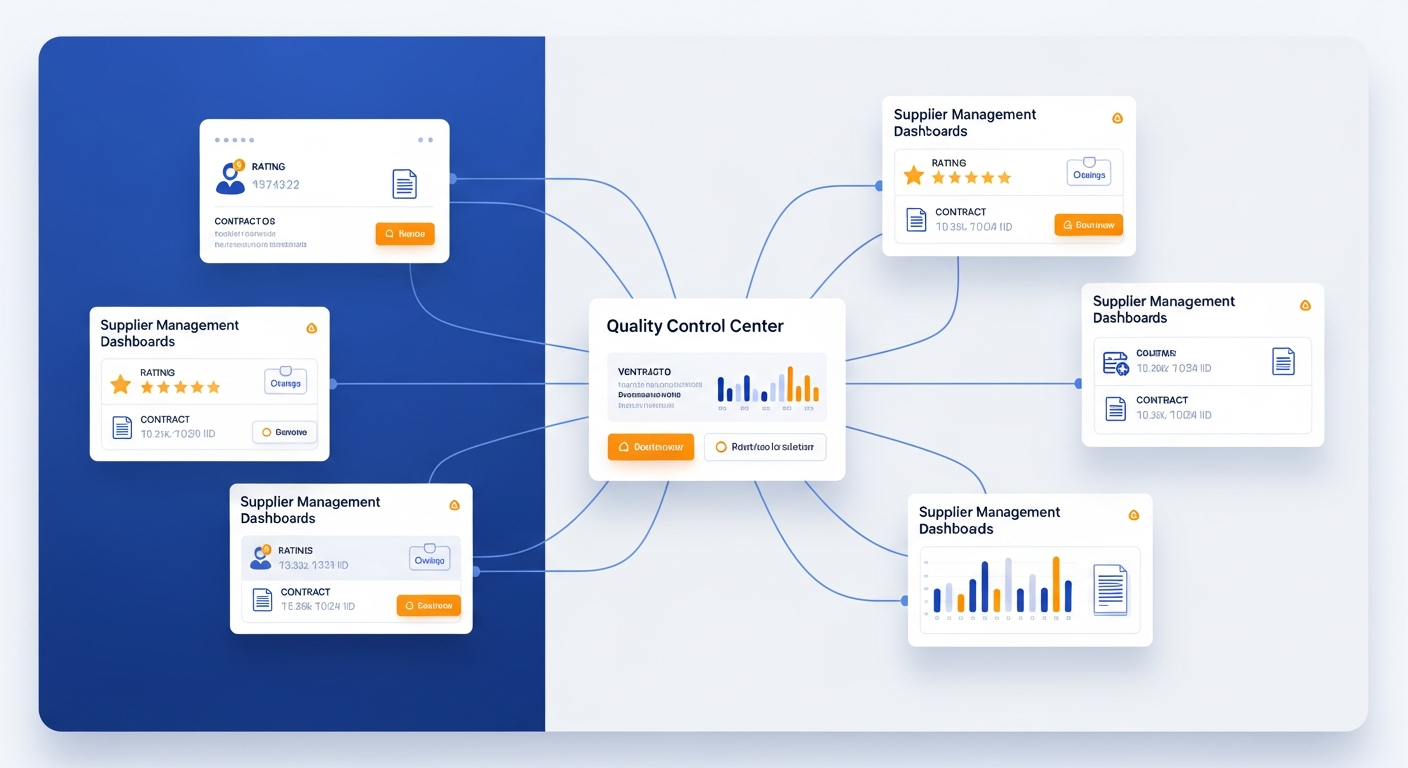
The real solution is to embed your standardized processes into the tools your team already uses. If client intake needs to follow five specific steps, build those steps into your practice management software as a workflow template. If engagement letters need to use a specific template, lock down the template library so rogue versions cannot proliferate.
Automation helps here too. When a new client is added to the system, the intake checklist should auto-populate. When an engagement letter is signed, the next steps should trigger automatically. If you are looking to reduce friction in your tech stack, check out our article on how to reduce employee tech friction.
Do Not Confuse Standardization With Rigidity
This is where many firms go wrong. They create a rigid, top-down process manual and expect everyone to follow it without question. That approach fails because it ignores the reality that different offices sometimes face different circumstances.
The goal is standardized outcomes, not necessarily identical steps. If your Florida office needs to collect an additional form for state-specific compliance, that is fine. The intake process still follows the same overall structure, with a local addendum.
Give office managers the authority to suggest improvements. The best process ideas often come from the people doing the work, not from a conference room at headquarters.
The Role of Regular Audits
Standardization is not a one-time project. Without regular check-ins, processes drift. It happens slowly, usually starting with a small workaround that becomes "just how we do it here."
Schedule quarterly process audits across all offices. These do not need to be heavy. A simple review meeting where each office walks through their current workflow for two or three key processes will surface gaps quickly.
Compare actual practice to documented process. Where they diverge, ask why. Sometimes the documented process was wrong. Sometimes the office drifted. Either way, you need to reconcile the two.
Cross-Office Communication Is the Glue
The firms that do this well have strong cross-office communication. That means regular calls between office managers, shared Slack channels for operational questions, and an annual (or semi-annual) in-person meeting where process improvements are discussed.
When offices feel connected, they are more likely to follow shared processes because they understand why those processes exist. When offices feel isolated, they do their own thing.
Where to Start This Week
If you are reading this and feeling overwhelmed, here is a simple starting point:
1. Pick your most client-facing process (usually intake or onboarding) 2. Document how it currently works in each office 3. Identify the differences 4. Agree on a single standard with input from all offices 5. Update your systems to reflect the new standard 6. Review in 90 days
You can also benefit from a technology audit to see where your tools are helping or hurting consistency.
Standardization is not about control. It is about giving every client the same great experience and giving every team member the confidence that they are doing things the right way. The firms that get this right scale faster with fewer growing pains.