IT Support for Law Firms: What a Modern Firm Should Expect
IT Support for Law Firms: What a Modern Firm Should Expect
If you run a law firm and your IT support consists of "calling that guy who fixed the printer last year," you are not alone. But you are also not in a good position. Legal practices have some of the most demanding IT requirements of any professional services industry, and most firms are not getting the support they actually need.
The practice of law has become inseparable from technology. Case management systems, document automation, e-discovery, client portals, secure communications, and court filing systems all require reliable, secure infrastructure. When that infrastructure fails, it does not just slow you down. It can jeopardize cases, breach confidentiality obligations, and expose your firm to malpractice claims.
Why Law Firm IT Is Not Like Other Industries
Law firms operate under ethical obligations that directly impact how technology must be managed. The ABA Model Rules of Professional Conduct, particularly Rules 1.1 and 1.6, require lawyers to maintain competence in technology and to protect client confidentiality. State bar associations have issued numerous opinions reinforcing that attorneys must understand the technology they use and ensure it adequately protects client information.
This is not theoretical. Firms have faced disciplinary action for failing to protect client data, using unsecured email for sensitive communications, and not having adequate backup systems when data was lost. Your IT support is not just a business expense. It is part of your professional obligation.
Beyond ethics rules, law firms deal with discovery obligations, document retention requirements, and litigation hold procedures that require specific technical capabilities. Your IT provider needs to understand these requirements, not just at a conceptual level but in terms of practical implementation.
Core IT Capabilities Every Law Firm Needs
**Document management and security.** Law firms generate and handle enormous volumes of documents. You need a document management system that provides version control, access restrictions, audit trails, and secure sharing capabilities. Your IT support should be able to configure and maintain these systems so that documents are organized, searchable, and protected.
**Email security and encryption.** Email remains the primary communication channel for most law firms, and it is also the primary attack vector for cybercriminals. Your IT support should implement email encryption, advanced threat protection, and data loss prevention policies. Every attorney in your firm should be able to send encrypted emails to clients without needing a computer science degree to figure out how.
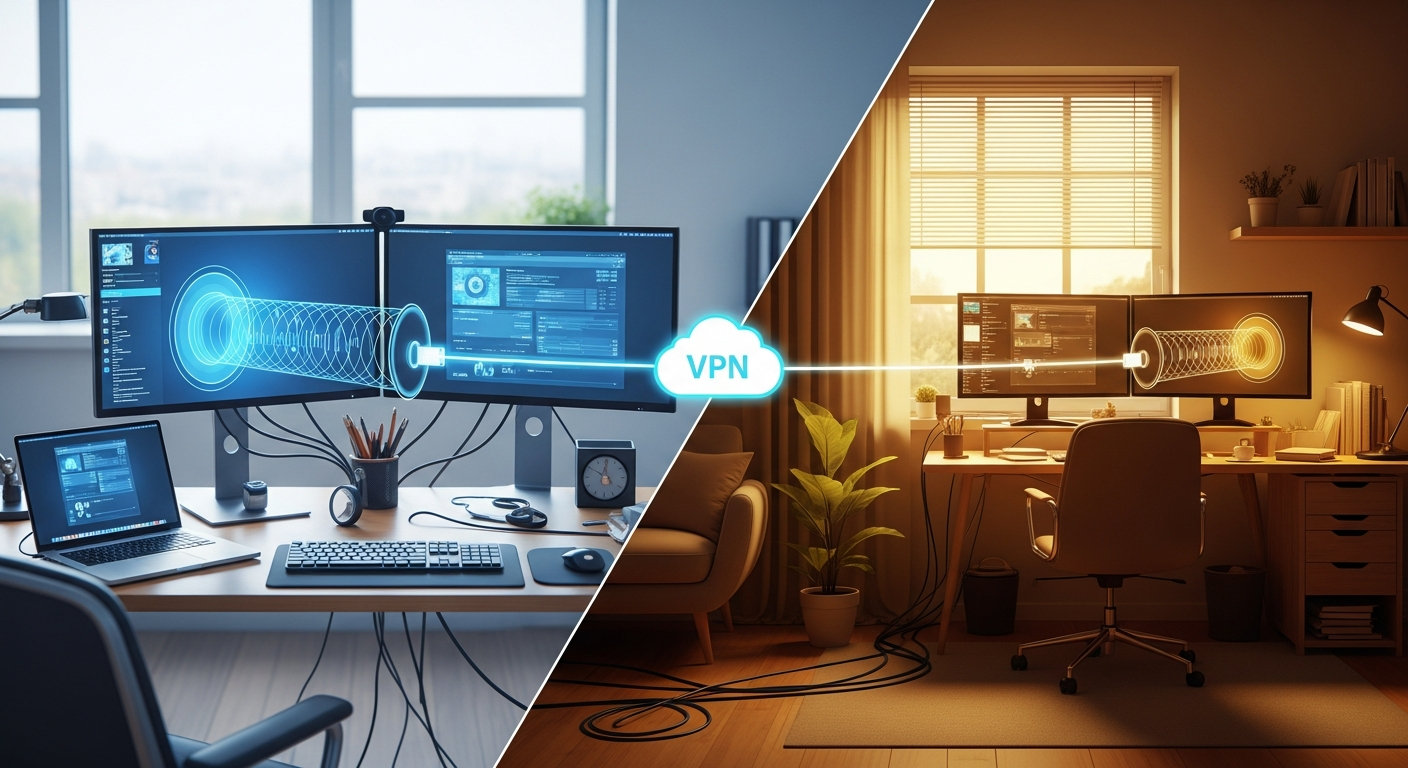
**Secure remote access.** Hybrid and remote work is standard in legal practice now. Your IT infrastructure should support secure remote access to case files, practice management systems, and internal resources. This means properly configured VPNs or zero-trust network access, not just "use your home WiFi and hope for the best."
**Reliable, tested backup and recovery.** Losing case files is not just an inconvenience. It can be catastrophic. Your backup system should create multiple copies of all firm data, store them in geographically separate locations, and be tested regularly. Your IT provider should be able to tell you exactly how long it would take to restore your systems after a complete failure.
**Endpoint management and security.** Every laptop, tablet, and phone that accesses firm data is a potential vulnerability. Your IT support should manage these devices with mobile device management (MDM) software, enforce security policies, and have the ability to remotely wipe a lost or stolen device.
**Help desk support that respects your time.** Attorneys bill by the hour. Every minute spent waiting for IT help is revenue lost. Your IT support should provide responsive help desk service with clear escalation paths. Response times should be measured in minutes for critical issues, not hours or days.
What "Proactive" IT Support Actually Means
You have probably heard IT companies talk about being "proactive." Here is what that should actually look like in practice:
Your IT provider should be monitoring your systems 24/7 and catching problems before you notice them. They should be applying security patches and software updates on a regular schedule, not waiting until something breaks. They should be conducting periodic security assessments and presenting findings to your firm's leadership. They should be reviewing your technology spending and making recommendations for optimization. And they should be staying current on legal technology trends and bringing relevant opportunities to your attention.
If your current IT provider only shows up when something is broken, you have a reactive relationship. That is the most expensive kind of IT support because you are paying for downtime, data loss, and emergency fixes instead of prevention.
Evaluating Your Current IT Situation
Ask yourself these questions about your firm's current IT setup:
Can every attorney access what they need from any location securely? If remote access is clunky, unreliable, or insecure, you have a problem that directly impacts productivity and potentially client confidentiality.
Do you know where all your client data is stored and who has access to it? If you cannot answer this question with confidence, your data governance needs attention. This is not just a technology issue. It is an ethical obligation.
When was your last security assessment? If you have never had one, or it has been more than a year, you are overdue. The threat landscape changes constantly, and your defenses need to keep pace.
Is your technology helping or hindering your team? If attorneys are working around technology problems rather than through them, your systems are costing you more than the price tag suggests. Lost productivity, frustrated staff, and delayed client service all have real costs.
For a broader perspective on building the right technology foundation, see our guide to IT Management for Professional Firms.
Finding the Right IT Partner
The right IT support partner for a law firm should have demonstrable experience with legal practices. They should understand legal-specific software platforms like Clio, MyCase, PracticePanther, NetDocuments, and iManage. They should be familiar with legal ethics requirements related to technology. And they should be able to provide references from other law firms.
Size matters when choosing an IT partner. A one-person operation may not have the depth to support your firm during a crisis. A massive IT company may not give your firm the attention it deserves. Look for a partner whose scale matches yours and who treats your firm as a priority client.
If you are thinking about how to structure your technology foundation from scratch, How to Build a Technology Stack for Professional Services walks through that process in detail. And if your firm operates across multiple locations, The Best Office IT Setup for Secure Hybrid Work addresses the specific challenges of distributed operations.
Moving Forward
Modern law practice demands modern IT support. The firms that invest in reliable, secure, well-managed technology infrastructure are better positioned to serve clients, attract talent, and grow. The firms that treat IT as an afterthought are accumulating risk with every passing month.
Take an honest look at where your firm stands today. Identify the gaps between what you have and what you need. And find a partner who understands that IT support for a law firm is not just about keeping the lights on. It is about protecting your clients, your reputation, and your ability to practice effectively.